
Zygomatic Implants in Cheshire
If you have been told that dental implants are not possible because of severe bone loss in your upper jaw, zygomatic implants may change that answer entirely. A clinically advanced solution for patients who have run out of options elsewhere.
- 99.5% Implant Success Rate
- MSc Implant Dentistry, University of Manchester
- Clinics in Wilmslow and Northwich
- Free Consultation Available
- Service
You May Have Been Told No. That Does Not Mean the Answer Is No.
For patients with severe bone loss in the upper jaw, the conventional implant conversation often ends the same way. There is not enough bone. Implants are not possible. The options are bone grafting, which may take a year or more, or continuing to manage with dentures indefinitely.
Zygomatic implants exist for exactly this situation. They are a clinically advanced technique that bypasses the need for adequate upper jaw bone entirely by anchoring the implants into the cheekbone, known as the zygoma, instead. The cheekbone is dense, stable, and virtually unaffected by the bone resorption that renders conventional upper jaw implants impossible in some cases.
This is not a compromise solution. Zygomatic implants provide the same fixed, permanent result as conventional full arch implants. The experience of living with them is identical. The difference is entirely in how they are anchored, and in the significantly higher level of surgical expertise required to place them safely and accurately.
Dr Nikhil Oberai holds an MSc in Implant Dentistry from the University of Manchester, carries a 99.5% success rate across hundreds of cases, and has the training and experience to assess and carry out zygomatic implant treatment at both Heritage Smile Group practices in Cheshire. If you have been turned away elsewhere because of bone loss, a consultation with Dr Nik is the right next step before you accept that answer permanently.
How Zygomatic Implants Work
To understand zygomatic implants, it helps to first understand why conventional implants are not always possible in the upper jaw.
When teeth are lost, the jawbone that once supported them begins to resorb because it is no longer receiving stimulation from tooth roots. In the upper jaw this process can be accelerated by the proximity of the sinus cavities, which can expand downward into the space left by bone loss. Over time, some patients lose so much upper jaw bone that there is simply not enough volume or density to place a conventional implant securely.
The traditional solution has been bone grafting, where bone material is added to the jaw to rebuild the site before implants can be placed. While this works well in many cases, it adds significant time to the treatment journey and is not always straightforward.
Zygomatic implants take a completely different approach. Rather than trying to rebuild the depleted jawbone, they bypass it altogether. The implants are longer than conventional implants and are angled so that they pass through the upper jaw and anchor into the cheekbone above. The cheekbone is not affected by the bone loss that occurs in the jaw, making it a stable, reliable anchor point even in patients with severe upper jaw bone deficiency.
The result is a full set of fixed upper teeth supported by anchors in the cheekbones, achieved without the need for extensive bone grafting and without the extended timeline that bone grafting adds to treatment.
Zygomatic Implants Are Designed for Patients Who Have
- Severe bone loss in the upper jaw
The primary indication for zygomatic implants is significant bone deficiency in the upper jaw that makes conventional implant placement impossible or unreliable. This can occur as a result of long-term tooth loss, extended denture wearing, previous failed implants, or certain medical conditions. If you have been told your upper jaw bone is insufficient for conventional implants, zygomatic implants may be the solution.
- Been turned down for conventional implants elsewhere
Many patients who are referred to or find Heritage Smile Group for zygomatic assessment have already been told at one or more other practices that implants are not possible for them. Dr Nik will carry out a thorough independent assessment and give you an honest picture of whether zygomatic implants are appropriate for your situation.
- Experienced sinus-related complications with the upper jaw
The maxillary sinuses sit directly above the upper jaw and in patients with bone loss they can expand significantly into the space where implants would normally be placed. Zygomatic implants anchor above and beyond the sinus, making sinus proximity far less of a limiting factor than it would be for conventional upper jaw implants.
- Been wearing upper dentures for many years
Long-term upper denture wearing is one of the most common contributors to the severe bone loss that makes zygomatic implants necessary. Patients who have worn an upper denture for many years and want to move to a fixed solution but have been told bone loss is too significant to allow conventional implants are often well suited to zygomatic assessment.
- Undergone previous failed implants in the upper jaw
Where conventional implants have failed, the bone at the failed sites is typically further compromised. Zygomatic implants anchor beyond these sites into the cheekbone, offering a route to fixed upper teeth that does not rely on the previously failed areas at all.
Zygomatic Implants Compared to Bone Grafting and Conventional Implants
For patients with severe upper jaw bone loss, the traditional pathway has been bone grafting followed by conventional implants. Zygomatic implants offer an alternative that is worth understanding clearly before making any decisions.
Zygomatic Implants | Bone Grafting with Conventional Implants | |
Additional bone needed | No | Yes, grafting required first |
Treatment timeline | Significantly shorter | Extended by 6 to 12 months or more |
Number of surgical procedures | Fewer | More |
Suitable for severe bone loss | Yes | Depends on extent of loss |
Fixed teeth possible | Yes, on the same day in many cases | Yes, after full healing |
Clinical complexity | High, requires advanced training | Moderate to high |
Long-term result | Same as conventional full arch implants | Same as conventional full arch implants |
The right choice between these pathways depends entirely on the individual case. Dr Nik will assess your bone volume, sinus anatomy, and overall clinical situation thoroughly and recommend the approach that is most appropriate for you specifically.
Not Sure Which Treatment Is Right for You?
Make an Enquiry
#SmileWall
- What to Expect
What Zygomatic Implant Treatment Involves at Heritage Smile Group
Free Consultation
Your journey begins with a free consultation with Dr Nik. He will carry out a thorough clinical assessment including x-rays and, where appropriate, 3D CBCT imaging to evaluate your upper jaw bone volume, sinus anatomy, and cheekbone structure. He will give you a clear and honest picture of whether zygomatic implants are appropriate for your case and what the process will involve. There is no obligation to proceed.
Treatment Planning
Zygomatic implant placement requires precise pre-surgical planning. Dr Nik uses 3D imaging and digital planning tools to determine the exact trajectory, length, and positioning of each zygomatic implant before the day of surgery. This level of preparation is what allows the procedure to be carried out safely and accurately.
Implant Placement
The zygomatic implants are placed under local anaesthetic, with sedation available for patients who would find this more comfortable. The implants are longer than conventional implants and are placed at a carefully planned angle so they pass through the upper jaw and anchor securely into the cheekbone. In many cases a temporary fixed bridge is placed on the same day so you leave the practice with a full set of upper teeth.
Healing and Review
Following surgery, regular review appointments allow Dr Nik to monitor healing and integration. The healing process following zygomatic implant placement is similar to that of conventional implants, with the integration period typically spanning three to four months.
Final Restoration
Once integration is confirmed, your final permanent prosthesis is designed, manufactured, and fitted. Dr Nik checks the fit, bite, and appearance carefully before the final teeth are secured in place. The treatment is complete.
Long-Term Care
Your zygomatic implant supported teeth are brushed like natural teeth, maintained with regular hygiene appointments, and checked at routine review appointments with Dr Nik. With proper care the implants are designed to be a permanent, lifelong solution.
- Meet Your Clinician
Zygomatic Implants Require the Right Level of Experience
Zygomatic implant placement is a surgical procedure that requires a significantly higher level of training and experience than conventional implant placement. The anatomy involved is more complex, the planning must be more precise, and the procedure itself demands a clinician who has invested seriously in this specific area of implant dentistry.
Dr Nikhil Oberai holds an MSc in Implant Dentistry from the University of Manchester, carries a 99.5% success rate across hundreds of cases, and teaches implant dentistry at postgraduate level as an Honorary Clinical Teaching Fellow at the University of Manchester. He is a Key Opinion Leader for Osstem UK and a referral clinician for complex implant cases across Cheshire and the North West.
When other dental practices encounter a patient with severe bone loss who needs an advanced implant solution, Dr Nik is the clinician they refer to. For patients considering zygomatic implants, his level of experience in this area is directly relevant to the safety, accuracy, and outcome of the procedure.
- Patient Testimonial
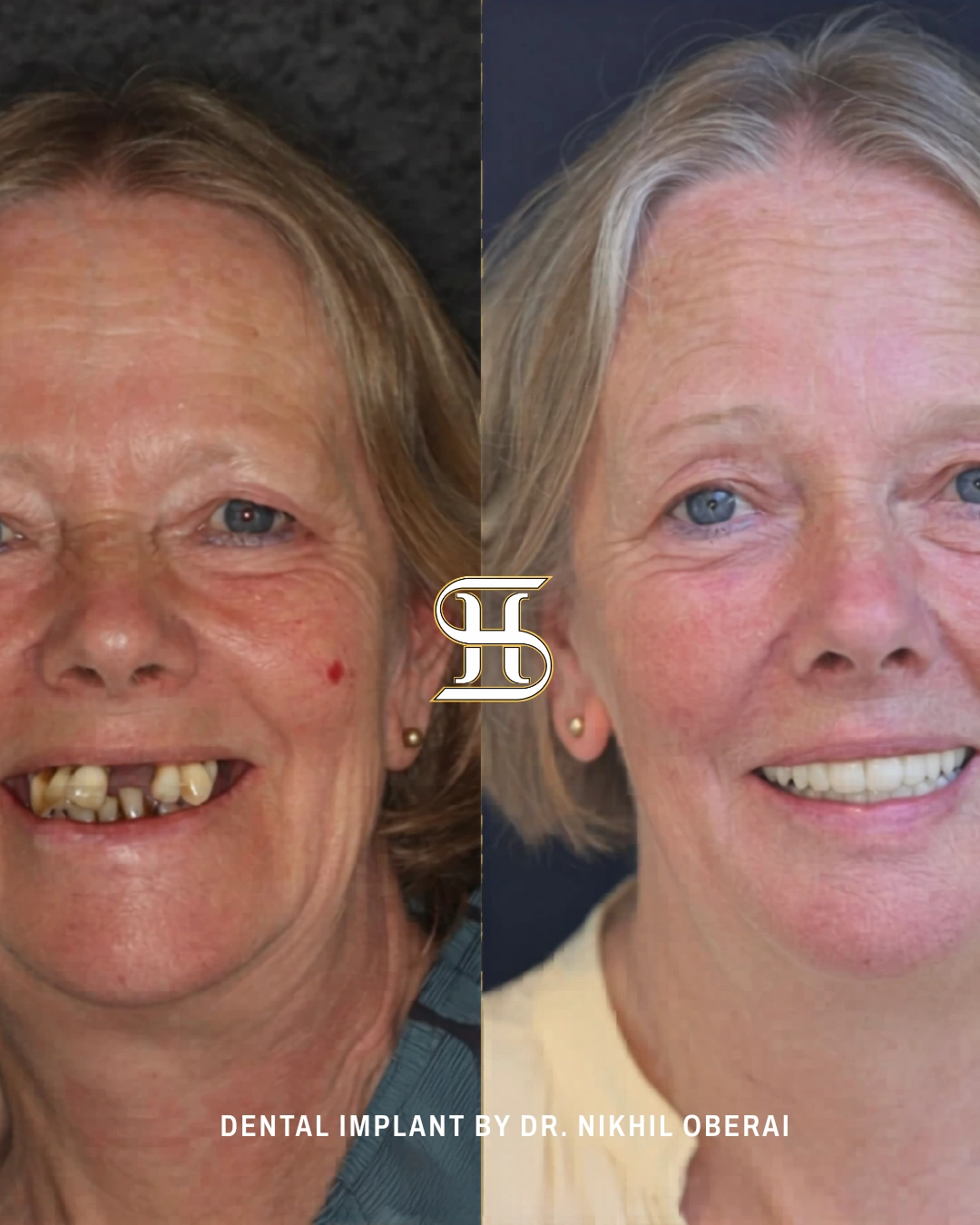
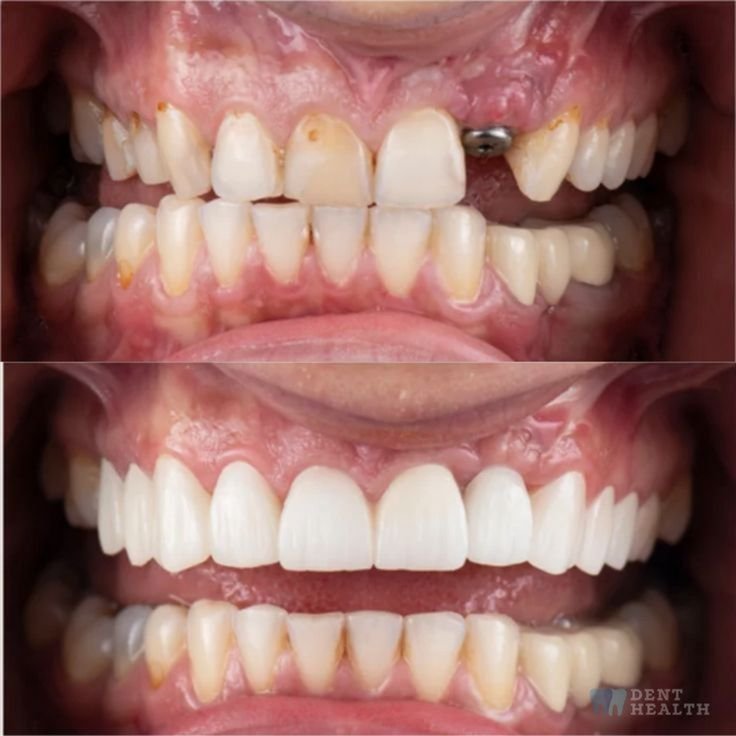
Patients Who Were Told No, and Found a Different Answer
“After two failed conventional implants elsewhere I was genuinely sceptical about trying again. Dr Nik explained everything clearly, took the time to understand exactly what had gone wrong previously, and planned the zygomatic treatment meticulously. I wish I had found him years ago.”
- Patient, Knutsford
- Dental Finance
Spreading the Cost of Full Arch Implants (Remove)
We understand that full arch implant treatment represents a significant investment. We offer flexible finance options across all packages so that the cost can be spread over monthly payments that suit your budget.
At your free consultation, we will provide you with a clear, itemised treatment plan and walk you through all of the finance options available to you. There is no obligation to proceed and no pressure to decide on the day.
- Register with us
Register with Heritage Smile Group. 2 Locations Across Cheshire
We are actively welcoming new patients at both Heritage Smile Group practices in Cheshire. Whether you are new to the area and need to register with a dentist, looking for a higher standard of care than you have been receiving, or have a specific treatment in mind that your current practice does not offer, we would be genuinely glad to welcome you.
When you join us as a new patient, here is what you can expect:
- Full new patient examination including x-rays
- Written treatment plan with itemised costs
- No pressure to commit on the day
- Examination fee waived if you join our practice plan
- Free consultations for implants and Invisalign
Both practices welcome adults and children, new arrivals to the area, and patients who simply want a reliable local dentist they can trust.
- Frequently Asked Questions
Confused? Let us help
What is the success rate for zygomatic implants?
Zygomatic implants have a well-established track record in the clinical literature with high long-term survival rates, particularly in experienced hands. Dr Nikhil Oberai carries a 99.5% success rate across his implant cases and will give you an honest assessment of the expected outcome for your individual situation at your consultation.
Is the zygomatic procedure more painful than conventional implants?
The procedure is carried out under local anaesthetic and sedation is available for patients who would prefer it. The surgery is more involved than a conventional implant placement, and the recovery period may involve slightly more post-operative discomfort. Most patients manage this comfortably with prescribed pain relief and report that the experience was more manageable than they anticipated. Dr Nik will prepare you thoroughly for what to expect before the procedure.
How long does zygomatic implant treatment take from start to finish?
From your initial consultation to your final teeth being fitted, treatment typically spans four to six months. This is significantly shorter than the alternative of bone grafting followed by conventional implants, which can add six to twelve months or more to the overall timeline. The planning stage prior to surgery typically takes several weeks, during which 3D imaging and treatment planning are completed.
Can zygomatic implants be combined with conventional implants?
Yes. In some cases a combination approach is used where zygomatic implants anchor the posterior sections of the upper arch and conventional implants, where sufficient bone exists at the front of the jaw, support the anterior section. This combination approach is sometimes called a hybrid or combination arch. Dr Nik will determine the most appropriate configuration for your individual anatomy during the planning stage.
Are zygomatic implants available at both Heritage Smile Group practices?
Zygomatic implant consultations and treatment are available through Heritage Smile Group with Dr Nikhil Oberai. Please call either practice to discuss your situation and arrange an assessment appointment.
Will I have teeth during treatment?
In most cases, yes. A temporary fixed bridge is placed on the same day as the zygomatic implant surgery so you leave the practice with upper teeth in place. The final permanent prosthesis is fitted at the end of the integration period, typically three to four months later.