
Dentures in Cheshire
Well-made, well-fitted dentures that look natural, feel comfortable, and restore your confidence. Full and partial dentures available at both our Wilmslow and Northwich practices.
- Full and Partial Dentures Available
- Implant Stabilisation Options
- Experienced Clinical Team
- Clinics in Wilmslow and Northwich
- Service
Modern Dentures Are a Long Way From What You Might Expect
The dentures most people picture when they hear the word are the ill-fitting, obviously artificial appliances of a previous generation. Teeth that slip, clack, and never quite feel secure. That image has stuck around in the public consciousness long after the reality moved on.
Well-made modern dentures are significantly better. They are designed to fit more precisely, look more natural, and function more comfortably than older versions of the appliance. The right denture, made by a skilled clinician working with a quality dental laboratory, can restore a full smile, allow you to eat with confidence, and be virtually undetectable to anyone who does not know you are wearing them.
At Heritage Smile Group, every denture is custom-made for the individual patient through a carefully managed clinical process. We take the time to get the impressions right, the bite right, and the appearance right before a single tooth is set in the final material. Our try-in appointment ensures you can see and assess the result before anything is finalised.
If your current dentures are uncomfortable, poorly fitting, or simply not looking or working as well as they should, we offer second opinion consultations for patients who have had dentures made elsewhere. In many cases a well-fitting new denture can make a significant difference where a previous one has let you down.
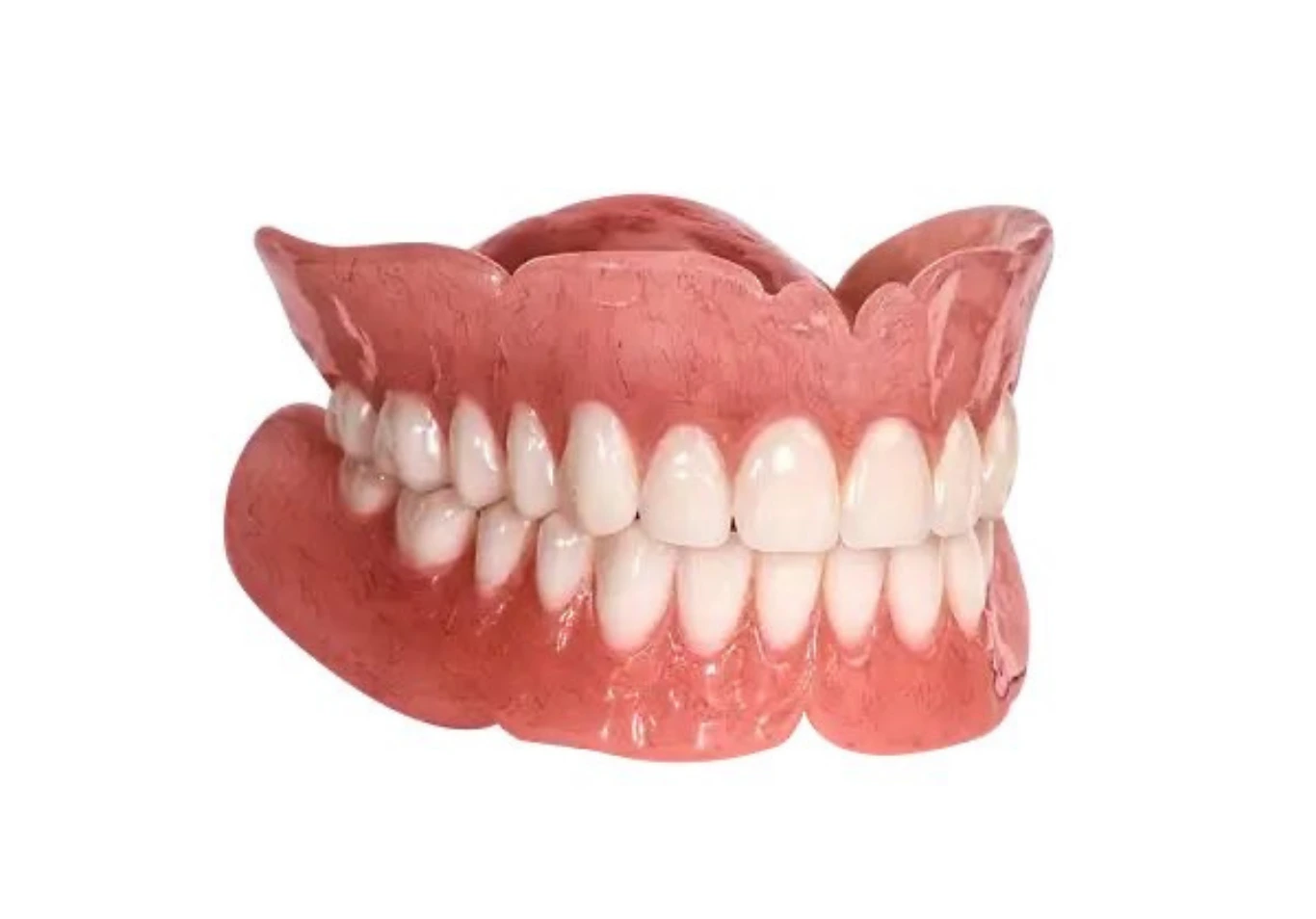
The Dentures Available at Heritage Smile Group
- Complete Dentures: A full set of teeth for patients who have lost all their natural teeth in one or both arches.
Complete dentures replace all the teeth in either the upper arch, the lower arch, or both. They are made from an acrylic base that is designed to fit against the gum tissue as closely as possible, with artificial teeth set into the base to replicate the appearance and function of natural teeth.
Upper complete dentures typically achieve better retention than lower ones because the palatal coverage creates suction against the roof of the mouth. Lower complete dentures rely more on the shape of the gum ridges and the natural movements of the tongue and cheeks to stay in position, which is why lower dentures can feel less stable and why many patients consider implant stabilisation specifically for the lower arch.
Complete dentures take time to adjust to. Eating and speaking feel different initially and most patients find a period of adaptation is needed before the dentures feel natural. The clinician will advise on how to manage this adjustment period and what to do if specific areas are causing discomfort.
- Partial Dentures: Replace one or more missing teeth while the remaining natural teeth are still present.
Partial dentures are used when some natural teeth remain. They fill the gaps left by missing teeth and are held in place by clasps that grip the remaining natural teeth. Metal-framed partial dentures are stronger and thinner than acrylic ones and are often more comfortable to wear as a result. Acrylic partial dentures are generally more affordable but can be bulkier.
Partial dentures serve both a cosmetic and a functional purpose, filling gaps that would otherwise be visible and helping to distribute the load of chewing more evenly across the remaining teeth. They also prevent the remaining natural teeth from drifting into the gaps over time.
Where natural teeth are being used to support a partial denture, the health of those teeth matters. The clinician will assess the condition of the supporting teeth carefully before designing a partial denture and will advise if any of them need treatment before the denture is made.
- Immediate Dentures: A denture fitted on the same day as teeth are extracted.
For patients who need teeth removed and want to avoid a period without any teeth, immediate dentures are made in advance and fitted immediately after the extractions are carried out. This means the patient leaves the practice with teeth in place rather than a gap.
Immediate dentures require adjustment and often relining after the initial healing period because the gum and bone change shape as they heal following extractions. Patients who have immediate dentures should expect to return for adjustments, and in some cases a new definitive denture is made once healing is complete and the tissues have settled into their final shape.
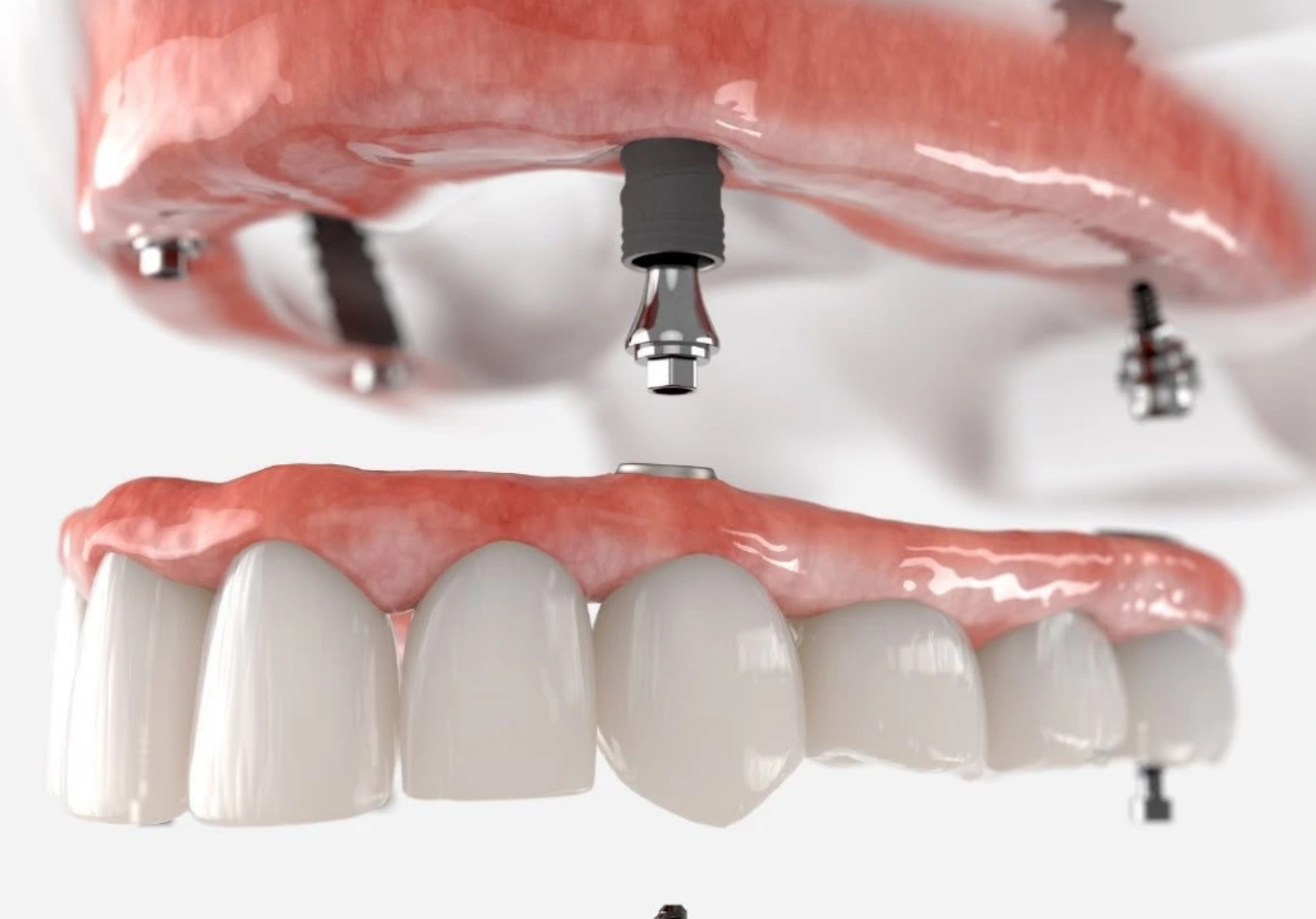
Considering Implant-Retained Dentures?
Not Sure Which Treatment Is Right for You?
Make an Enquiry
#SmileWall
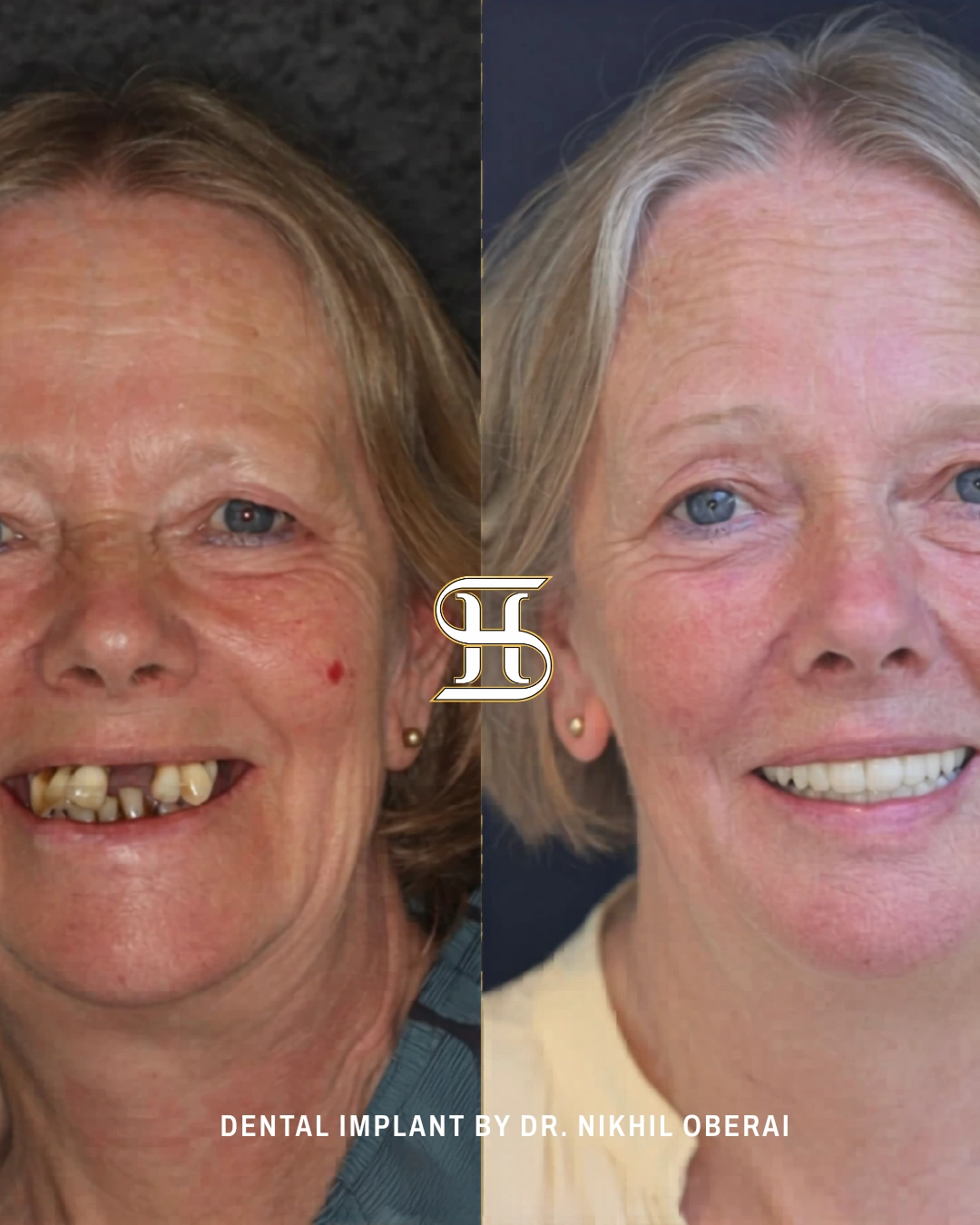
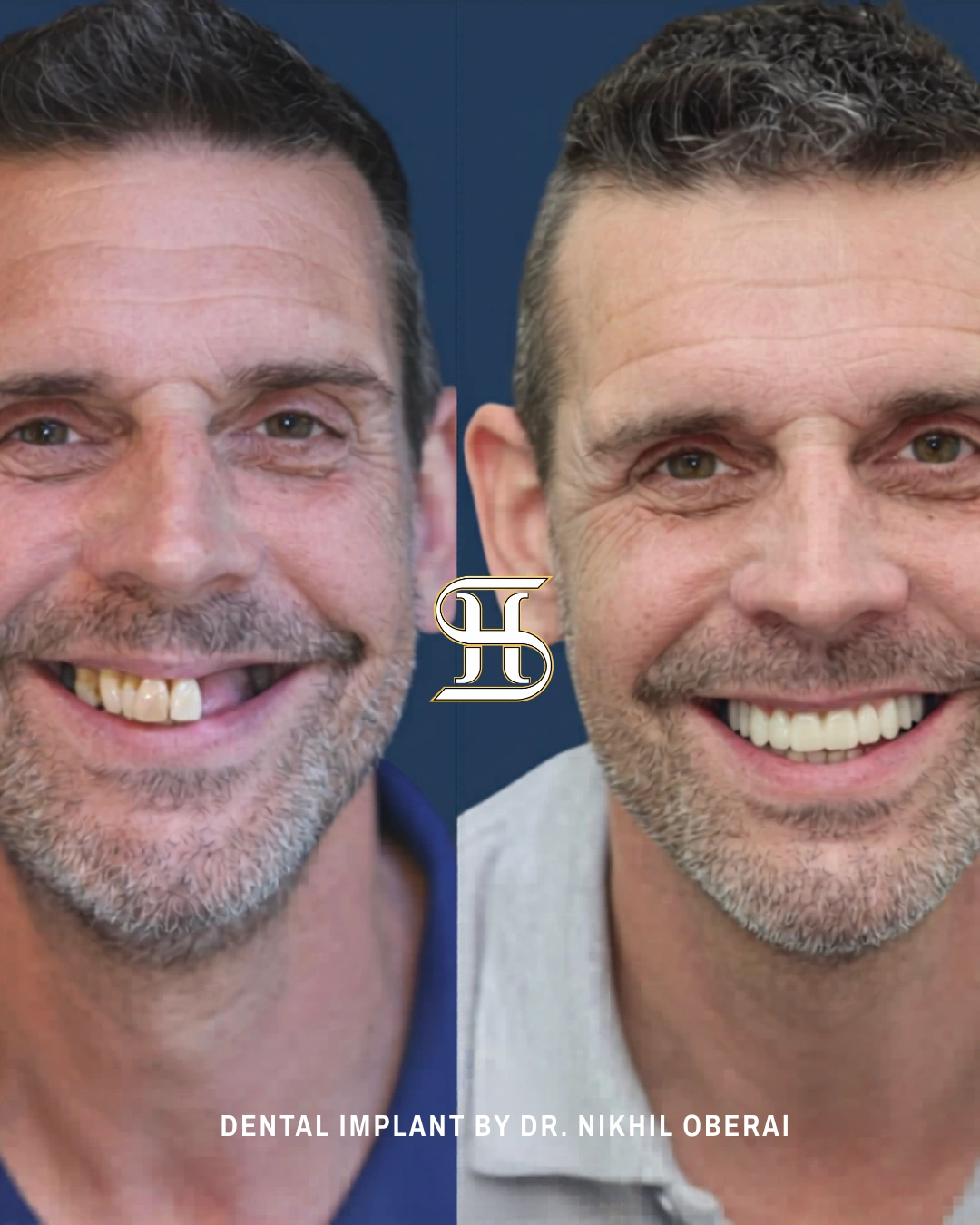
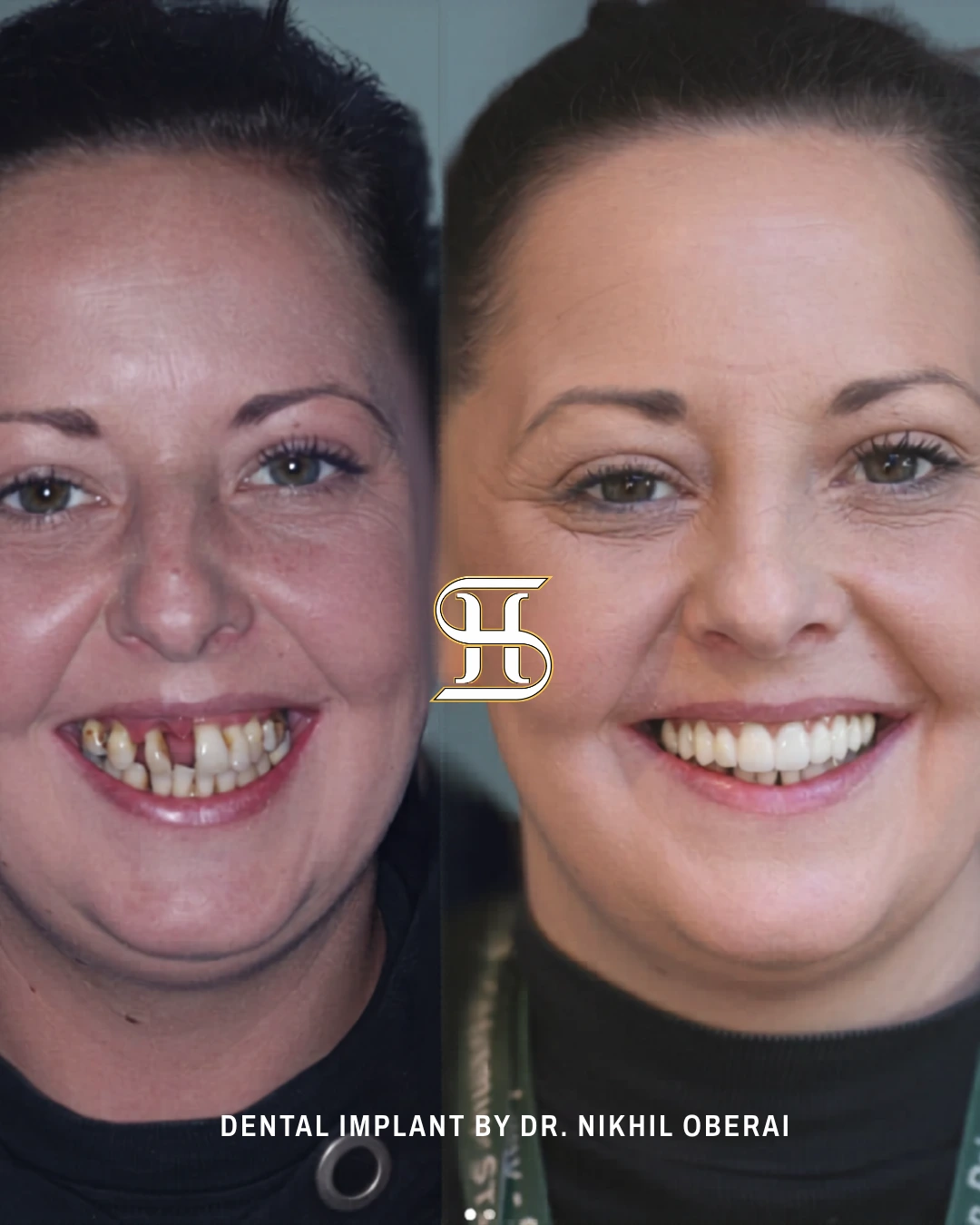
- What to Expect
How to Look After Your Dentures
Proper denture care keeps them looking good, extends their lifespan, and protects the health of the gum tissue beneath them.
Cleaning your dentures
Remove and clean your dentures after every meal where possible, or at least twice daily. Use a soft denture brush and a denture cleaning solution or mild soap. Never use regular toothpaste on dentures as it is too abrasive and will scratch the surface. Rinse thoroughly before reinserting.
Soaking overnight
Most dentures should be kept moist when not being worn to prevent them from drying out and warping. Soak them overnight in a denture cleaning solution or plain cold water. Never use hot water as it can warp the acrylic. Follow the specific guidance provided by the clinician for your denture type.
Handling with care
Dentures can break if dropped on a hard surface. When cleaning or handling them, do so over a folded towel or a sink partially filled with water to cushion any accidental drop.
Oral hygiene without teeth
Even without natural teeth, the gum tissue, palate, and tongue should be cleaned daily with a soft brush or cloth. This removes bacterial plaque from the soft tissues and stimulates circulation in the gum tissue beneath the denture.
Regular dental visits
Denture wearers should still attend regular check-up appointments even if they have no natural teeth remaining. The clinician monitors the fit of the denture, the health of the gum tissue, and carries out an oral cancer screen at every visit. Dentures that no longer fit properly can cause gum soreness and accelerate bone loss beneath the denture base.
- When to Seek Help
Signs That Your Dentures Need Professional Attention
Dentures do not fit forever. Bone and gum tissue change shape over time, and a denture that felt secure when first fitted will gradually become less stable. Knowing when to come back in is as important as caring for your dentures at home.
Book an appointment if:
- Your denture feels loose or moves more than it used to during eating or speaking
- You have a sore spot or area of persistent discomfort beneath the denture
- Your denture has cracked, chipped, or a tooth has come loose
- You have noticed a change in your bite or the way your face looks when wearing the denture
- You are using adhesive regularly just to keep the denture in place
- Your denture has not been professionally checked in more than twelve months
What we can do:
Reline – A new layer of material is added to the fitting surface to restore the contact with your gum tissue. More cost-effective than a new denture and often significantly improves comfort and stability.
Repair – Most cracked or broken dentures can be repaired quickly and affordably. Contact us as soon as possible and avoid using household adhesives as these can make a proper repair more difficult.
Replace – Where relining or repair is not sufficient, the clinician will advise honestly on whether a new denture is the better long-term investment.
Having problems with an existing denture? Book an appointment and we will assess it properly, with no obligation to proceed until you know exactly what is needed and what it will cost.
- Patient Testimonial
What Our Denture Patients Say
“I had dentures made elsewhere that never felt right. I came to Heritage Smile Group for a second opinion and the clinician took the time to understand what was wrong and make a new set that fitted properly. The difference is remarkable. I eat foods I had given up on and I feel much more confident in social situations.”
- Dental Finance
Spreading the Cost of Your Denture Treatment
Dentures are one of the most accessible tooth replacement options available at Heritage Smile Group, and for most patients the cost is straightforward to manage. Every patient receives a written cost breakdown before any treatment begins, with no hidden extras and no surprises.
For patients who are exploring implant-retained dentures, the implant element of the treatment can be spread over monthly payments through Tabeo Finance Ltd. Finance is subject to status. The team will walk you through all available options at your consultation with no pressure to decide on the day
- Register with us
Register with Heritage Smile Group. 2 Locations Across Cheshire
We are actively welcoming new patients at both Heritage Smile Group practices in Cheshire. Whether you are new to the area and need to register with a dentist, looking for a higher standard of care than you have been receiving, or have a specific treatment in mind that your current practice does not offer, we would be genuinely glad to welcome you.
When you join us as a new patient, here is what you can expect:
- Full new patient examination including x-rays
- Written treatment plan with itemised costs
- No pressure to commit on the day
- Examination fee waived if you join our practice plan
- Free consultations for implants and Invisalign
Both practices welcome adults and children, new arrivals to the area, and patients who simply want a reliable local dentist they can trust.
- Frequently Asked Questions
Questions Patients Ask About Dentures
How long does it take to get used to wearing dentures?
Most patients find that adjusting to new dentures takes several weeks. Speaking and eating feel different initially and many patients notice excess saliva production in the first few days. These effects reduce as the mouth adapts. Most patients find that by six to eight weeks the dentures feel significantly more natural, though the full adjustment period can be longer for complete dentures. Follow-up appointments to adjust any areas of discomfort are an important part of this process.
Can I sleep with my dentures in?
Most clinicians recommend removing dentures at night to allow the gum tissue to rest and recover from the pressure of wearing them during the day. Wearing dentures continuously without a break can accelerate bone resorption beneath the denture and increase the risk of gum soreness and infection. The clinician will give specific guidance based on your denture type.
How often should I have my dentures checked?
Denture wearers should attend regular check-up appointments at least once a year even if they have no remaining natural teeth. The clinician monitors the fit of the denture, the health of the oral tissues, and carries out an oral cancer screen. Dentures that are not fitting as well as they once did can usually be relined or adjusted rather than replaced entirely.
How long do dentures last?
With proper care, a well-made denture can last between five and ten years before replacement is needed. However, the fit will change over time as the underlying bone and gum tissue change shape, and relining or adjustments may be needed along the way. Poorly fitting dentures should always be assessed by the clinician rather than managed with adhesive long term.
Can dentures be repaired if they break?
Yes, in most cases. A cracked or broken denture can often be repaired and the repair is generally much more affordable than making a new denture. Contact the practice as soon as possible if your denture breaks and avoid trying to repair it yourself with household adhesives as this can make a proper repair more difficult.
What is the difference between a metal and an acrylic partial denture?
Metal-framed partial dentures use a thin cobalt chrome framework that is stronger, more precise fitting, and less bulky than acrylic alternatives. They tend to be more comfortable and longer lasting. Acrylic partial dentures are more affordable and can be easier to add teeth to if further natural teeth are lost in the future. The clinician will recommend the most appropriate type based on your individual situation.
Will people know I am wearing dentures?
Well-made modern dentures are designed to look natural and in most cases people will not know you are wearing them. The quality of the appearance depends on the skill of the clinician and the dental laboratory and the accuracy of the impressions. The try-in appointment is an important opportunity to assess and adjust the appearance before the final denture is made.
Can I use denture adhesive?
Denture adhesive can be useful in specific situations but should not be used as a long-term substitute for a well-fitting denture. If you are relying on adhesive regularly to keep your denture in place, this is a sign that the fit has changed and the denture needs to be assessed and possibly relined or remade. Regular use of excessive adhesive can also mask changes in fit that need clinical attention.