
Emergency Dentist in Cheshire
In pain or dealing with a dental emergency? Call us. We have two practices across Cheshire and we will do everything we can to see you as quickly as possible.
- Two Practices Across Cheshire
- Wilmslow and Northwich Locations
- Existing and New Patients Welcome
- Call for Same-Day Appointments
Dental Pain Does Not Wait. Neither Should You.
A dental emergency has a way of making everything else irrelevant. Whether it is a toothache that has kept you awake all night, a tooth that has broken unexpectedly, or a swelling that is getting worse rather than better, the experience is urgent, uncomfortable, and not something you can simply manage through without help.
The single most important thing to know if you are in that situation is this: call us.
Do not wait to see if it gets better. Do not try to manage it with over-the-counter pain relief indefinitely. Dental emergencies almost always get worse if left untreated, and many of the conditions that cause acute dental pain, particularly infections, can spread and become significantly more serious if not addressed promptly.
At Heritage Smile Group we have two practices across Cheshire, in Wilmslow and Northwich, and we will always do everything we can to see emergency patients as quickly as possible. We treat both existing patients and new patients in emergencies. If one practice cannot accommodate you immediately, we will check availability at the other. Please call rather than booking online for emergency appointments so we can assess your situation and prioritise your care appropriately.

What Counts as a Dental Emergency?
Not every dental concern requires same-day attention, but several situations do. Here is a guide to the types of dental emergencies we see and the appropriate level of urgency for each.
Severe Toothache
Toothache that is persistent, throbbing, or severe, that has kept you awake at night, or that is accompanied by swelling or fever is a sign of a significant infection or pulp involvement that needs prompt treatment.
Dental Abscess or Facial Swelling
A dental abscess is a collection of pus caused by bacterial infection that can develop at the root tip of a tooth or in the gum tissue. Signs include a swelling in the face or jaw, a raised, painful lump on the gum, significant pain, fever, and in some cases difficulty swallowing or opening the mouth.
Knocked-Out Tooth
If an adult tooth has been knocked out completely, there is a realistic chance it can be reimplanted if the following steps are taken quickly. Pick the tooth up by the crown, the white part, not the root. If it is dirty, rinse it briefly with milk or clean water without scrubbing the root. If possible, place it back in the socket and hold it gently in place. If this is not possible, store it in milk or between your cheek and gum to keep it moist. Call the practice immediately and come in as fast as possible. Time is the single most critical factor.
Broken, Chipped, or Cracked Tooth
A broken tooth that is causing significant pain, has exposed the nerve, or has produced sharp edges that are cutting the tongue or cheeks needs to be seen promptly.
Lost or Broken Filling or Crown
A lost filling or crown exposes the underlying tooth structure to temperature, pressure, and bacteria. If the tooth is sensitive or painful, or if the remaining tooth structure has sharp edges, it needs to be seen promptly.
Soft Tissue Injury
Cuts, tears, or lacerations to the lips, gum tissue, tongue, or cheeks caused by trauma should be assessed clinically. Apply gentle pressure with a clean cloth or gauze. If bleeding does not stop within 15 to 20 minutes with sustained pressure, seek emergency medical care.
How to Manage a Dental Emergency Before You Can Be Seen
Calling the practice is always the first step. While you are waiting for your appointment, here is how to manage the most common dental emergencies.
- For toothache
Over-the-counter pain relief such as ibuprofen or paracetamol taken as directed can help manage the pain temporarily. Ibuprofen has anti-inflammatory properties that often make it more effective for dental pain than paracetamol alone. Avoid placing aspirin directly on the gum or tooth as this can cause a chemical burn. Clove oil applied sparingly with a cotton bud to the affected area can provide short-term relief and is available in most pharmacies. Avoid very hot or cold food and drink which can aggravate the pain.
- For a knocked-out tooth
Handle by the crown only. Store in milk or saliva if it cannot be reimplanted immediately. Get to the practice as fast as possible. Time is the most critical factor.
- For a broken tooth with sharp edges
Dental wax or sugar-free chewing gum can be used temporarily to cover the sharp edge and protect the tongue and cheek until you are seen. Do not attempt to file or smooth the tooth yourself.
- For a lost filling or crown
Dental temporary filling material, available from pharmacies, can be used to temporarily cover the exposed area. A lost crown can sometimes be temporarily recemented with a small amount of dental adhesive available at pharmacies, though this is a short-term measure only. Call the practice and describe the situation so they can advise on the most appropriate interim step.
- For a dental abscess
Over-the-counter pain relief can manage the discomfort temporarily but does not treat the infection. Do not apply heat to the swelling. Rinsing with warm salty water can be soothing. Seek clinical attention as promptly as possible. If swelling is spreading rapidly, affecting your breathing or swallowing, or accompanied by a high fever, seek emergency medical care immediately.
Not Sure Which Treatment Is Right for You?
Make an Enquiry
#SmileWall
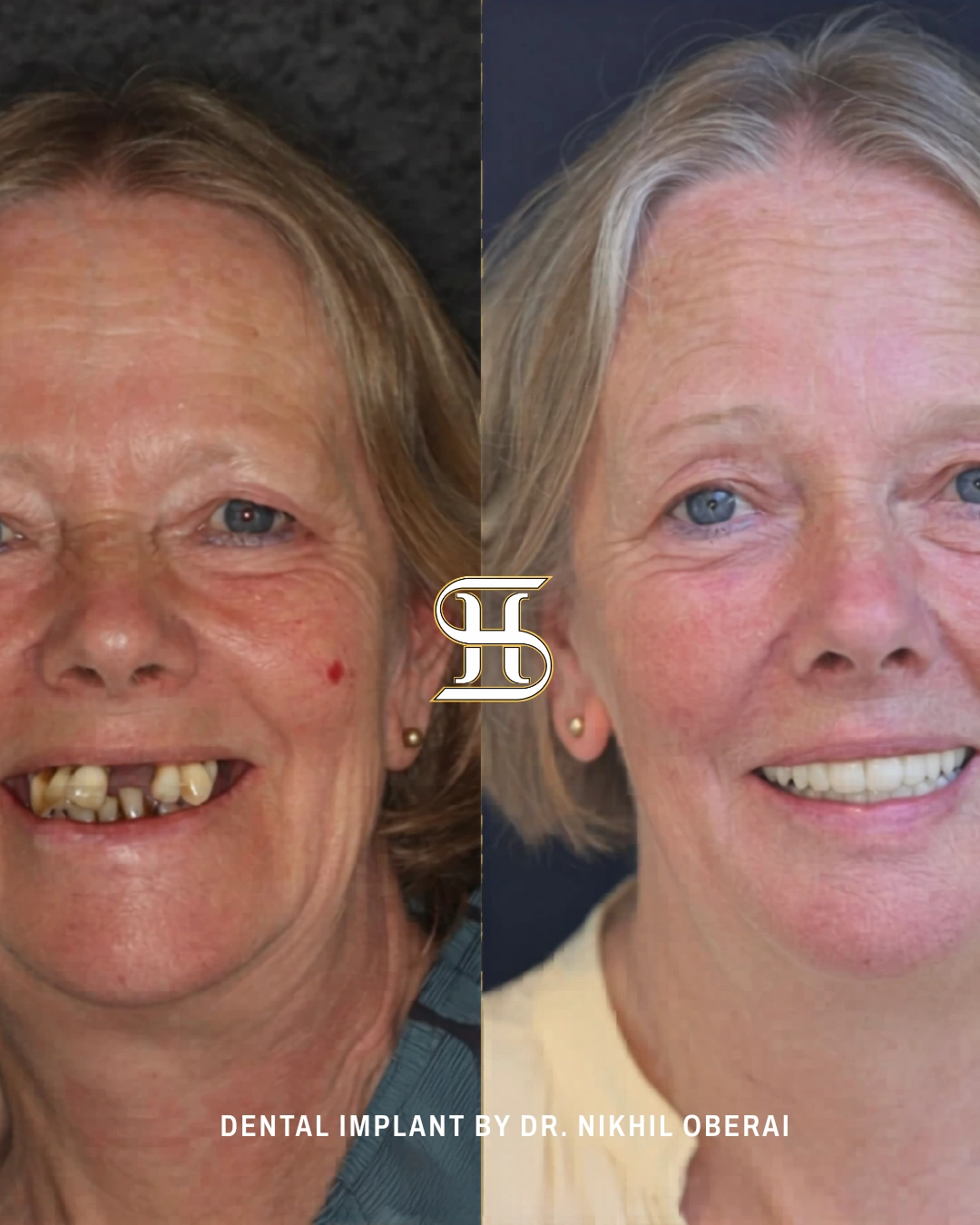

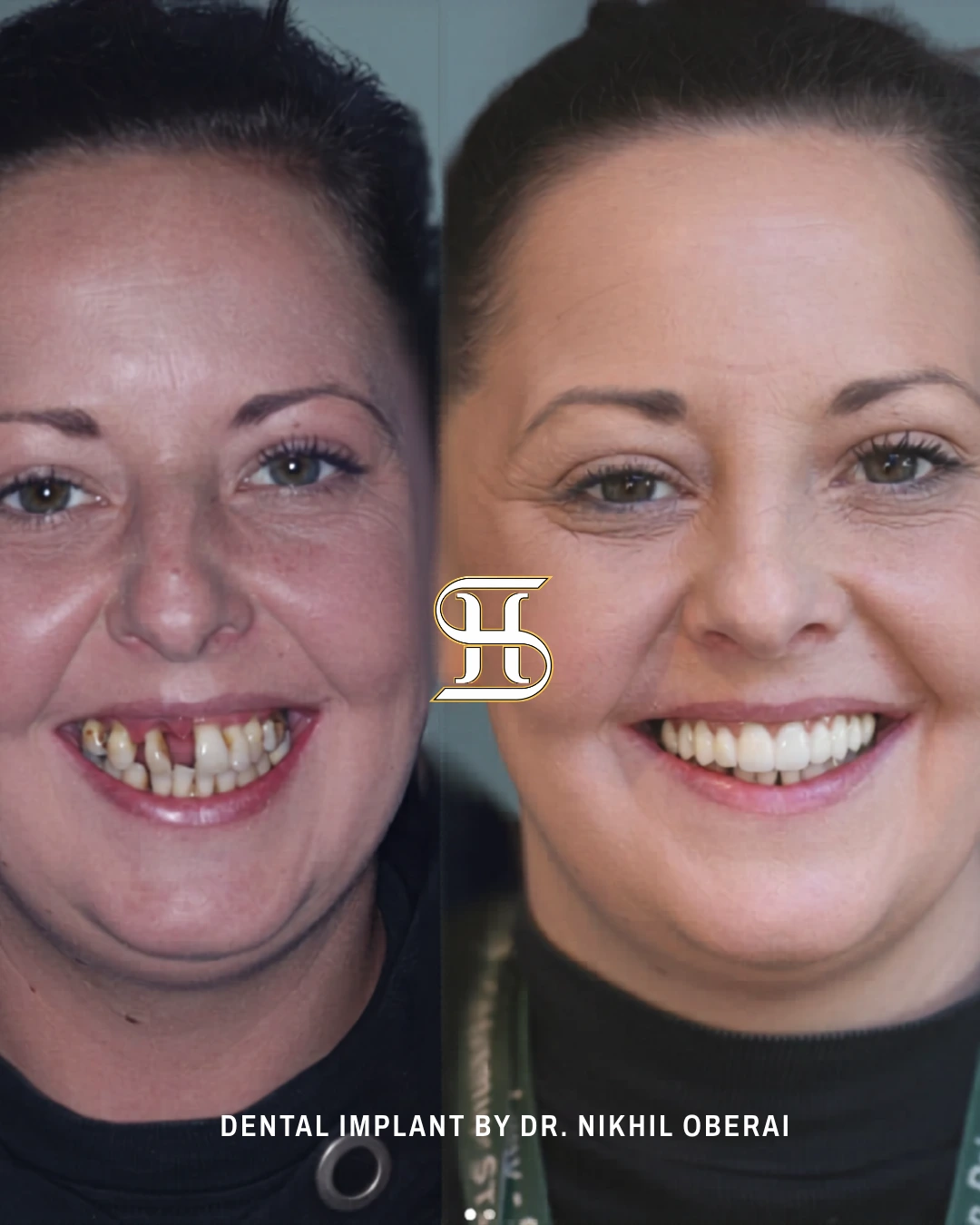
- What to Expect
What to Expect at a Dental Emergency Appointment
An emergency appointment at Heritage Smile Group is focused on doing the most important thing first: relieving your pain and addressing the immediate problem.
Assessment
The clinician examines the affected area, takes any necessary x-rays, and identifies the cause of the problem. You will receive a clear explanation of what they have found and what the options are.
Immediate Treatment
Where possible and appropriate, the clinician will carry out treatment at the emergency appointment to address the immediate problem. This might include opening and draining an abscess, placing a temporary filling, removing a tooth that cannot be saved, carrying out initial root canal treatment to relieve pressure on an infected pulp, or prescribing antibiotics where infection is present and clinical drainage is not immediately possible.
Pain Management
The clinician will ensure you leave the appointment with your pain managed. This may involve local anaesthetic during the appointment, a prescription for stronger pain relief where appropriate, or clear guidance on over-the-counter pain management that is appropriate for your situation.
Follow-Up Plan
Emergency appointments address the immediate problem. The longer-term treatment plan, whether that is a root canal and crown, an extraction and replacement discussion, or monitoring and review, is discussed at or following the emergency appointment. You will leave with a clear understanding of what comes next.
If Dental Anxiety Has Kept You Away Until Now
Dental emergencies have a way of bringing patients through the door who have avoided the dentist for years because of anxiety. If this is you, please tell us when you call. We will do everything we can to manage your appointment in a way that feels as comfortable and controlled as possible, even in an urgent situation.
We will explain everything before we do it. We will not rush you. We will give you a way to signal if you need a break at any point. And we will never make you feel judged about the gap or about the anxiety that caused it.
Many patients who come to us first as emergency patients go on to become regular patients here because their experience of being treated with care in a difficult moment changed their relationship with dental visits entirely. We would like that for every nervous patient who comes through our door in pain.
- Patient Testimonial
What Patients Say About Their Experience
Came here for a pretty urgent tooth removal that was delayed for years on the NHS. All of the staff were so lovely, and Dr Nikhil Oberai was very friendly and quick to examine and remove the problem tooth! SO effortless, that I’m bitter that it was left for so long by my normal dentist…
They even allowed me to do a short term payment plan, despite the overall cost being a bit lower than they’d normally offer one for. All of the necessary information was clear, and they double checked whether I had any questions/encouraged that they’re a call away if I had any. I’d switch to them for checkups if I had the financial means! Fully recommended.
- Hyacinth Hicks, Wilmslow
- Dental Finance
How Much Does a Dental Emergency Appointment Cost?
We know that cost is one of the first things on most patients’ minds when considering tooth removal, and we think that is a completely reasonable place to start. Treatment is a meaningful investment and you deserve to know what you are getting into before you commit to anything.
At Heritage Smile Group, every patient receives a written treatment plan with a full, itemised cost breakdown before any treatment begins. There are no hidden extras, no charges added after the fact, and no pressure to proceed before you are ready.
If your emergency appointment leads to a recommendation for further treatment such as a root canal, extraction and replacement, or implant treatment, finance options are available through Tabeo Finance Ltd to spread the cost. Finance is subject to status. The team will walk you through all options at your follow-up appointment.
Emergency appointment fees at Heritage Smile Group start from £50.00. For a full breakdown of all our treatment fees, visit our dedicated fees page.
- Register with us
Register with Heritage Smile Group. 2 Locations Across Cheshire
We are actively welcoming new patients at both Heritage Smile Group practices in Cheshire. Whether you are new to the area and need to register with a dentist, looking for a higher standard of care than you have been receiving, or have a specific treatment in mind that your current practice does not offer, we would be genuinely glad to welcome you.
When you join us as a new patient, here is what you can expect:
- Full new patient examination including x-rays
- Written treatment plan with itemised costs
- No pressure to commit on the day
- Examination fee waived if you join our practice plan
- Free consultations for implants and Invisalign
Both practices welcome adults and children, new arrivals to the area, and patients who simply want a reliable local dentist they can trust.
- Frequently Asked Questions
Questions People Ask About Emergency Dental Care
What should I do if I have a dental emergency outside of opening hours?
If you are in severe pain or have a dental emergency outside of practice hours, call NHS 111 for guidance on managing the situation until the practice opens. NHS 111 can advise on pain management, whether you need to seek emergency medical care, and in some cases direct you to an out-of-hours dental service in your area. If your emergency involves a facial swelling affecting your breathing or swallowing, call 999 or go to accident and emergency immediately.
Will I be seen on the same day if I call in the morning?
We do everything possible to see emergency patients on the same day they call. Whether this is achievable depends on the nature of the emergency, the severity of the situation, and the availability at the time you call. Please call as early in the day as possible and describe your situation clearly so the team can prioritise appropriately. If the practice you call cannot accommodate you that day, we will check availability at the other location.
Do I need to be a registered patient to be seen in an emergency?
No. We welcome new patients in emergencies and do not require prior registration before treating an urgent dental problem. When you call, let the team know you are a new patient and describe your situation so they can prepare for your visit.
What should I do with a tooth that has been knocked out?
Pick it up by the crown, not the root. If it is dirty, rinse briefly with milk or clean water without scrubbing the root. If possible, place it back in the socket and hold it there gently. If reimplantation is not possible, store the tooth in milk or in the space between your cheek and gum to keep it moist. Call the practice immediately and come in as fast as possible. Time is critical. Do not let the tooth dry out.
Can antibiotics alone treat a dental abscess?
Antibiotics can help to control the spread of a dental infection but they do not treat the underlying cause. A dental abscess requires clinical drainage, either through a root canal procedure or extraction of the affected tooth, to resolve fully. Without addressing the cause, the infection is likely to return even after a course of antibiotics. Antibiotics are often prescribed alongside clinical treatment but are not a substitute for it.
What if I cannot afford emergency dental treatment?
If cost is a concern, please mention this when you call. We will always explain costs clearly before treatment and discuss the options available to you. Emergency treatment to relieve pain and address an acute infection is always prioritised regardless of the longer-term treatment plan. Finance options are available for more extensive treatment that follows an emergency appointment.
Is dental emergency treatment painful?
Emergency treatment is carried out under local anaesthetic and should not be painful during the procedure. The goal of the emergency appointment is to relieve your pain, and most patients leave feeling significantly more comfortable than when they arrived. If you are nervous about the appointment, tell the team when you call and when you arrive, and we will manage the visit with that in mind throughout.