
Dental Fillings in Cheshire
Restore a decayed or damaged tooth with a natural-looking filling that blends in completely. Single-appointment treatment at both our Wilmslow and Northwich practices.
- Tooth-Coloured Composite Fillings
- Amalgam-Free Available
- Completed in a Single Appointment
- Clinics in Wilmslow and Northwich
What a Dental Filling Actually Does
Most people will need a filling at some point in their life. Tooth decay is the most common reason, but fillings are also used to repair a tooth that has cracked, chipped, or worn down over time. The procedure removes the damaged or decayed portion of the tooth and fills the space with a material that restores both the function and appearance of the tooth.
At Heritage Smile Group, we use tooth-coloured composite resin as our standard filling material. Unlike traditional silver amalgam fillings, composite resin is shaded to match your natural teeth so closely that the restoration is virtually undetectable. There are no dark shadows, no metal showing at the gumline, and no visual reminder every time you open your mouth.
For patients who have older amalgam fillings they would like replaced for aesthetic or personal reasons, we can discuss removal and replacement with composite at your consultation.

The Types of Filling We Offer
Composite Resin (Tooth-Coloured)
The material we use as standard for most fillings at Heritage Smile Group. Composite resin is a durable, tooth-coloured material that bonds directly to the tooth structure, requiring less removal of healthy tooth tissue than amalgam. It sets quickly, looks natural, and performs well in most areas of the mouth.
Glass Ionomer Cement
Used in specific clinical situations, particularly for fillings near the gumline or in areas that are difficult to keep completely dry. Glass ionomer cement releases fluoride into the surrounding tooth, offering a degree of ongoing protection against further decay. The material is more translucent than composite and is typically used where aesthetics are less critical.
Ceramic Inlays and Onlays
Where a cavity is too large for a conventional direct filling but does not require a full crown, a ceramic inlay or onlay may be the better option. These are custom-made restorations that fit precisely into or over the prepared tooth and are cemented in place at a second appointment. They offer excellent aesthetics and durability and are often the most conservative way to restore a heavily damaged back tooth.
What to Expect at Your Filling Appointment
- Examination and Diagnosis Before any filling is placed, the clinician will examine the affected tooth, review any relevant x-rays, and confirm the extent of the decay or damage. You will be told clearly what is needed and why before any treatment begins.
- Local Anaesthetic The area around the tooth is numbed with a local anaesthetic so the procedure is comfortable throughout. Most patients feel no more than a very slight pressure during treatment.
- Preparation The decayed or damaged portion of the tooth is removed using a dental handpiece. The cavity is cleaned thoroughly to ensure no decay remains before the filling material is placed.
- Placing the Filling For composite fillings, the resin is applied in layers and each layer is set using a curing light. Once the full depth of the filling is built up, the surface is shaped and polished to match the natural contour of the tooth.
- Checking the Bite Once the filling is complete, you will be asked to bite down so the clinician can check the height of the restoration is correct. Minor adjustments take only a moment and ensure the filling does not interfere with your bite.
- Aftercare Some sensitivity around the filled tooth is normal for a few days after the procedure, particularly with composite fillings. This settles on its own. If discomfort persists or worsens after a week, contact the practice.
Not Sure Which Treatment Is Right for You?
Make an Enquiry
#SmileWall
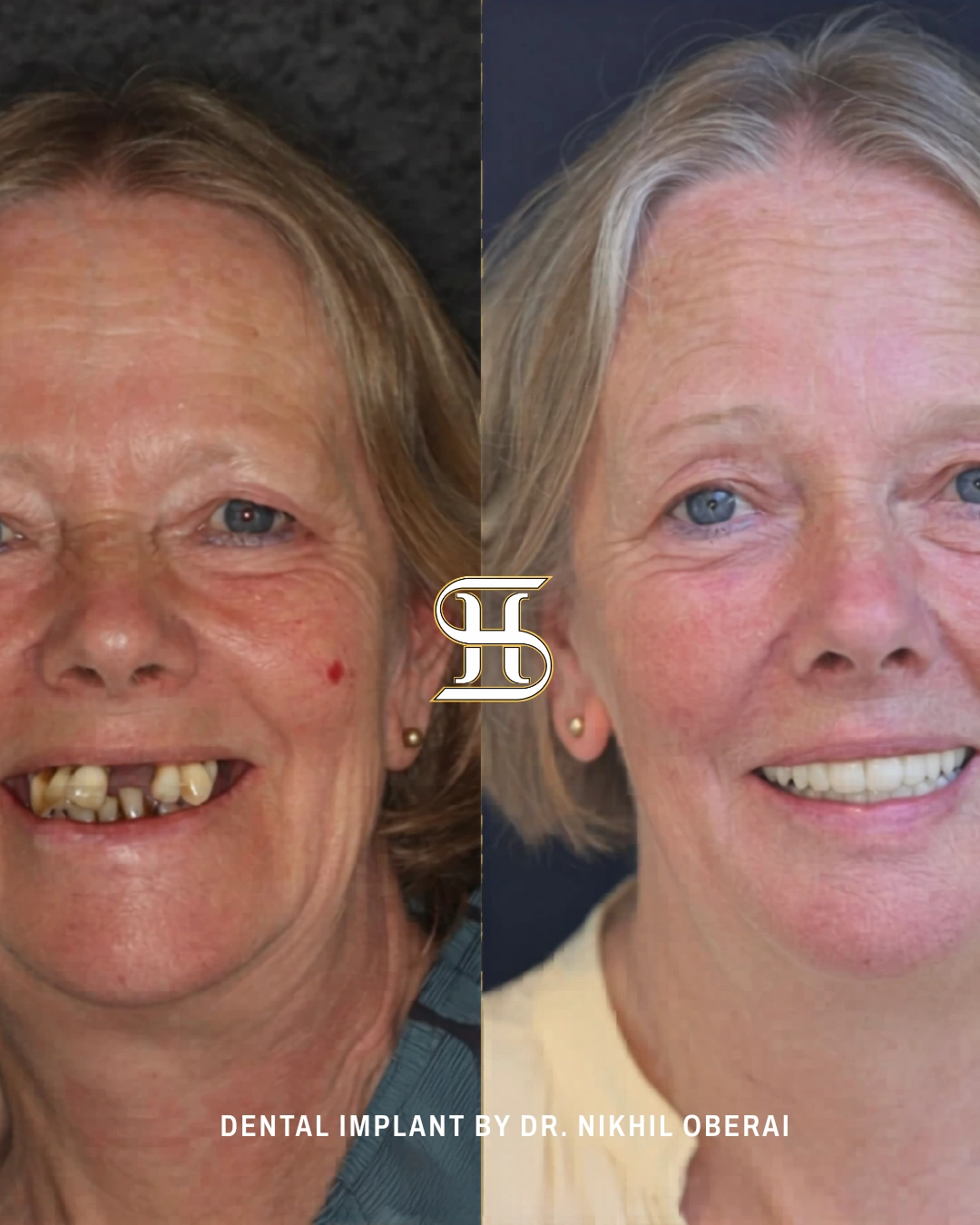
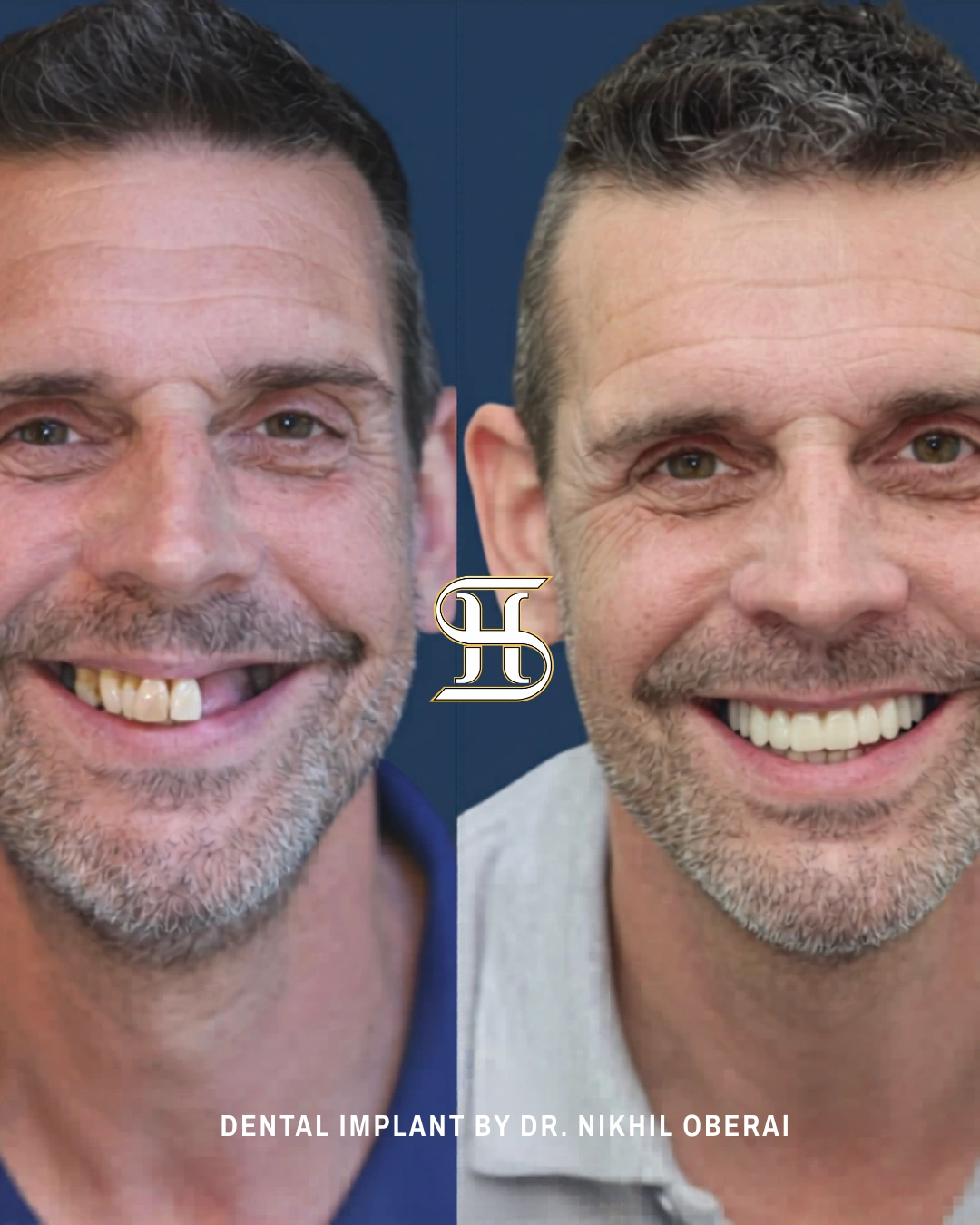
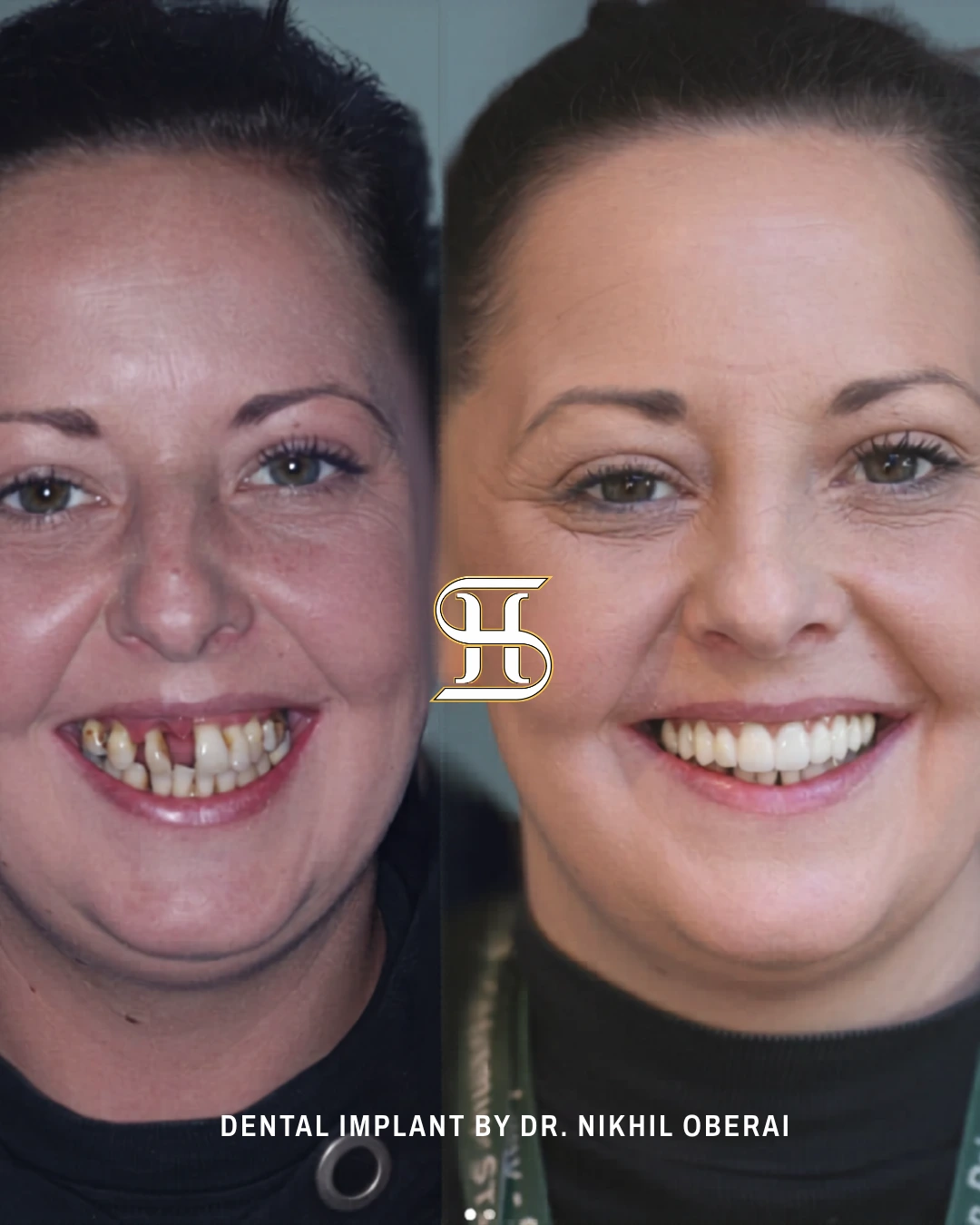
- Patient Testimonial
Patients Who Came to Us When Others Said It Could Not Be Done
“I was referred to Dr Nik by my own dentist who was honest enough to say that my case was beyond what he was comfortable placing himself. That honesty meant a lot, and Dr Nik more than justified the referral. The treatment was thorough, well planned, and the result has been excellent.”
- Dental Finance
How Much Do Dental Fillings Cost in Cheshire?
Filling costs at Heritage Smile Group depend on the size and position of the filling and the material used. Fees are confirmed before any treatment begins and a written treatment plan is provided at your appointment. For a full breakdown of our fees, visit our dental fees page.
- Register with us
Register with Heritage Smile Group. 2 Locations Across Cheshire
We are actively welcoming new patients at both Heritage Smile Group practices in Cheshire. Whether you are new to the area and need to register with a dentist, looking for a higher standard of care than you have been receiving, or have a specific treatment in mind that your current practice does not offer, we would be genuinely glad to welcome you.
When you join us as a new patient, here is what you can expect:
- Full new patient examination including x-rays
- Written treatment plan with itemised costs
- No pressure to commit on the day
- Examination fee waived if you join our practice plan
- Free consultations for implants and Invisalign
Both practices welcome adults and children, new arrivals to the area, and patients who simply want a reliable local dentist they can trust.
- Frequently Asked Questions
Frequently Asked Questions About Dental Fillings
How do I know if I need a filling?
Common signs include sensitivity to hot, cold, or sweet food and drink, a visible hole or dark area on a tooth, pain when biting, or a rough edge you can feel with your tongue. In many cases there are no symptoms at all, which is why regular check-ups are important. Decay detected early requires a smaller, simpler filling and preserves more of the natural tooth.
How long do fillings last?
Composite resin fillings typically last between five and ten years with good oral hygiene and regular check-ups. Ceramic inlays and onlays tend to last longer. The lifespan of any restoration depends on the size of the filling, where it is in the mouth, and how well teeth are cleaned at home. Your clinician will monitor all existing restorations at your check-up appointments.
Does having a filling hurt?
The procedure itself should not be painful. The area is numbed with local anaesthetic before treatment begins. Most patients are surprised by how straightforward the experience is. If you are anxious about dental treatment, let the team know when you book and we will make sure your appointment is as comfortable as possible.
Can I eat after a filling?
With composite fillings, the material is set immediately using a curing light, so you can eat as soon as the anaesthetic wears off. It is sensible to avoid very hard or sticky foods for the first 24 hours while the material fully settles.
Can I have my old amalgam fillings replaced?
Yes. Many patients choose to replace amalgam fillings with tooth-coloured composite for aesthetic reasons. We assess each case individually to confirm the existing filling is suitable for removal and replacement. Your clinician will explain the process and the expected result at your consultation.