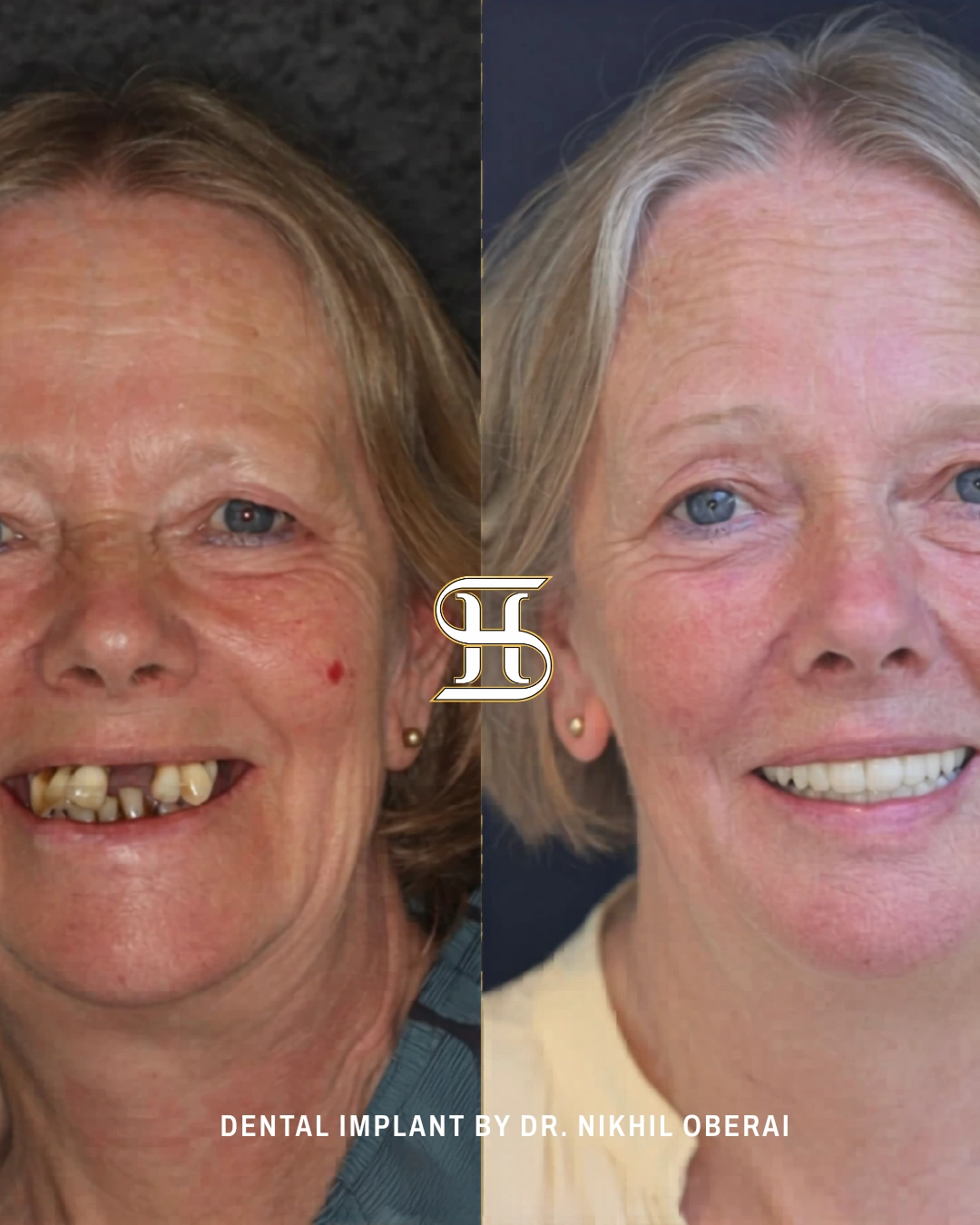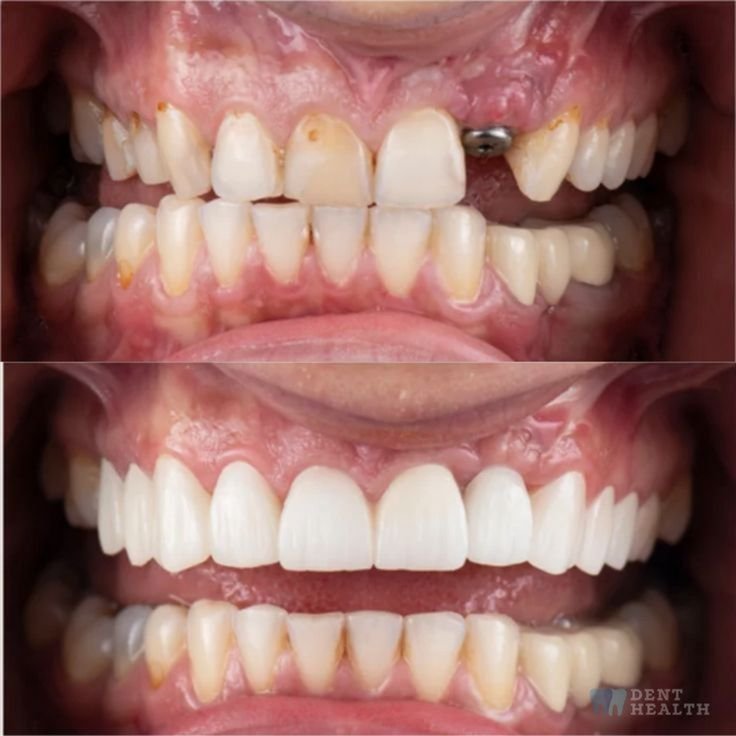
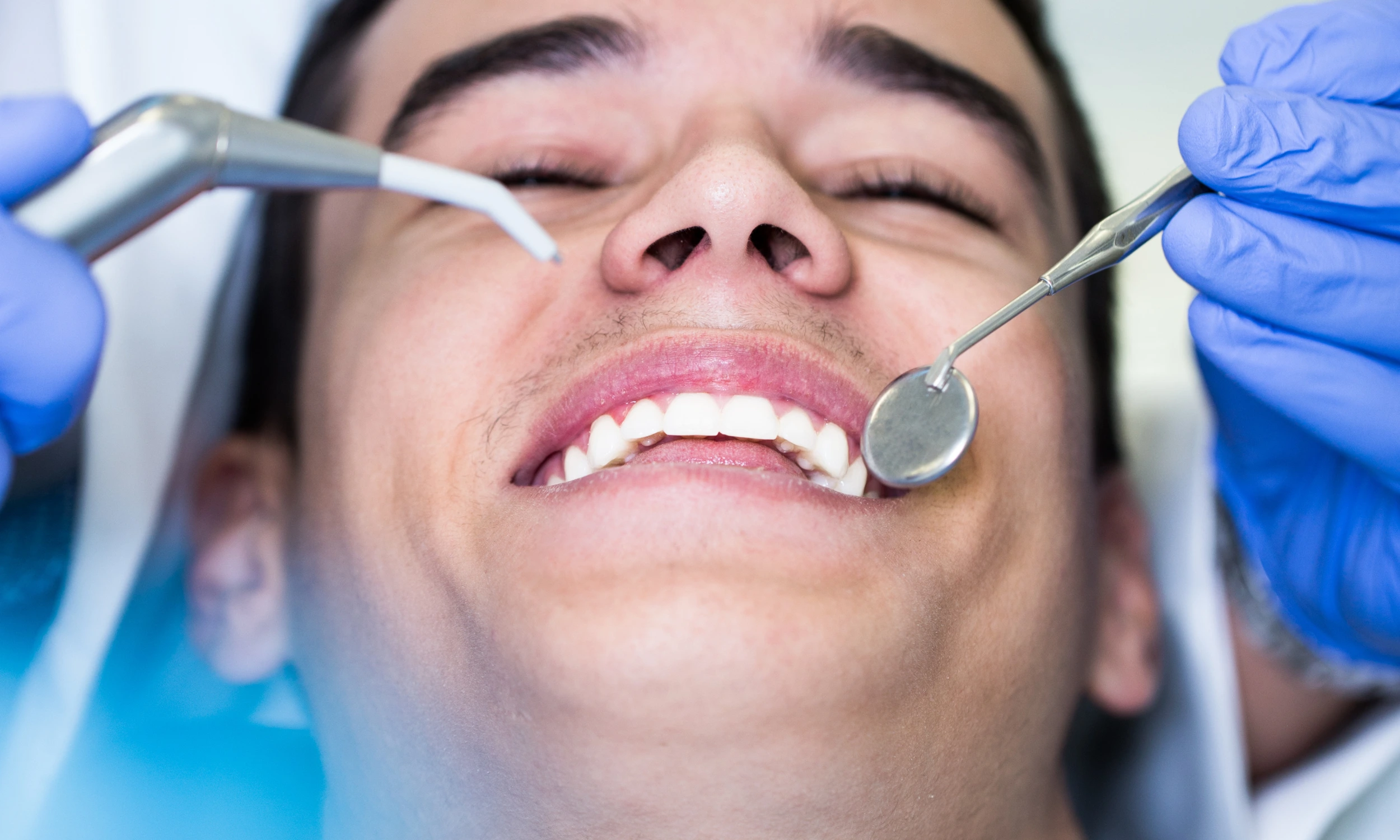
Grove Street was busy with the usual Saturday mix of prams, coffee cups and dogs on leads when Emma finally stopped covering her mouth when she laughed. It had been three months since a bike accident left her front tooth with a visible chip, and three months of catching herself mid-smile in shop windows, hand halfway to her face out of habit. A friend recommended composite bonding, and after one appointment at Heritage Smile Group, the habit was gone before she’d noticed it had stopped.
Chipped edges, small gaps and slightly uneven teeth are some of the most common reasons people in Wilmslow and the surrounding villages ask about composite bonding. It’s quick, it doesn’t touch healthy tooth structure the way some treatments do, and for a lot of patients it solves a problem that’s been quietly bothering them for years. This guide walks through exactly what happens from the first conversation to the moment you leave with your new smile, so there are no surprises on the day.
What Is Composite Bonding, and Who Is It For?
Composite bonding uses a tooth-coloured resin, sculpted directly onto the tooth and hardened with a curing light, to reshape, repair or brighten a smile. It’s the same material dentists use for white fillings, which is part of why it’s so versatile.
People come to us for composite bonding in Wilmslow for all sorts of reasons: a chip from sport or an accident, a gap between the front teeth, teeth that have worn down slightly with age, or simply wanting a smile that looks a little more even before a wedding or a big birthday. It’s a treatment that suits people who want a noticeable change without committing to something permanent or invasive, which is part of why it’s become one of the most requested cosmetic treatments across Cheshire in the last few years.
It’s not the right fix for every situation, and a good consultation should always be honest about that. Bonding sits on a tooth’s surface rather than replacing it, so it isn’t always the strongest option for someone who grinds their teeth heavily at night or needs to correct a significant bite issue. Where bonding won’t hold up well, other options such as veneers or a broader smile makeover in Cheshire might be discussed instead, and your dentist should be upfront about which route suits your teeth rather than pushing the treatment you came in asking for.
Can composite bonding fix chipped or gapped teeth?
Yes, composite bonding is commonly used to repair chips, close small gaps and reshape uneven teeth. Most corrections are completed in a single appointment, with the dentist building up tooth-coloured resin directly onto the tooth to restore its natural shape.
Your First Visit: The Consultation
Nothing gets bonded on the first visit. Instead, your dentist will look at your teeth and bite, talk through what’s bothering you about your smile, and check that bonding is actually the best route rather than the fastest one. Shade matching happens here too, so the resin blends seamlessly with your natural teeth rather than standing out under different lighting.
This is also the point to raise budget honestly. Composite bonding tends to sit at a lower price point than porcelain veneers, and the team can talk you through costs alongside the wider dental fees in Cheshire guide so there’s nothing unclear before you commit to a date.
Appointment Day: What Actually Happens
On the day, the tooth surface is gently prepared and lightly roughened so the resin has something to grip onto. This step is minimal compared with treatments like crowns or veneers, and for most patients it means little to no drilling into healthy enamel.
Your dentist then applies the composite resin in thin layers, shaping it by hand to match the contour of the surrounding teeth. Each layer is hardened with a curing light before the next is added, which is what allows such fine control over the final shape. Once the sculpting is done, the tooth is polished until it has the same natural sheen as the teeth either side of it.
How long does a composite bonding appointment take?
Most composite bonding treatments are completed in a single visit lasting around one to two hours, depending on how many teeth are being treated. Results are visible immediately, with no waiting period before you see your new smile.
Is composite bonding painful?
No, composite bonding is generally pain-free and rarely requires any anaesthetic, since it doesn’t involve removing significant tooth structure. Most patients describe the appointment as similar to having a filling, with mild sensitivity to pressure at most.
Straight After Your Appointment
You’ll be able to see and feel the difference the moment you leave the chair, which is one of the reasons bonding is such a popular choice for people who want results without a long treatment plan. Your bite will be checked before you go, and the dentist will make small adjustments if anything feels uneven when you close your teeth together.
There’s no swelling and no recovery period to plan around. Most patients head straight back to work, the school run or, in Emma’s case, a Saturday morning on Grove Street, without anyone noticing anything other than a smile they can’t quite stop showing off.
How soon can I eat after composite bonding?
You can eat as soon as any numbness wears off, which for most patients is straight away since anaesthetic often isn’t needed. It’s worth avoiding heavily staining foods and drinks, such as red wine, coffee and curry, for around 48 hours while the resin fully settles.
Looking After Your Bonding Long Term
Composite bonding holds up well with ordinary care: brushing twice a day, flossing, and the usual six-monthly check-ups. It’s worth being mindful of habits that put pressure on the edges, like biting nails or chewing pen lids, since resin can chip under the same stresses that would eventually wear down natural enamel too.
Most patients find their bonding lasts several years before it needs any refreshing, though this varies depending on how the teeth are used day to day. Your dentist will keep an eye on it at routine visits and let you know if a small top-up is ever needed.
A question we hear often is whether bonding stains the way natural teeth do. It can, slightly, with the same habits that discolour enamel over time: coffee, red wine, smoking. The good news is that unlike some materials, composite can be polished or refreshed relatively easily if its colour starts to drift from the rest of your smile, so it’s rarely an all-or-nothing situation.
Is Composite Bonding Right for You?
If you’ve been covering your mouth when you laugh, avoiding front-facing photos, or just quietly wishing your smile looked a bit more even, composite bonding is worth asking about. The team at the Croft Dental & Implant Practice in Wilmslow can assess your teeth and talk through whether bonding, or another approach entirely, will get you the result you’re after. For patients travelling in from Alderley Edge, Prestbury or Handforth, appointments are easy to fit around work or the school run.
If a chip, gap or uneven edge has been bothering you for a while, book a consultation with Heritage Smile Group in Wilmslow and find out how quickly composite bonding could change the way you smile.