
Teeth Whitening in Cheshire
Noticeably whiter teeth, achieved safely and professionally. The results that professional teeth whitening delivers go well beyond anything available over the counter, and the process is simpler than most patients expect.
- Clinically Supervised Whitening
- In-Practice and Take-Home Options
- Clinics in Wilmslow and Northwich
- Free Consultation Available
- Service
The Simplest Way to Make a Noticeable Difference to Your Smile
Not every smile improvement requires a complex treatment plan. Sometimes the single most effective thing you can do for your smile is also one of the most straightforward.
Teeth whitening is consistently one of the most requested treatments at Heritage Smile Group, and it is easy to understand why. It is fast, non-invasive, requires no alteration to the tooth structure, and for the right patient it produces a result that genuinely transforms how the smile looks. Patients who have spent years self-conscious about the colour of their teeth are often surprised by how significant a difference whitening alone can make.
The key distinction between professional whitening and the products available in supermarkets and pharmacies comes down to the concentration of the active ingredient. Over-the-counter whitening products available in the UK without a prescription contain very low concentrations of hydrogen or carbamide peroxide, low enough that the whitening effect is minimal and often barely noticeable. Professional whitening products prescribed and supplied by a dental clinician use higher concentrations that are not available over the counter, and which deliver a visibly different result.
At Heritage Smile Group, teeth whitening is carried out under clinical supervision, with the shade, approach, and product tailored to each individual patient. We offer both in-practice whitening and professional take-home whitening kits, and will recommend the right option based on your starting shade, your goals, and your lifestyle.
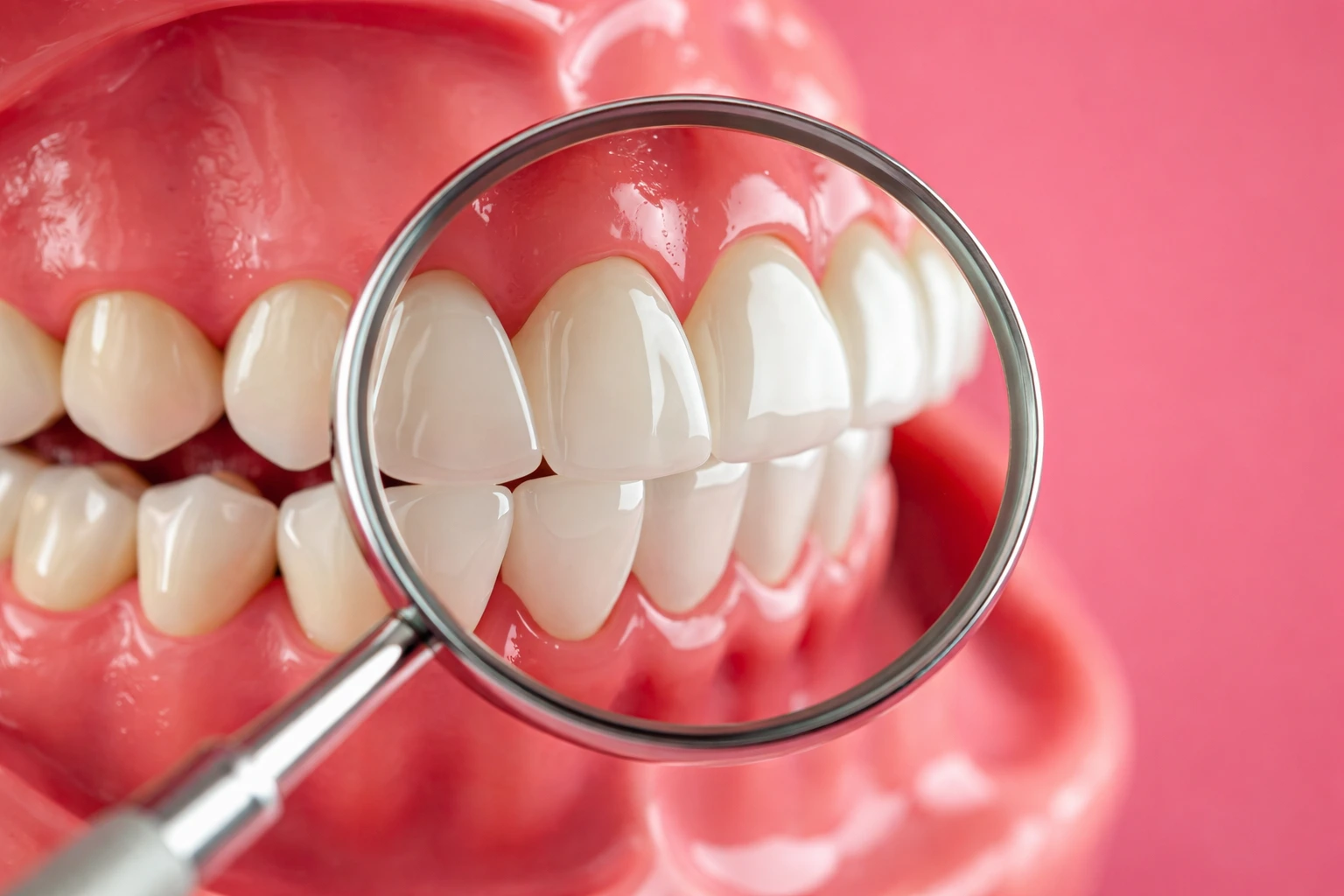
Why Over-the-Counter Products Cannot Match Professional Whitening
Patients sometimes arrive at a whitening consultation having already tried supermarket strips, whitening toothpastes, or other retail products with limited results. Understanding why professional whitening works differently helps set realistic expectations and explains the value of having it done properly.
Concentration of Active Ingredient
The whitening effect in all dental whitening treatments comes from hydrogen peroxide or carbamide peroxide, which penetrate the enamel and break down the compounds responsible for staining. In the UK, products sold over the counter without a prescription are legally limited to a maximum of 0.1% hydrogen peroxide, which is not enough to produce significant whitening for most patients. Professional whitening products prescribed by a dentist use concentrations of up to 6% hydrogen peroxide or equivalent, which is why the results are so markedly different.
Custom-Made Trays
Take-home whitening kits supplied by a dental practice include custom-made trays fabricated from impressions or digital scans of your teeth. These trays fit precisely against the tooth surface, ensuring the whitening gel is in contact with the enamel where it needs to be rather than leaking around the margins. Generic one-size trays from retail kits do not fit properly and reduce the effectiveness of whatever gel they contain.
Clinical Assessment and Supervision
Before professional whitening is prescribed, a clinician assesses the health of your teeth and gums, identifies any existing restorations that will not respond to whitening, and advises on the shade that is realistically achievable for your individual tooth structure. This means the treatment is planned appropriately from the start rather than approached as a guessing game.
Two Ways to Whiten Your Teeth at Heritage Smile Group
We offer two professional whitening approaches. The right one for you depends on your goals, your lifestyle, and how quickly you want to see results. Dr Natasja will recommend the most appropriate option at your consultation.
Option 1: In-Practice Whitening
In-practice whitening is carried out in a single clinical appointment. A higher concentration whitening gel is applied to the teeth under clinical supervision, and in some systems a light or laser is used to activate the gel and accelerate the whitening process. The appointment typically takes one to two hours and results are visible immediately on the day.
In-practice whitening is a good option for patients who want a quick, noticeable improvement ahead of a specific event, or who want to see the maximum result as fast as possible.
Option 2: Professional Take-Home Whitening
Take-home whitening uses custom-made trays and a professional-grade whitening gel that you apply yourself at home over a course of two to four weeks. The trays are made from impressions or digital scans of your teeth, ensuring a precise fit that maximises contact between the gel and the enamel.
Take-home whitening delivers results that are comparable to in-practice treatment in most cases, with the advantage of flexibility. You apply the trays at a time that suits you, typically for two to four hours per day or overnight depending on the product, and the shade improvement builds gradually over the course of treatment.
Take-home whitening is also the better option for ongoing maintenance once your initial whitening is complete, as top-up applications can be carried out at home using the same trays.
Combining Both Approaches
For patients who want the fastest and most significant result, a combination approach is possible. In-practice whitening achieves the initial significant shade change, followed by take-home trays for gradual further improvement and ongoing maintenance. Dr Natasja will discuss whether this combined approach is appropriate for your situation at your consultation.
Honest Expectations for Your Whitening Result
Professional teeth whitening produces genuinely impressive results for most patients, but it is important to understand what it can and cannot achieve before you proceed.
What whitening can address:
Yellowing caused by the natural aging process, which causes the enamel to thin gradually and the darker dentine beneath to become more visible over time.
Staining from food and drink, including tea, coffee, red wine, and certain foods that cause surface discolouration on the enamel.
Staining from tobacco, which produces deep, stubborn discolouration that whitening can significantly reduce in many cases.
General dullness or loss of brightness that makes a smile look tired or older than it is.
What whitening cannot address:
Tetracycline or antibiotic staining, which originates within the tooth structure itself rather than on the surface and does not respond well to peroxide-based whitening. For patients with this type of staining, porcelain veneers are typically the more effective solution.
Fluorosis, where white or brown spots develop on the enamel during tooth development. Whitening can sometimes reduce the contrast between spotted and surrounding areas, but the underlying pattern will remain.
Existing restorations including crowns, bridges, veneers, and composite bonding, which are made from materials that do not respond to whitening. If you have existing restorations on visible teeth, whitening the natural teeth around them may create a shade mismatch. We will assess this at your consultation and advise on the best approach for your specific situation.
Grey discolouration originating from within the tooth, often caused by previous trauma or a root canal, which may not respond to standard whitening. Internal bleaching or other approaches may be discussed if this applies to your situation.
Professional Whitening Is Safe When Carried Out Correctly
Teeth whitening using professionally prescribed products, carried out under clinical supervision, is a safe and well-established cosmetic dental treatment. The active ingredients have been used in dental whitening for decades and are well documented in the clinical literature.
The most common side effect is temporary tooth sensitivity during and immediately after treatment. This is caused by the whitening gel temporarily affecting the fluid within the dentine tubules of the teeth. It typically resolves within 24 to 48 hours after completing a whitening session and does not cause any lasting harm to the tooth structure.
Patients who already experience tooth sensitivity before whitening should mention this at their consultation. Dr Natasja may recommend using a sensitivity toothpaste in the weeks leading up to whitening and can adjust the whitening protocol to minimise discomfort where sensitivity is a concern.
Gum irritation can occasionally occur if whitening gel comes into contact with the gum tissue. With properly fitting custom trays this is minimised significantly. In-practice whitening uses protective barriers to shield the gum tissue during treatment.
Not Sure Which Treatment Is Right for You?
Make an Enquiry
#SmileWall
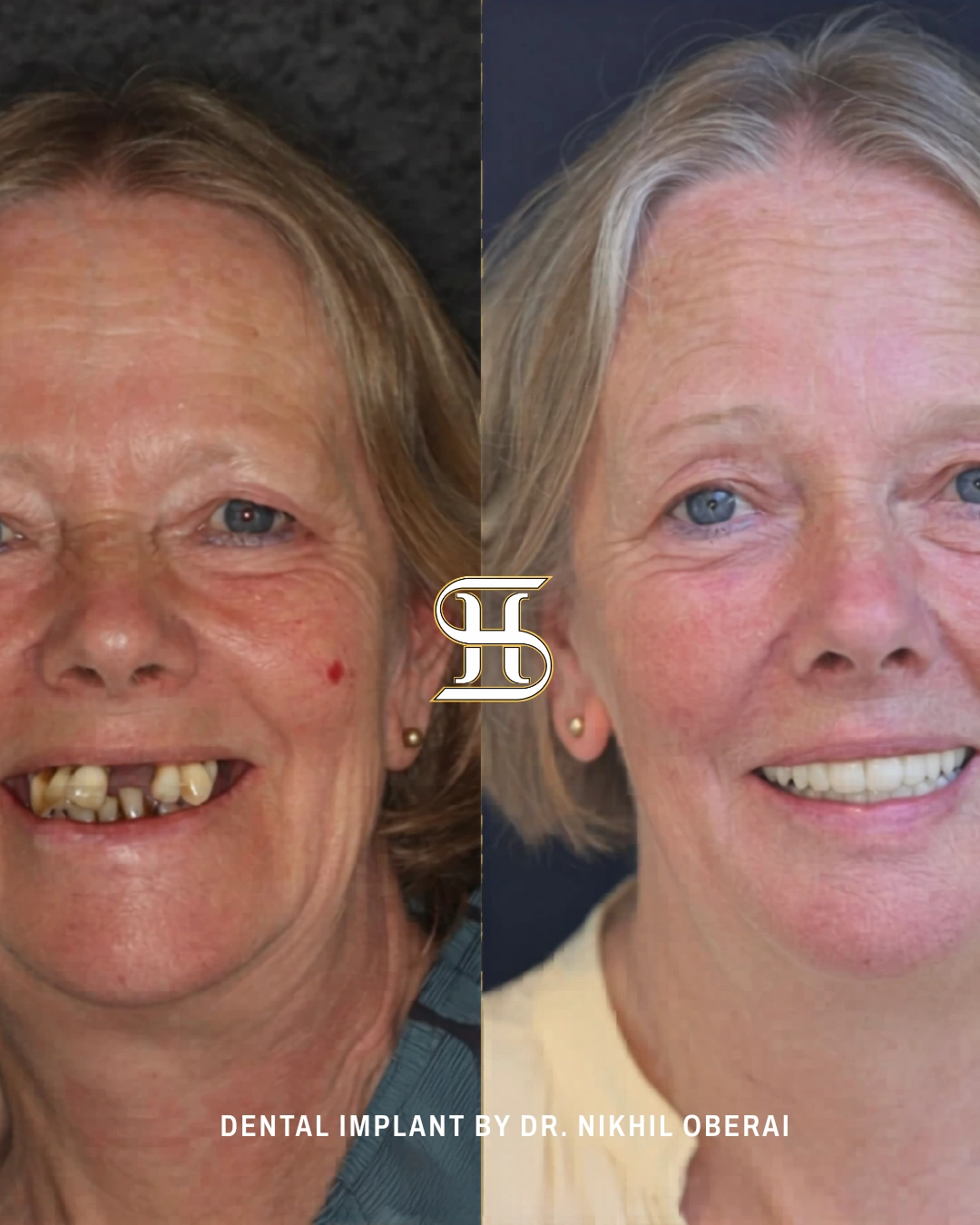
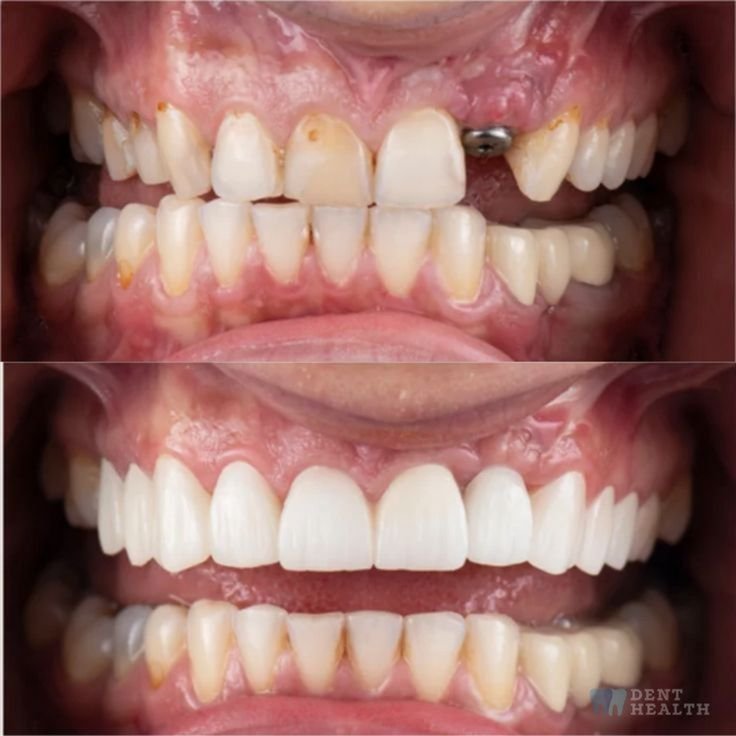
- What to Expect
Your Teeth Whitening Journey at Heritage Smile Group
Consultation
Dr Natasja assesses the health of your teeth and gums, takes a note of your current shade, identifies any existing restorations that need to be considered, and discusses your whitening goals. She recommends the most appropriate approach for your situation and provides a clear picture of the result you can realistically expect.
Impressions or Scanning (take-home)
For take-home whitening, impressions or digital scans of your teeth are taken and used to fabricate your custom-fitted trays. The trays are usually ready within a week.
Tray Collection and Instructions (take-home)
You collect your trays and whitening gel at a short appointment. Dr Natasja or a member of the clinical team will show you how to load the trays correctly, explain the recommended wear schedule, and advise on what to expect during treatment.
In-Practice Appointment (in-practice)
Your whitening appointment takes place over one to two hours at the practice. A protective barrier is placed over the gums and the whitening gel is applied to the teeth. The process is monitored throughout. Results are visible immediately after the appointment.
Treatment Course
Take-home whitening is worn daily for two to four weeks, with the shade improving gradually throughout. Dr Natasja will advise on the expected pace of improvement for your specific starting shade.
Review and Maintenance
Once the whitening course is complete, a review allows Dr Natasja to assess the final shade and discuss ongoing maintenance. Take-home trays can be used for periodic top-up sessions to maintain the result over time, using additional gel purchased from the practice.- Meet Your Clinician
Prescribed and Supervised by Dr Natasja Kashyap
All teeth whitening at Heritage Smile Group is prescribed and supervised by Dr Natasja Kashyap. Her MSc in Fixed and Removable Prosthodontics from the University of Manchester and her detailed understanding of how colour, shade, and tooth aesthetics interact mean she approaches whitening as part of the overall aesthetic picture rather than simply as a standalone procedure.
She will always ensure that the shade recommended for your whitening is appropriate for your skin tone, your facial features, and any other cosmetic treatments that are part of your plan, so that the overall result is cohesive and natural rather than isolated.
- Patient Testimonial
What Our Patients Say About Their Whitening Results
“I had tried whitening strips from the chemist a few times and never really seen much difference. Professional whitening was a completely different experience. After three weeks of take-home treatment my teeth were noticeably brighter and several people asked if I had done something different. The custom trays make such a difference to how the gel sits on the teeth.”
- Patient, Wilmslow
- Dental Finance
Teeth Whitening Is One of Our Most Accessible Treatments
Professional teeth whitening is one of the most cost-effective cosmetic dental treatments available. Your exact cost will be confirmed at your consultation depending on the option you choose. Finance options are available if you would prefer to spread the cost.
- Register with us
Register with Heritage Smile Group. 2 Locations Across Cheshire
We are actively welcoming new patients at both Heritage Smile Group practices in Cheshire. Whether you are new to the area and need to register with a dentist, looking for a higher standard of care than you have been receiving, or have a specific treatment in mind that your current practice does not offer, we would be genuinely glad to welcome you.
When you join us as a new patient, here is what you can expect:
- Full new patient examination including x-rays
- Written treatment plan with itemised costs
- No pressure to commit on the day
- Examination fee waived if you join our practice plan
- Free consultations for implants and Invisalign
Both practices welcome adults and children, new arrivals to the area, and patients who simply want a reliable local dentist they can trust.
- Frequently Asked Questions
Questions Patients Ask About Teeth Whitening
Is teeth whitening painful?
Professional teeth whitening is not painful. The most common side effect is temporary tooth sensitivity during or immediately after treatment, which typically resolves within 24 to 48 hours. Patients with pre-existing sensitivity should mention this at their consultation so the protocol can be adjusted accordingly.
How many shades of whiter will my teeth get?
The degree of whitening varies between patients depending on the starting shade, the natural translucency of the enamel, and the type and concentration of product used. Most patients achieve a noticeable improvement of several shades. Dr Natasja will give you a realistic expectation based on your individual starting point at your consultation, rather than making a guarantee that cannot be kept for every patient.
Will whitening work on crowns, veneers, or bonding?
No. Dental restorations including crowns, veneers, bridges, and composite bonding are made from materials that do not respond to whitening. If you have existing restorations on visible teeth, whitening the natural teeth around them may create a shade difference. Dr Natasja will assess this at your consultation and advise on the best approach for your situation.
Is teeth whitening permanent?
No. Whitening results are not permanent. The teeth will naturally begin to pick up staining from food, drink, and lifestyle habits over time. Most patients find their results last one to three years before a top-up is beneficial. Regular hygiene appointments and periodic take-home top-up sessions are the most effective way to maintain the result long term.
Can I whiten my teeth if I am pregnant?
It is generally recommended that teeth whitening is avoided during pregnancy and while breastfeeding. There is no evidence that professional whitening products cause harm, but because the research in this area is limited, most dental clinicians advise waiting until after pregnancy and breastfeeding before proceeding with elective whitening treatment.
How do I maintain my whitening results?
Maintain good oral hygiene, attend regular hygiene appointments, limit heavily staining foods and drinks where possible, and use your custom take-home trays for periodic top-up sessions every six to twelve months as needed. Dr Natasja will advise on the best maintenance routine for your specific situation at your review appointment.
At what age can I have teeth whitening?
Professional teeth whitening is recommended for patients aged 18 and over. This is because the pulp of the tooth, the living tissue inside it, is proportionally larger in younger patients and the teeth may be more sensitive as a result. Dr Natasja will confirm your suitability at your consultation.