
Root Canal Treatment in Cheshire
Save a tooth that would otherwise need to come out. Root canal treatment removes the source of infection and pain from inside the tooth, preserving the tooth’s structure so it can last for many more years.
- Experienced Clinical Team
- Modern Techniques and Equipment
- Comfortable Under Local Anaesthetic
- Clinics in Wilmslow and Northwich
- Service
The Treatment That Has a Worse Reputation Than It Deserves
Root canal treatment is one of the most feared dental procedures by reputation. Ask most people and they will tell you it is painful, prolonged, and something to be avoided at all costs. Ask people who have actually had root canal treatment carried out by an experienced clinician using modern techniques and equipment, and most will tell you something quite different.
The reality is that root canal treatment is typically no more uncomfortable than having a standard filling. The procedure is carried out under local anaesthetic, the tooth and surrounding area are fully numb before anything begins, and most patients are surprised by how manageable the experience turns out to be. The pain associated with root canal treatment in the public imagination is much more often the pain of the infection that made it necessary than the treatment itself.
More importantly, root canal treatment saves teeth. When the pulp inside a tooth, the soft tissue containing nerves and blood vessels, becomes infected or inflamed, the tooth cannot heal itself and the infection can spread to the surrounding bone if left untreated. The alternatives to root canal treatment are extraction of the tooth or allowing the infection to progress, neither of which serves the patient’s long-term oral health.
At Heritage Smile Group, root canal treatment is carried out by our experienced clinical team using modern techniques that make the procedure significantly more comfortable and predictable than older approaches. We will always explain clearly what the procedure involves, why it is being recommended, and what the alternatives are before anything is agreed.
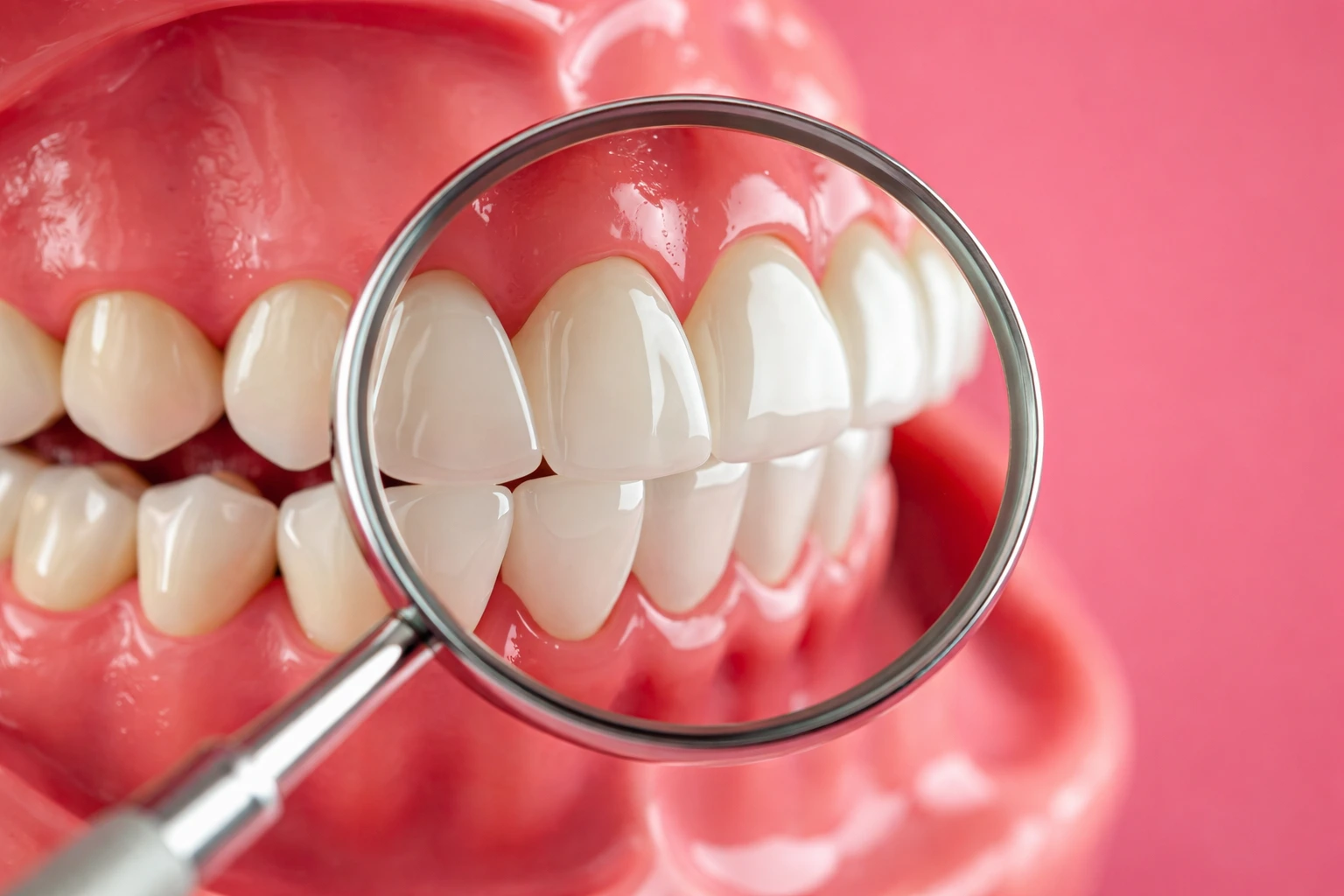
What Root Canal Treatment Actually Involves
To understand what root canal treatment does, it helps to understand the anatomy of a tooth.
Every tooth has an outer layer of hard enamel, a middle layer of dentine, and at its centre a pulp chamber and root canals containing the dental pulp. The pulp is the living tissue of the tooth: nerves, blood vessels, and connective tissue. During development, the pulp is essential for the tooth to form correctly. In a fully developed adult tooth, the tooth can survive without the pulp because it receives sufficient nourishment from the surrounding tissue.
When the pulp becomes infected or inflamed, whether through deep decay, a crack, a chip, repeated dental procedures on the same tooth, or trauma, it can cause significant pain and, if untreated, the infection can spread into the surrounding bone, causing an abscess. Root canal treatment removes the infected or inflamed pulp, cleans and shapes the canals inside the root, and seals the tooth to prevent reinfection.
- Access and Pulp Removal The clinician creates a small opening in the crown of the tooth to access the pulp chamber. Using fine instruments, the infected or inflamed pulp is removed from the pulp chamber and the root canals. X-rays or digital imaging are used throughout to confirm the length and shape of the canals being treated.
- Cleaning and Shaping The root canals are cleaned thoroughly with fine instruments and irrigating solutions that remove residual bacteria and debris. The canals are also shaped to prepare them for filling. This is the most time-consuming stage of the procedure and may be carried out across one or two appointments depending on the complexity of the tooth and the extent of the infection.
- Filling and Sealing Once the canals are clean and shaped, they are filled with a biocompatible material called gutta-percha and sealed to prevent bacteria from re-entering. A temporary or permanent filling is placed on top. In most cases the tooth will subsequently need a crown to protect it from fracture, as teeth that have had root canal treatment can become more brittle over time.
Why Root Canal Treatment Is Worth Considering
When a patient is told they need root canal treatment, the question they often ask is whether extraction is simply easier and cheaper. It is a reasonable question and one the clinician will always answer honestly. But the case for saving the tooth is a strong one in most situations.
Preserving the Natural Tooth
Nothing replaces a natural tooth as effectively as the natural tooth itself. Root canal treated teeth, properly restored with a crown, can last for many years and function exactly like healthy teeth. Preserving a natural tooth avoids the need for replacement treatment and keeps the surrounding teeth and bone in their current state.
Avoiding Bone Loss
When a tooth is extracted, the bone that supported it begins to resorb within months because it is no longer receiving stimulation from a root. Root canal treatment preserves the root in place, maintaining the bone volume around it. This has both functional and aesthetic implications, particularly for the front teeth and visible areas of the smile.
Cost Considerations Over Time
Root canal treatment and a crown represents a significant upfront investment. But when compared to the combined cost of extraction followed by a dental implant, which is the most clinically equivalent replacement option, the costs are often comparable or less. The clinician will always give you a clear picture of both options so you can make a fully informed decision.
Avoiding the Consequences of a Missing Tooth
Leaving a gap after extraction has its own clinical consequences including tooth drift, over-eruption of the opposing tooth, and progressive bone loss. Root canal treatment avoids all of these by keeping the tooth in place.
When Root Canal Treatment Might Be Needed
Not all teeth that need root canal treatment cause obvious symptoms. Some infected teeth are entirely pain free, particularly if the infection has been present for a long time and the nerve has already died. Others cause significant and unmistakable symptoms.
- Persistent or severe toothache Pain that is deep, throbbing, or constant rather than sharp and brief can indicate that the pulp is inflamed or infected. Pain that radiates into the jaw, ear, or head is also a sign that warrants clinical assessment.
- Prolonged sensitivity to heat or cold A tooth that remains sensitive or painful for more than a few seconds after exposure to hot or cold food or drink, rather than the brief twinge of normal sensitivity, can indicate pulp inflammation.
- Swelling or tenderness in the gum Swelling, a raised bump, or tenderness in the gum tissue near a tooth can indicate an abscess forming at the root tip. This is a sign of infection that needs prompt clinical attention.
- Tooth discolouration A tooth that has become noticeably darker than its neighbours may have had its pulp die, often as a result of previous trauma. Darkening alone is not always a sign of active infection but warrants assessment.
- A persistent spot or pimple on the gum A small raised spot on the gum near a tooth, sometimes described as a pimple or blister, can be a sinus tract, a channel through which the infection is draining. This is a clear sign that root canal treatment or extraction is needed.
- A tooth that has been previously traumatised Teeth that have been knocked, chipped, or fractured, even years ago, can develop pulp problems later. If you notice any symptoms in a tooth that has had previous trauma, mention this to the clinician.
If you are experiencing any of these symptoms, book an appointment as soon as possible. Dental infections do not resolve on their own and prompt treatment produces better outcomes and avoids the spread of infection.
Not Sure Which Treatment Is Right for You?
Make an Enquiry
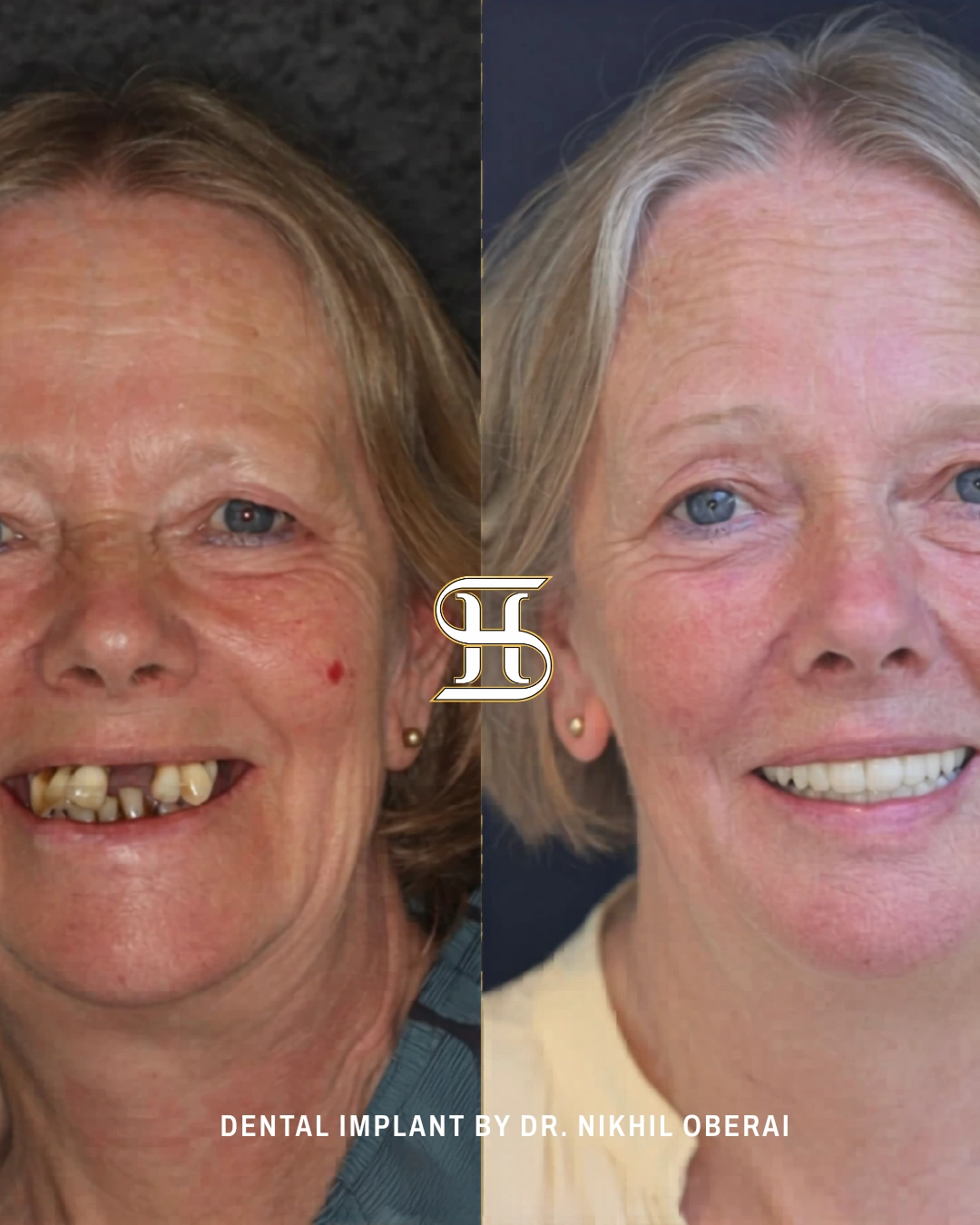
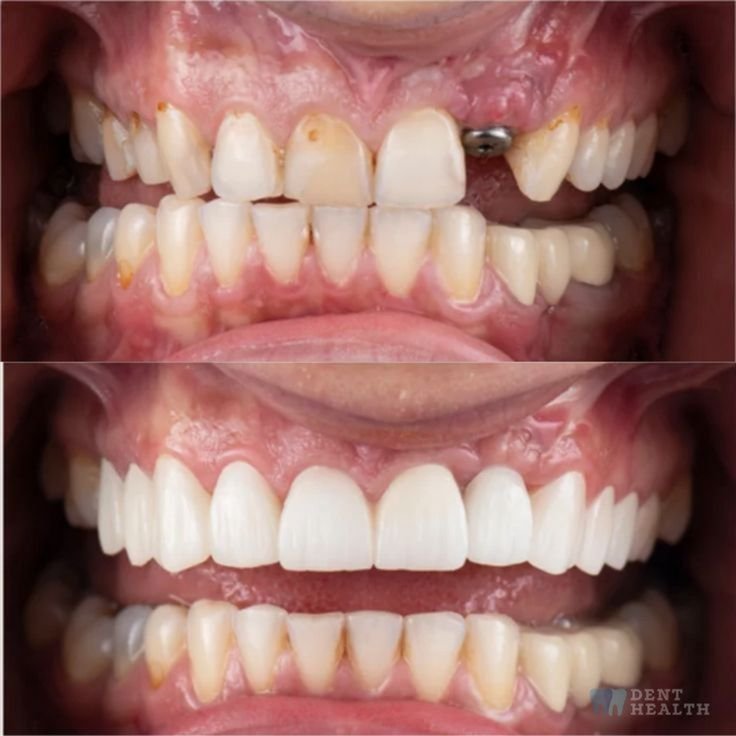
#SmileWall
- What to Expect
Your Root Canal Treatment at Heritage Smile Group, Step by Step
Assessment and Diagnosis
The clinician examines the tooth, takes x-rays to assess the extent of the infection and the anatomy of the root canals, and carries out specific tests to confirm the diagnosis. You will receive a clear explanation of the findings, why root canal treatment is being recommended, and what the procedure will involve. The alternative options, including extraction and replacement, are discussed so you can make an informed decision.Local Anaesthetic
Before the procedure begins, local anaesthetic is administered to numb the tooth and surrounding area thoroughly. The clinician will confirm the area is fully numb before proceeding. Teeth with active infections can occasionally be more difficult to anaesthetise fully, and the clinician may take additional steps to ensure complete comfort before beginning. You should not feel pain during the procedure.
Accessing the Pulp
A small opening is made in the crown of the tooth to access the pulp chamber. A rubber dam, a small sheet of rubber, is placed around the tooth to keep it clean and dry during the procedure and to prevent any irrigating solutions from reaching the rest of the mouth.
Cleaning and Shaping the Canals
The infected pulp is removed and the root canals are cleaned, shaped, and irrigated thoroughly. The clinician uses x-rays or digital imaging throughout this stage to confirm the working length of each canal. Depending on the complexity of the tooth and the extent of the infection, this stage may be completed in one appointment or across two.
Filling and Sealing
Once the canals are clean and the infection has been addressed, they are filled with gutta-percha and sealed. A temporary filling is placed on the same day. In some cases a prescribed antibiotic course may be recommended if there are signs of spreading infection.
Crown Placement
Root canal treated teeth become more brittle over time and are at increased risk of fracture. In most cases a crown is recommended following root canal treatment to protect the tooth and restore full function. The crown appointment takes place once the tooth has settled, typically a few weeks after the root canal is complete.
Long-Term Review
Root canal treated teeth are monitored at regular check-up appointments to ensure the treatment has resolved the infection and the tooth remains healthy. Periodic x-rays allow the clinician to check the bone around the root tip and confirm the tooth remains stable.
- Meet Your Clinician
Root Canal Treatment at Heritage Smile Group
Root canal treatment at Heritage Smile Group is carried out by our experienced clinical team. All procedures are preceded by a thorough assessment and a clear explanation of the findings and options. Modern techniques and equipment are used throughout to make the procedure as comfortable and predictable as possible.
For complex root canal cases requiring a higher level of specialist input, referral to an endodontist may be recommended. The clinician will advise clearly if this applies to your situation.
When Extraction Is the Better Option
Root canal treatment is not the right choice in every situation. There are circumstances where extraction is the more clinically appropriate decision, and the clinician will always be honest about this assessment.
A tooth that is too badly fractured to be restored even with a crown cannot benefit from root canal treatment. A tooth where the root canals are too curved, calcified, or inaccessible to be cleaned adequately. A tooth where the surrounding bone loss from gum disease is so severe that the tooth has no long-term prognosis regardless of the root canal outcome. A patient whose general medical health makes the extended treatment of a compromised tooth inadvisable.
In all of these situations, extraction followed by an appropriate replacement is the better clinical path, and the clinician will explain this clearly and discuss the replacement options available.
- Patient Testimonial
What Patients Say About Their Root Canal Experience
“I was absolutely terrified of having root canal treatment. I had put it off for months because of everything I had heard about how painful it was. When I finally came in, the whole experience was nothing like I feared. The anaesthetic meant I felt nothing during the procedure and I left the practice wondering what I had been so worried about. My only regret is not coming in sooner.”
- Patient, Wilmslow
- Dental Finance
Spreading the Cost of Full Arch Implants (Replace with content)
We understand that full arch implant treatment represents a significant investment. We offer flexible finance options across all packages so that the cost can be spread over monthly payments that suit your budget.
At your free consultation, we will provide you with a clear, itemised treatment plan and walk you through all of the finance options available to you. There is no obligation to proceed and no pressure to decide on the day.
- Register with us
Register with Heritage Smile Group. 2 Locations Across Cheshire
We are actively welcoming new patients at both Heritage Smile Group practices in Cheshire. Whether you are new to the area and need to register with a dentist, looking for a higher standard of care than you have been receiving, or have a specific treatment in mind that your current practice does not offer, we would be genuinely glad to welcome you.
When you join us as a new patient, here is what you can expect:
- Full new patient examination including x-rays
- Written treatment plan with itemised costs
- No pressure to commit on the day
- Examination fee waived if you join our practice plan
- Free consultations for implants and Invisalign
Both practices welcome adults and children, new arrivals to the area, and patients who simply want a reliable local dentist they can trust.
- Frequently Asked Questions
Confused? Let us help
Is root canal treatment painful?
Root canal treatment is carried out under local anaesthetic and should not be painful during the procedure. You will feel pressure and movement but not pain. Post-operative tenderness for a few days after the procedure is normal and is managed with over-the-counter pain relief in most cases. The pain associated with root canal treatment in popular imagination is much more often the pain of the infection before treatment than the treatment itself.
How many appointments does root canal treatment take?
Most root canal treatments are completed across one or two appointments depending on the complexity of the tooth and the extent of the infection. A straightforward single-rooted tooth may be completed in one appointment. Multi-rooted teeth or cases with significant infection may require two appointments with a medicated dressing placed between visits. The clinician will give you a realistic expectation of the number of appointments required at your assessment.
Can a root canal treated tooth get infected again?
Root canal treatment has a high success rate but is not always permanent. In a small proportion of cases the treated tooth can develop reinfection, sometimes many years after the original treatment. This can sometimes be treated with a retreatment root canal. The long-term success of root canal treatment is supported by good oral hygiene, a well-fitted crown, and regular check-up appointments where the tooth can be monitored.
What happens if I do not have root canal treatment?
If an infected tooth is not treated, the infection will not resolve on its own. It will progress, potentially spreading to the surrounding bone and causing an abscess. The tooth will eventually need to be extracted. In some cases the infection can spread more widely and require urgent medical attention. Root canal treatment or extraction are the two clinical options for managing a tooth with an infected pulp and neither should be indefinitely deferred.
Is root canal treatment always successful?
Root canal treatment has a high success rate in appropriate cases. The outcome depends on factors including the extent of the original infection, the anatomy of the root canals, the quality of the treatment, and whether the tooth is subsequently protected with a crown. The clinician will give you a realistic assessment of the expected outcome for your specific tooth before treatment begins.
How long does a root canal treated tooth last?
A root canal treated tooth that is properly restored with a crown and well maintained can last for many years, often decades, and in some cases for the rest of the patient’s life. The tooth should be treated and cared for like any other tooth in the mouth, with regular brushing, flossing, and check-up appointments.
Can I drive after root canal treatment?
Yes, in most cases. Root canal treatment is carried out under local anaesthetic and does not involve sedation in most situations. The anaesthetic will cause the treated area to remain numb for a few hours after the appointment. If you have had sedation, you will not be able to drive and will need someone to accompany you home.