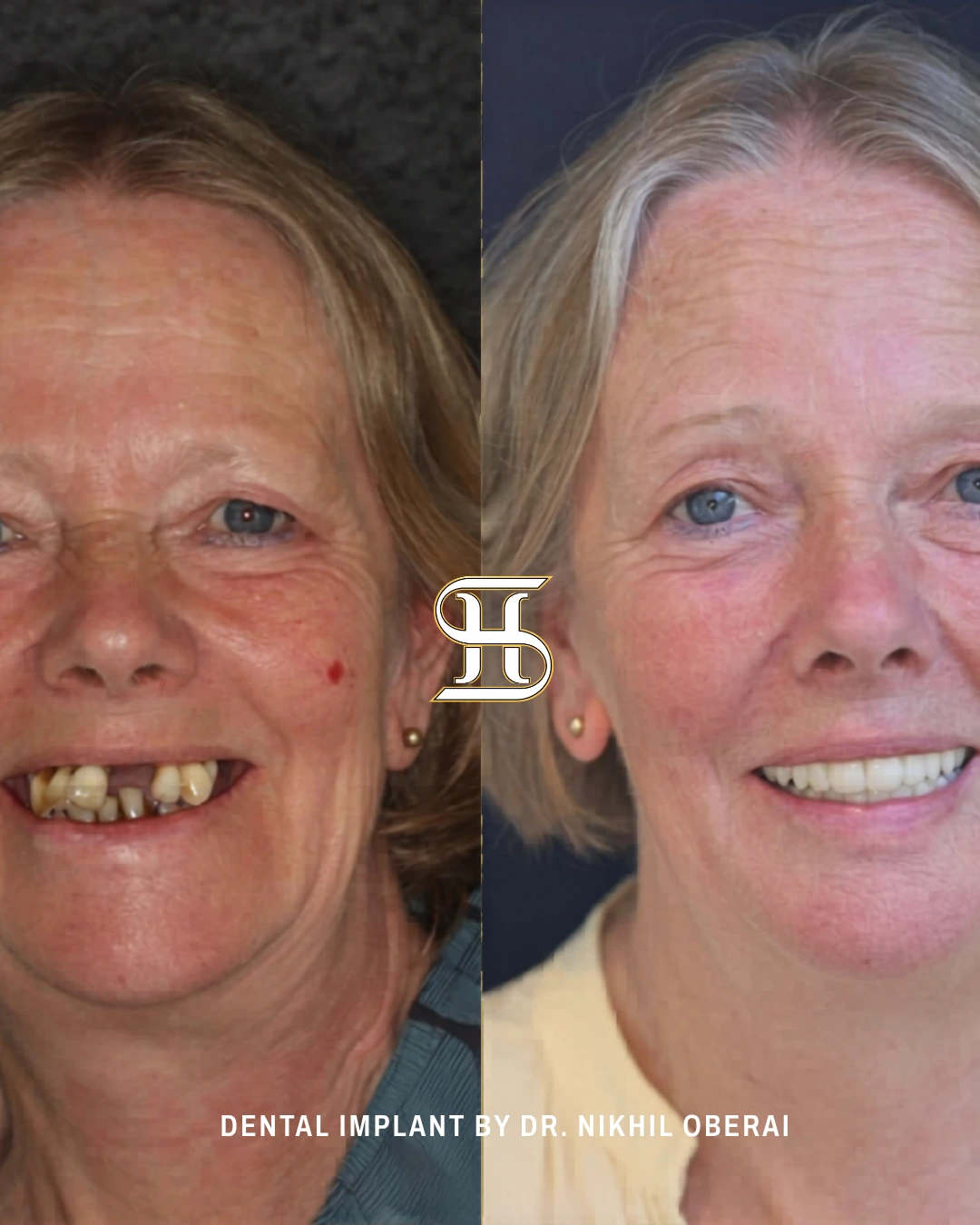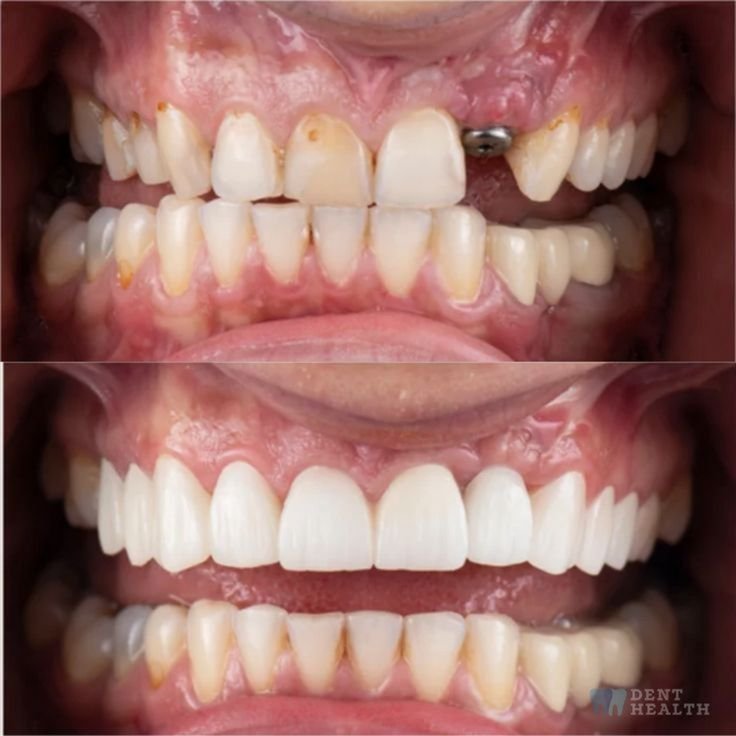

Composite bonding and porcelain veneers can both fix chipped, gappy or uneven front teeth, but they suit different people. Bonding is tooth-coloured resin added in a single visit, usually with little or no drilling, and starts from £325 per tooth at Heritage Smile Group. Veneers are thin ceramic shells made in a laboratory over two or three appointments, need a small amount of enamel removed, and start from £750 per tooth. Bonding typically lasts 5 to 7 years before it needs refinishing, while veneers often last 10 to 15 years or more.
You usually notice it in photos first. A chip on a front tooth, a small gap, one tooth that sits a little shorter than its neighbours. Once you’ve seen it, it’s hard to stop seeing it.
Then you start looking into fixes and hit the same fork in the road: composite bonding or veneers?
They can look alike on Instagram, but they work very differently. The right choice depends on what you want to change, how long you want it to last and what you’re comfortable spending. Here’s how to work out which one fits you.
What’s the Difference Between Composite Bonding and Veneers?
Composite bonding
Your dentist applies tooth-coloured resin straight onto the tooth, sculpts it by hand and polishes it to match your natural enamel. It’s usually done in one visit. In most cases no tooth structure is removed, so the treatment is largely reversible.
Porcelain veneers
A veneer is a thin shell of dental ceramic, made in a laboratory and bonded to the front of the tooth. A small amount of enamel is removed first so the veneer sits flush with your other teeth. It typically takes two or three appointments, and because that enamel doesn’t grow back, veneers aren’t reversible.
Composite Bonding vs Veneers at a Glance
| Composite bonding | Porcelain veneers | |
|---|---|---|
| Material | Tooth-coloured resin applied chairside | Dental ceramic made in a laboratory |
| Appointments | Usually one | Typically two to three |
| Tooth preparation | Minimal to none | Small amount of enamel removed |
| Reversible? | Largely reversible | Not reversible |
| How long it lasts | Typically 5 to 7 years before refinishing | 10 to 15 years or more |
| Stain resistance | Good, but can stain over time | Excellent |
| Price at Heritage Smile Group | From £325 per tooth | From £750 per tooth |
When Is Composite Bonding the Better Choice?
- You want to fix a small chip, gap or uneven edge
- You’d rather keep your natural enamel intact
- You want it done in a single visit
- You’re working to a tighter budget
- You’d like to try a change before committing to anything permanent
Find out more about composite bonding in Cheshire.
When Are Veneers the Better Choice?
- You want to change the shape or shade of several teeth at once
- You want a result that lasts as long as possible
- You have deep staining that whitening hasn’t shifted
- You want a colour that stays stable for years
Find out more about porcelain veneers in Cheshire.
How Much Do Composite Bonding and Veneers Cost in Cheshire?
At Heritage Smile Group, composite bonding starts from £325 per tooth and porcelain veneers from £750 per tooth. Your final price depends on how many teeth are treated and what each one needs, so you’ll get a written plan after your consultation.
You can spread the cost with Tabeo. See our dental finance options or the full list of dental fees.
What to Know Before You Decide
Whiten first if you’re planning to
Neither bonding nor veneers change colour once they’re in place. If you’d like a brighter smile, it usually makes sense to have teeth whitening first, so the new work can be matched to your new shade.
Bonding needs a little looking after
Composite can pick up stains from coffee, tea and red wine, and the edges may need polishing or refinishing after a few years. That’s routine maintenance rather than a fault.
Crooked teeth may need straightening first
If the real issue is crowding or rotated teeth, covering it up can mean removing more tooth than you need to. Straightening with Invisalign first, then finishing with a little bonding, is often the gentler route.
Plenty of smiles use both
Sometimes the best result mixes treatments, such as veneers on the most visible teeth and bonding elsewhere. That’s what a smile makeover plan is for.
Where Can I Get Composite Bonding or Veneers in Cheshire?
Our cosmetic work is led by Dr Natasja Kashyap, who holds an MSc in Fixed and Removable Prosthodontics. You can be treated at either of our practices:
- The Croft Dental & Implant Practice, Wilmslow: composite bonding in Wilmslow and porcelain veneers in Wilmslow
- Brunner Court Dental & Implant Practice, Northwich: composite bonding in Northwich and porcelain veneers in Northwich
Not sure which is closer? Our contact page has both addresses and maps.
Frequently Asked Questions About Composite Bonding and Veneers
Is composite bonding cheaper than veneers?
Yes. At Heritage Smile Group, composite bonding starts from £325 per tooth, while porcelain veneers start from £750 per tooth.
How long does composite bonding last compared with veneers?
Composite bonding typically lasts 5 to 7 years before it needs refinishing. Porcelain veneers often last 10 to 15 years or more.
Do veneers damage your natural teeth?
Porcelain veneers need a small amount of enamel removed from the front of the tooth so they sit flush. Because enamel doesn’t grow back, veneers aren’t reversible. Composite bonding usually needs little or no enamel removal.
Can composite bonding be done in one appointment?
Usually, yes. Composite bonding is normally completed in a single visit, whereas porcelain veneers typically take two to three appointments.
Can you whiten composite bonding or veneers?
No. Whitening gel doesn’t change the colour of composite resin or porcelain. Patients who want whiter teeth usually have whitening first so the bonding or veneers can be matched to the new shade.
Still not sure which way to go? That’s exactly what a consultation is for. Book online in Wilmslow, book online in Northwich, or get in touch and we’ll help you decide.