Tooth Extractions in Cheshire

When a tooth cannot be saved, removal is sometimes the most sensible step for your long-term oral health. Every extraction at Heritage Smile Group is carried out carefully and with your comfort as the priority, and is always followed by an honest conversation about your tooth replacement options.

No One Wants to Lose a Tooth. But Sometimes It Is the Right Decision.

The decision to remove a tooth is never taken lightly at Heritage Smile Group. Our clinicians will always explore whether a tooth can be saved before recommending extraction, and in many cases a root canal treatment, crown, or other restorative approach will be the better course of action.

But there are situations where extraction is genuinely the most appropriate choice. A tooth that is too badly decayed to restore. A tooth that has been fractured in a way that cannot be repaired. A tooth that has been so severely affected by gum disease that the supporting bone can no longer hold it. A tooth that is causing problems for neighbouring teeth or that needs to be removed as part of an orthodontic plan. In all of these situations, removing the tooth is the right clinical decision and the one that serves the patient’s long-term health best.

What matters when extraction is necessary is that it is carried out with care, that the patient understands why the decision has been made, and that there is a clear conversation about what comes next. A missing tooth is not the end of the story. At Heritage Smile Group, the extraction conversation is always followed by a discussion about replacement options, because leaving a gap unfilled carries its own clinical consequences that are important to understand.

The Situations That Make Extraction the Appropriate Course of Action

Severe Decay

When decay has progressed so far into a tooth that there is insufficient healthy tooth structure remaining to support a filling or crown, and when root canal treatment is not viable or has already failed, extraction removes the source of infection and prevents it from spreading to the surrounding bone and neighbouring teeth.

Irreparable Fracture

Teeth can fracture as a result of trauma, biting on something unexpectedly hard, or structural weakness caused by large existing restorations. Fractures that extend below the gum line or through the root of the tooth often cannot be repaired and extraction is the most appropriate response.

Advanced Gum Disease

In cases of severe periodontitis where the bone supporting a tooth has been so significantly reduced that the tooth is loose or at risk of becoming loose, extraction prevents the ongoing infection and inflammation that the failing tooth is contributing to and clears the way for a more stable long-term solution.

Impacted Wisdom Teeth

Wisdom teeth that do not have sufficient space to erupt fully can become partially or fully impacted, trapping food and bacteria, causing recurrent infection, and in some cases damaging the neighbouring molar. Where repeated infection or other complications occur, extraction of the wisdom tooth is typically recommended.

Orthodontic Treatment

In some orthodontic cases where there is significant crowding and insufficient space for teeth to move into correct alignment, planned extractions create the space needed for treatment to achieve the intended result. This is always a planned, considered decision made as part of a broader orthodontic assessment.

Failed or Non-Restorable Tooth

A tooth that has already had significant treatment over its lifetime, including multiple restorations, root canal treatment, and crown placement, can sometimes reach a point where further treatment is no longer viable or predictable. In these situations extraction and replacement with a more stable long-term solution such as a dental implant is the better clinical path.

How to Look After the Extraction Site

Following aftercare instructions carefully in the period after an extraction is the most important thing you can do to ensure the socket heals well and complications are avoided.

  • In the first 24 hours: Bite on the gauze pad provided for 30 to 45 minutes after leaving the practice. Avoid rinsing your mouth vigorously during the first 24 hours, as this can dislodge the forming clot. Avoid hot food and drinks until the anaesthetic has fully worn off. Avoid alcohol and smoking in the first 24 hours at minimum. Take any prescribed pain medication as directed, or manage discomfort with over-the-counter pain relief such as ibuprofen or paracetamol as appropriate.
  • In the days that follow: Gentle warm salty water rinses can begin from 24 hours after the extraction, which help to keep the socket clean and promote healing. Eat soft foods and avoid chewing on the extraction side where possible. Maintain your normal brushing routine, taking care to be gentle around the extraction site. Avoid prodding the socket with your tongue or fingers.
  • Signs to watch for: Some swelling, bruising, and mild discomfort in the days following an extraction are completely normal. These typically resolve within a few days. If you experience increasing pain after the first two to three days rather than reducing pain, notice an unpleasant taste or smell, or feel that the socket looks empty rather than containing a dark clot, contact the practice as these can be signs of dry socket (alveolar osteitis), which requires treatment.
  • When to contact us: Call either practice if you have bleeding that does not stop with gentle pressure, increasing rather than decreasing pain after the first two days, signs of infection including significant swelling, fever, or discharge, or any other concern about how the extraction site is healing.

When a Surgical Approach Is Needed

Most extractions are straightforward procedures that can be completed under local anaesthetic in a single appointment. Some teeth require a more surgical approach.

Impacted wisdom teeth, teeth with curved or multiple roots, teeth that have broken off at the gum line, and teeth that have fused to the surrounding bone through a process called ankylosis may all require a surgical extraction. This typically involves making a small incision in the gum tissue to improve access to the tooth, and sometimes the removal of a small amount of surrounding bone or the sectioning of the tooth into pieces for easier removal.

Surgical extractions are carried out under local anaesthetic in the same way as standard extractions. The procedure takes longer and the recovery period may involve more post-operative swelling and discomfort, but the experience is typically much more manageable than patients anticipate.

Where the complexity of a surgical extraction is beyond what can be comfortably managed in a practice setting, or where a patient’s medical history warrants a different approach, referral to an oral surgeon or a hospital setting may be recommended. The clinician will always be transparent about this assessment and will ensure any referral is made promptly and with full supporting information.

A Missing Tooth Should Not Stay Missing

Losing a tooth is significant, and the decision about how to replace it is one worth taking seriously. Leaving a gap unfilled for an extended period carries clinical consequences that many patients are not aware of.


Bone loss

The jawbone at the site of a missing tooth begins to resorb because it is no longer receiving the stimulation provided by a tooth root. This process begins within months of extraction and continues progressively over time. The longer the gap is left, the less bone remains at the site, which can limit the options for replacement and complicate future implant placement.

The teeth adjacent to a gap and the tooth opposing it will begin to drift into the space over time. This can affect the bite, create new alignment issues, and make future restoration more complex.

Depending on the position of the extracted tooth, eating and speaking may be affected, particularly where a molar has been removed that was doing significant work in the bite.

Understanding these consequences makes the case clearly for prompt consideration of replacement rather than indefinite deferral. The options available depend on the position and number of missing teeth, the quality and volume of the remaining bone, and the patient’s preferences and budget.

Not Sure Which Treatment Is Right for You?

Make an Enquiry

Contact Form SIDE

#SmileWall

Your Tooth Replacement Options

Dental Implants

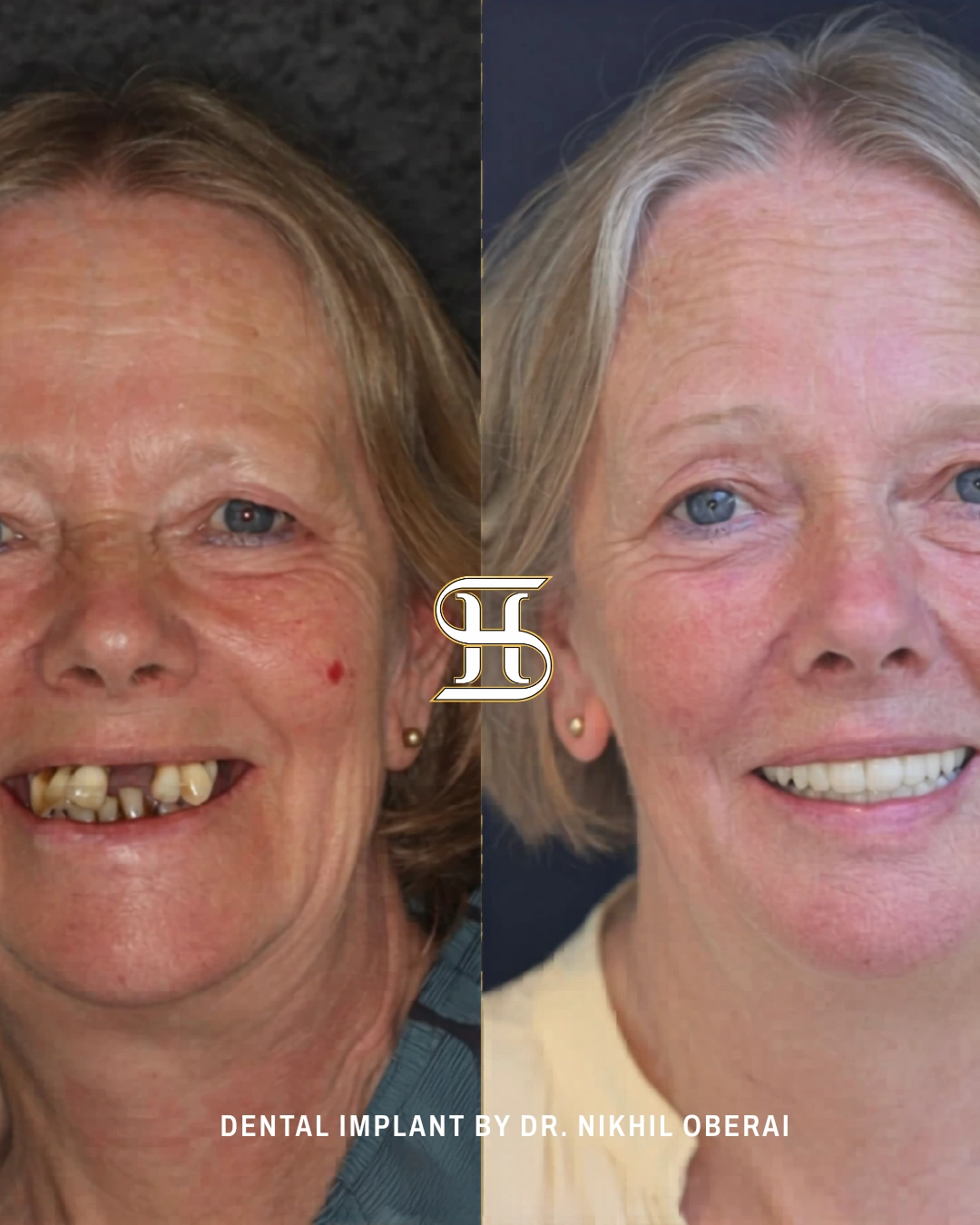
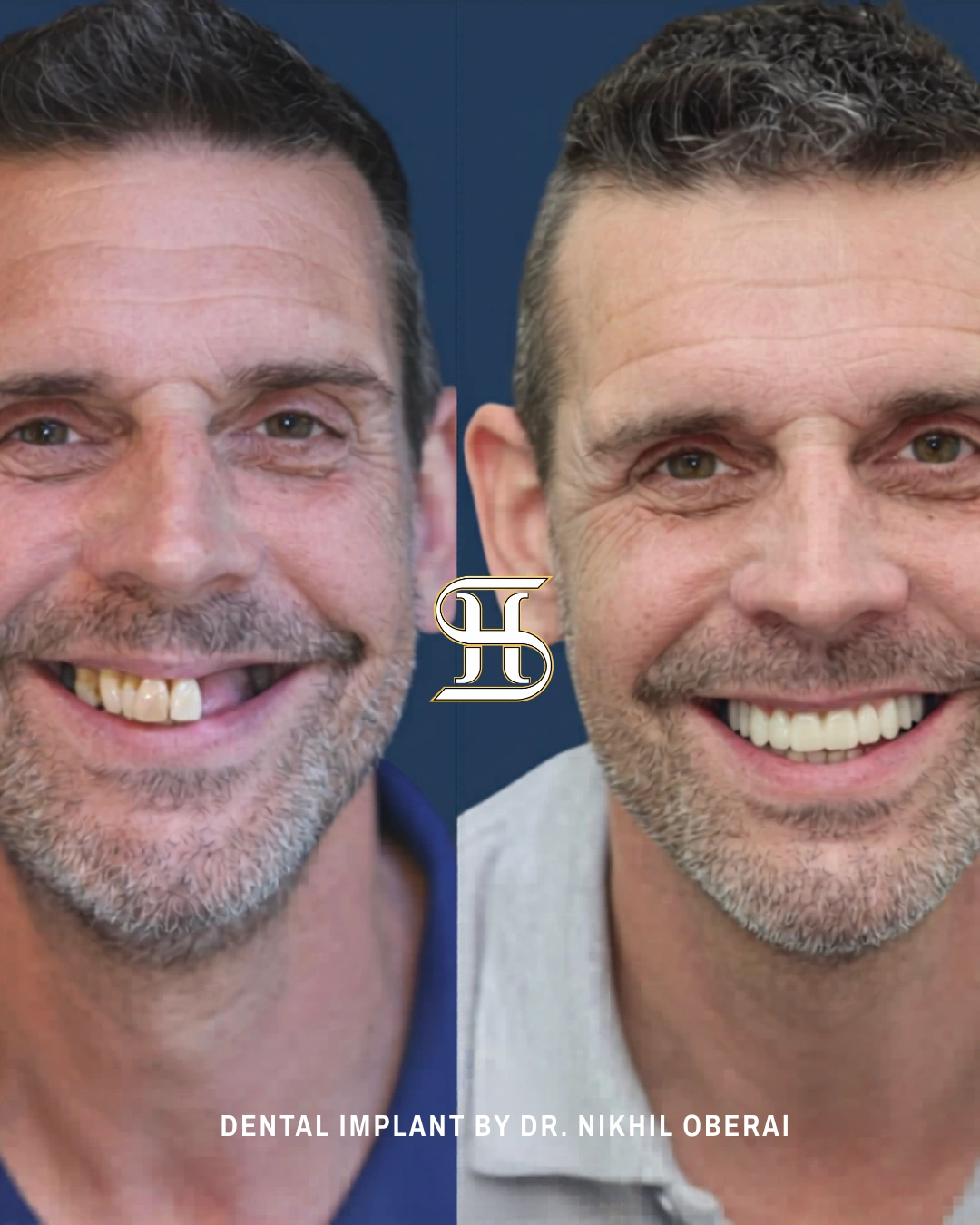
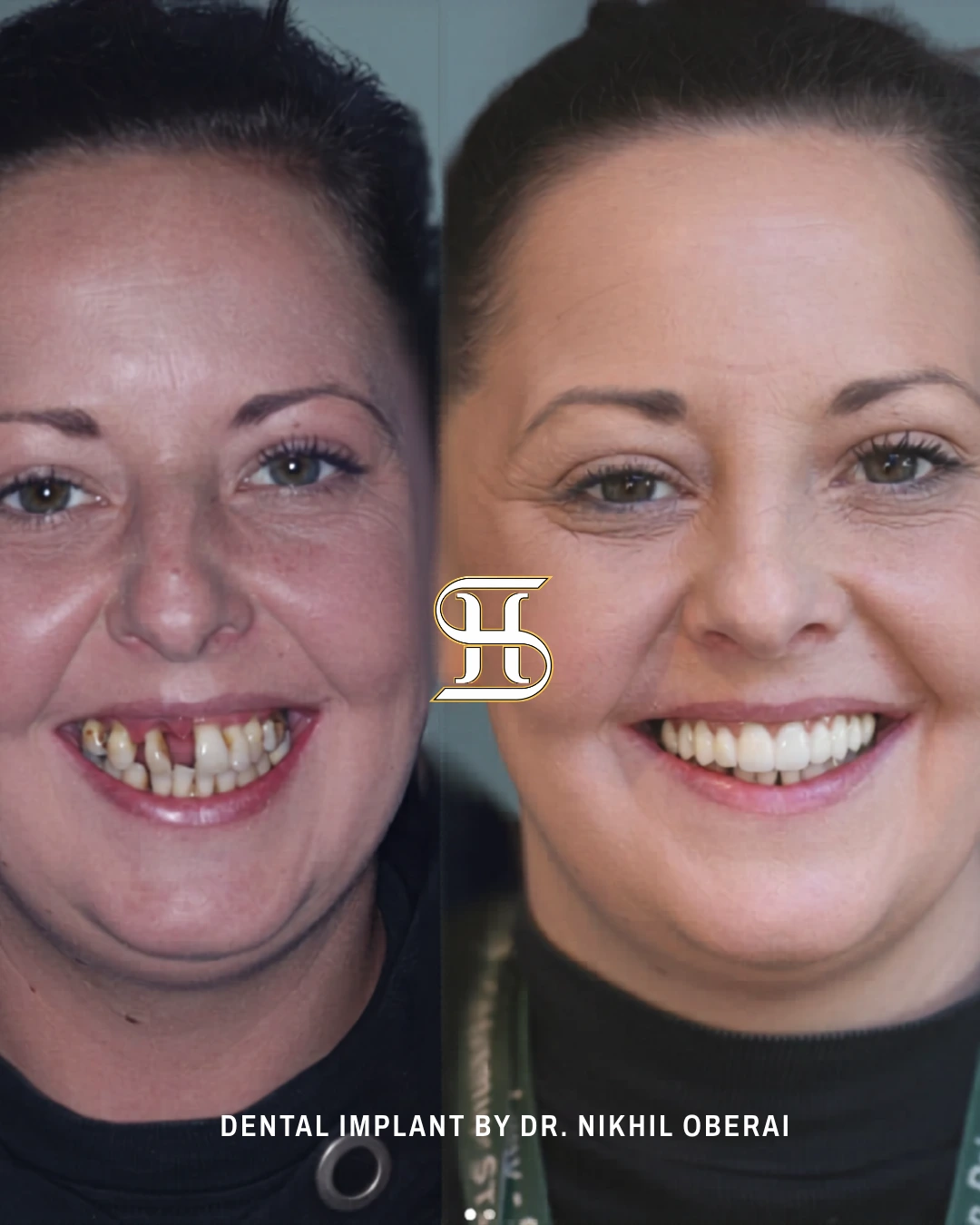
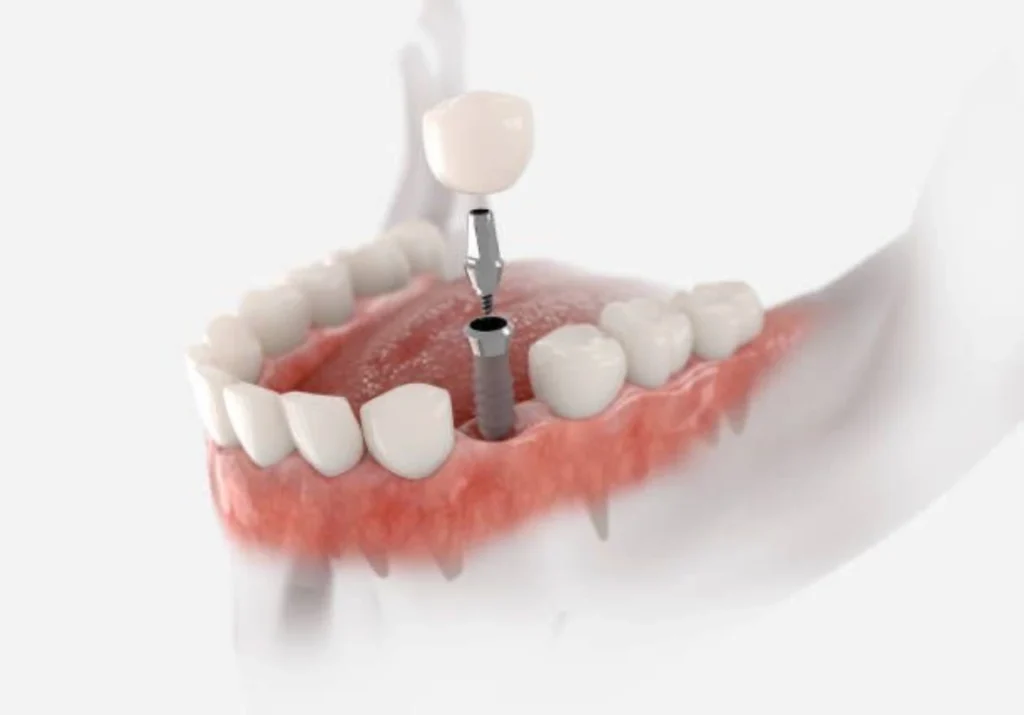
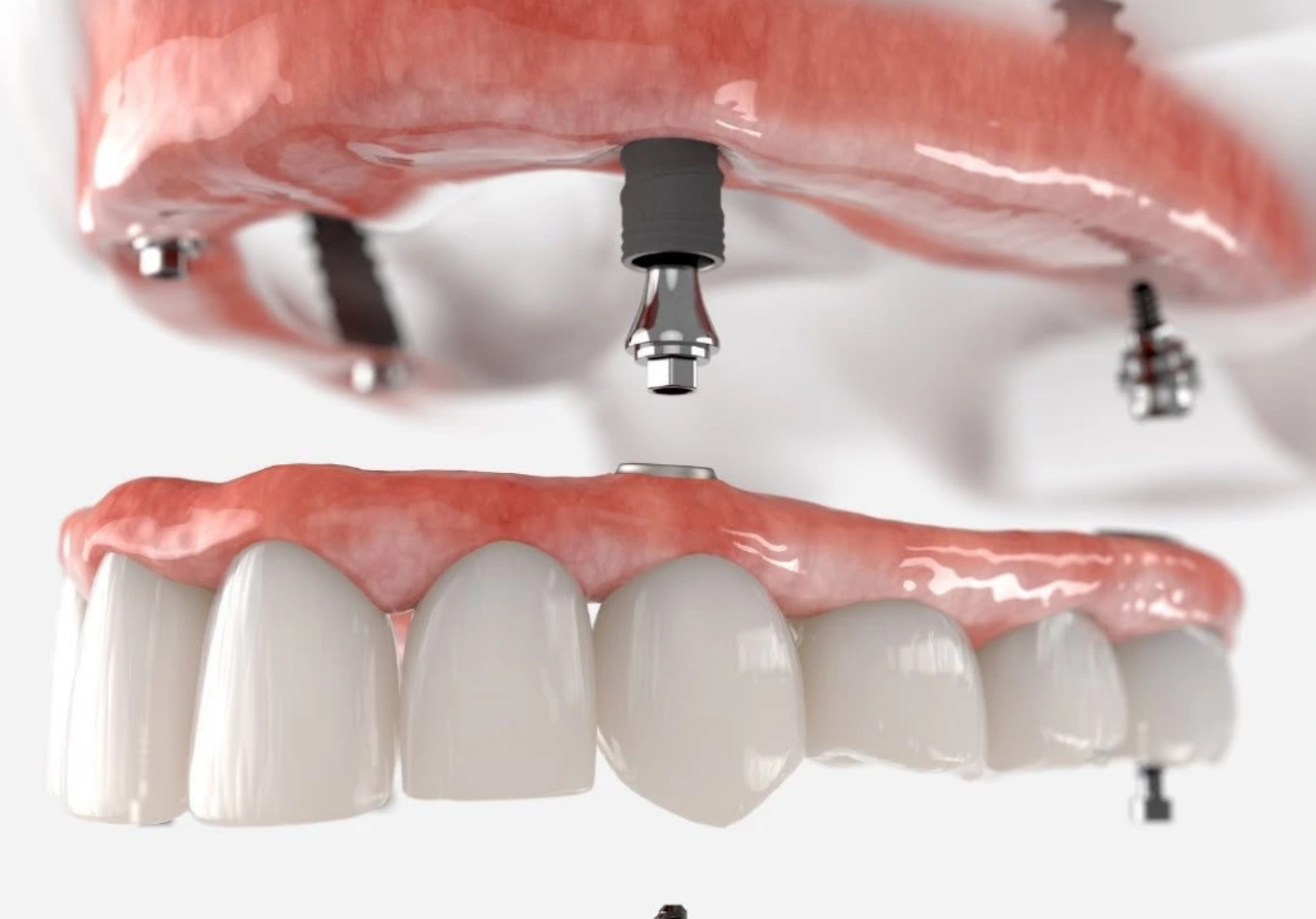
The gold standard for replacing a missing tooth. An implant replicates the function of a natural root, preserves the bone, and supports a crown that looks and functions like the natural tooth.

Implant Retained Bridge

For patients missing two or three consecutive teeth, an implant retained bridge provides a fixed, permanent solution anchored by two implants without affecting the adjacent healthy teeth.

Conventional Bridge

A fixed restoration supported by crowns placed on the adjacent teeth. A well-established solution with a long track record, though it requires permanent alteration of the supporting teeth.

Dentures

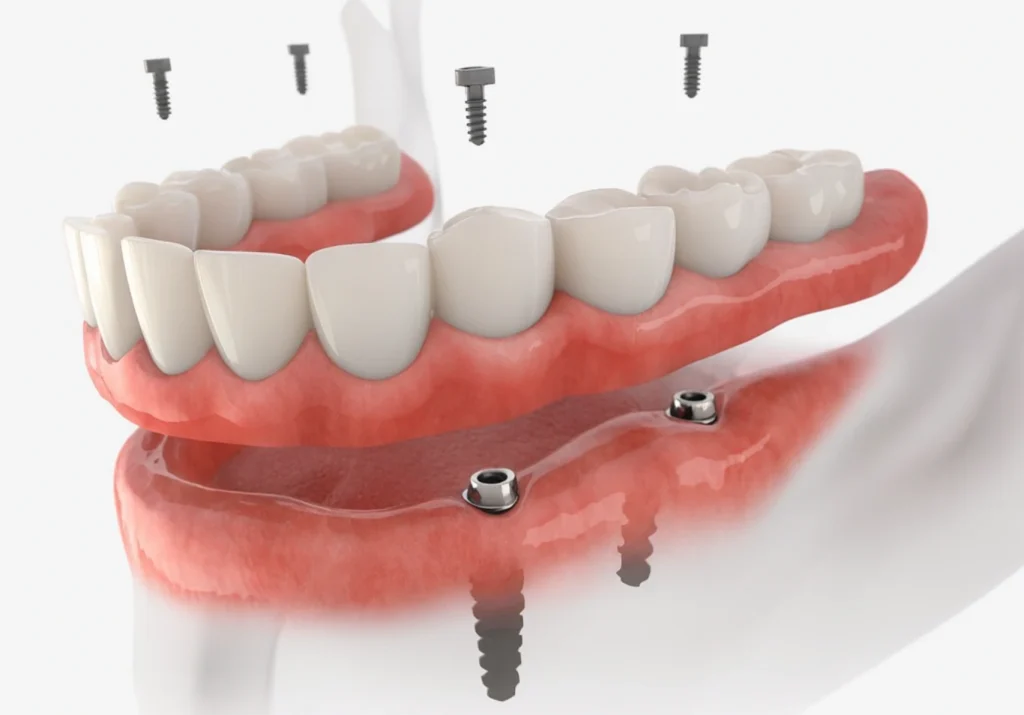
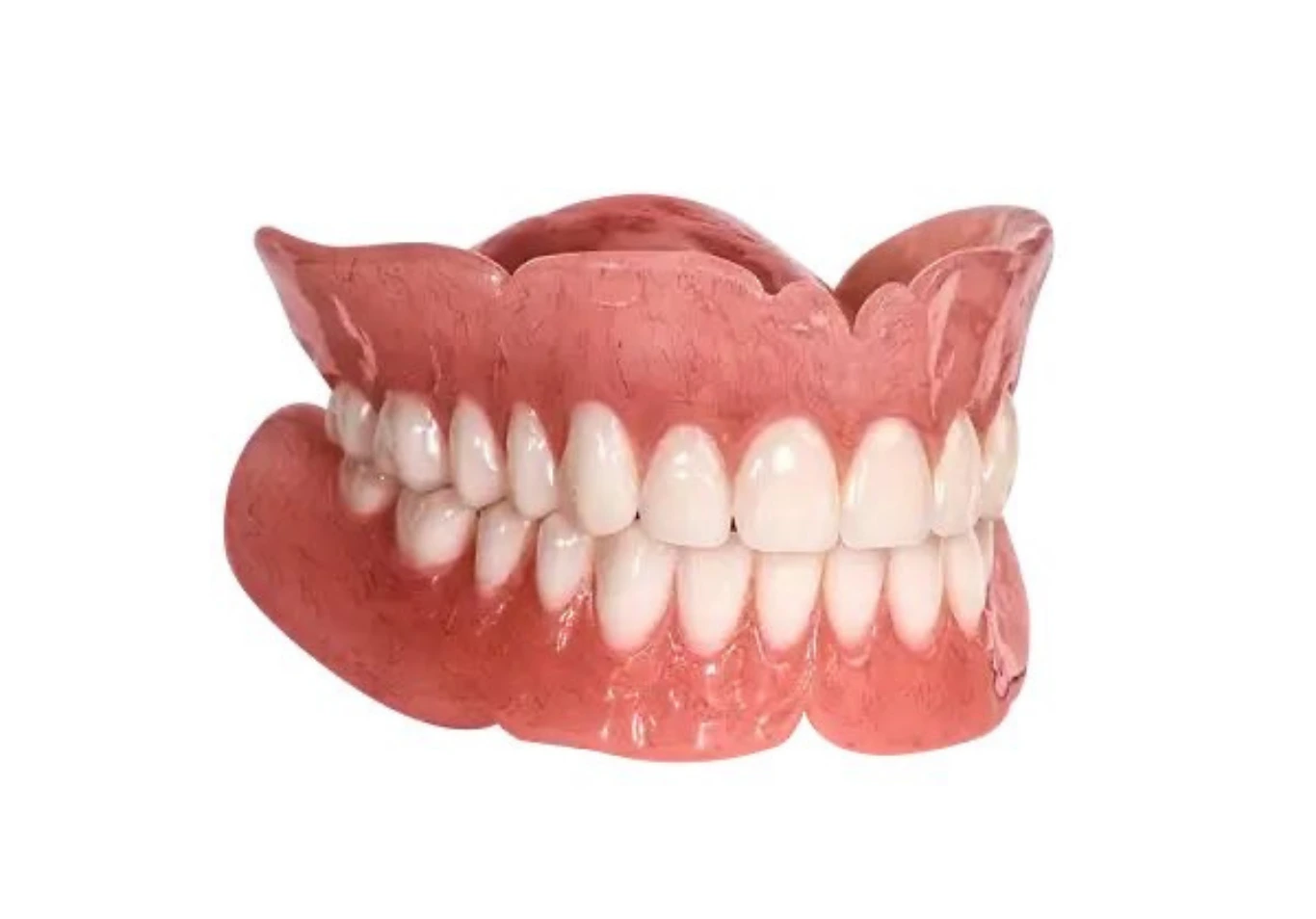
A removable solution for patients with multiple missing teeth or for whom implants are not currently appropriate. Modern dentures are significantly better fitting and more comfortable than older generations of the appliance.

Wisdom Tooth Removal at Heritage Smile Group

Wisdom teeth are the last teeth to erupt, typically appearing between the ages of 17 and 25. Many people do not have sufficient space in their jaw for wisdom teeth to erupt fully, leading to impaction and the complications that come with it.

Not all wisdom teeth need to be removed. Wisdom teeth that have fully erupted in a healthy position, that can be cleaned effectively, and that are not causing problems to neighbouring teeth can often be monitored and left in place. The decision to remove a wisdom tooth is based on a clinical assessment of the individual tooth and the problems it is causing or is likely to cause.

Where wisdom tooth removal is recommended at Heritage Smile Group, the clinician will explain clearly why removal is the appropriate course of action, what the procedure will involve, and what the recovery period looks like. For straightforward wisdom tooth extractions, the procedure is carried out in practice under local anaesthetic. For more complex cases, referral to an oral surgeon may be recommended.

What Patients Say About Their Experience

 “I had been putting off having a tooth removed for months because I was dreading the procedure. When I finally came in the whole experience was completely different to what I had imagined. The clinician was calm and clear, the anaesthetic worked brilliantly, and I genuinely did not feel any pain. I was annoyed with myself for waiting so long.”

How Much Does Tooth Extraction Cost?

We know that cost is one of the first things on most patients’ minds when considering tooth removal, and we think that is a completely reasonable place to start. Treatment is a meaningful investment and you deserve to know what you are getting into before you commit to anything.

At Heritage Smile Group, every patient receives a written treatment plan with a full, itemised cost breakdown before any treatment begins. There are no hidden extras, no charges added after the fact, and no pressure to proceed before you are ready.

Finance options are available across implant, cosmetic, and orthodontic treatments, including 0% finance on selected plans, so the cost can be spread over manageable monthly payments if that works better for you.

For a full breakdown of our dental extraction fees and every other treatment we offer, visit our dedicated fees page.

Register with Heritage Smile Group. 2 Locations Across Cheshire

We are actively welcoming new patients at both Heritage Smile Group practices in Cheshire. Whether you are new to the area and need to register with a dentist, looking for a higher standard of care than you have been receiving, or have a specific treatment in mind that your current practice does not offer, we would be genuinely glad to welcome you.

When you join us as a new patient, here is what you can expect:

Both practices welcome adults and children, new arrivals to the area, and patients who simply want a reliable local dentist they can trust.

Questions Patients Ask About Dental Extractions

The extraction is carried out under local anaesthetic and should not be painful during the procedure. You will feel pressure and movement as the tooth is loosened and removed, which is completely normal, but not pain. If you feel pain at any point during the procedure, raise your hand and the clinician will stop immediately and ensure the area is fully numb before continuing. Post-operative discomfort in the days following the extraction is normal and is managed with over-the-counter pain relief in most cases.

Most patients find that the discomfort following a straightforward extraction reduces significantly within two to three days and that they feel largely back to normal within a week. Surgical extractions involving impacted teeth may involve a longer recovery period with more significant swelling for the first few days. The clinician will give you a realistic expectation of recovery at your appointment based on the specific procedure.

Soft foods are recommended for the first few days following an extraction, avoiding chewing on the extraction side where possible. Avoid hot food and drinks until the anaesthetic has fully worn off. Cold foods such as ice cream can be soothing in the first day or two. As the socket heals you can gradually return to your normal diet.

Dry socket occurs when the blood clot that forms in the extraction socket is dislodged or dissolves before healing is complete, leaving the bone exposed. It is more common following lower wisdom tooth extractions and in patients who smoke. Symptoms include increasing pain from two to three days after the extraction and sometimes an unpleasant taste or smell. Avoiding vigorous rinsing, smoking, and drinking through straws in the days following extraction reduces the risk. If dry socket develops it can be treated at the practice and typically resolves within a few days of treatment.

 The timing of implant placement after extraction depends on several clinical factors including the reason for the extraction, the health of the surrounding bone, and the individual patient’s healing. In some cases an implant can be placed immediately at the time of extraction. In others a healing period of several weeks to months is recommended before implant placement. Dr Nikhil Oberai will advise on the appropriate timing at your consultation.

 Tell us when you book your appointment. We will take your anxiety into account in how we manage your appointment, ensure you have enough time to ask all your questions before anything begins, and will not proceed until you feel ready. Conscious sedation is available for patients with significant dental anxiety who would find treatment more manageable in a relaxed, semi-conscious state.

 Replacement is not compulsory but it is strongly recommended for most patients. Leaving a gap unfilled allows the surrounding bone to resorb, the adjacent teeth to drift, and the opposing tooth to over-erupt. These changes can complicate future treatment and affect the bite. The clinician will explain the implications of not replacing the tooth and the options available so you can make a fully informed decision.

Make an enquiry

Contact Form POP