
Dental Hygiene in Cheshire
Professional cleaning that goes further than your toothbrush can. Regular hygiene appointments keep your gums healthy, your teeth cleaner, and your smile looking its best between check-ups.
- Professional Scale and Polish
- Gum Disease Prevention and Treatment
- Personalised Home Care Advice
- Clinics in Wilmslow and Northwich
The Appointment Most People Undervalue Until They Experience It
Ask most patients what they think a hygiene appointment involves and they will say a clean and a polish. They are not wrong, but they are describing about half of what actually happens, and the half they are missing is arguably the more important one.
Professional dental hygiene is not simply a more thorough version of brushing your teeth at home. It removes deposits from the teeth and gum margins that no toothbrush, regardless of how well used, can touch. It identifies and addresses the early stages of gum disease before they progress into something significantly more difficult to manage. It removes staining that has built up over months and that whitening strips and sensitivity toothpastes cannot shift. And it provides personalised, specific guidance on the aspects of your home care routine that need attention based on what the hygienist actually finds in your mouth, not generic advice that applies to everyone.
Patients who attend regular hygiene appointments consistently have better long-term oral health outcomes than those who rely on check-ups alone. The relationship between gum health and general health is also increasingly well evidenced, with links between gum disease and conditions including cardiovascular disease, diabetes, and complications in pregnancy. A hygiene appointment is not a cosmetic luxury. It is a clinical service with meaningful health implications.
At Heritage Smile Group, hygiene appointments are available at both our Wilmslow and Northwich practices. Our hygienists work closely with the clinical team to ensure that your hygiene care is co-ordinated with your overall dental treatment plan.
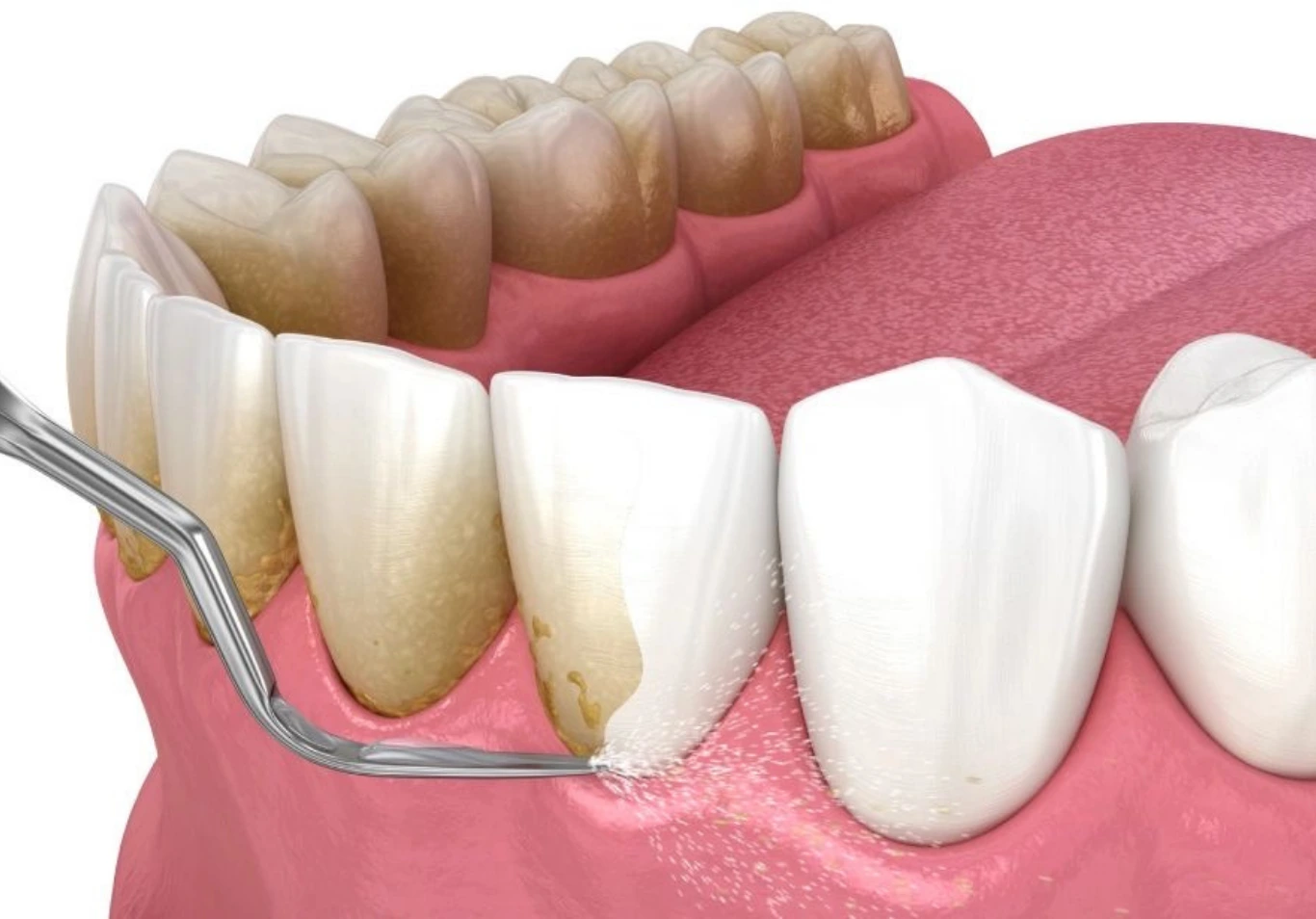
What Actually Happens at a Hygiene Appointment
A hygiene appointment at Heritage Smile Group is structured, thorough, and personalised. Here is what it involves.
A Gum Health Assessment
Before any cleaning begins, the hygienist assesses the health of your gums. This involves checking the depth of the pockets around each tooth, looking for signs of inflammation, recession, or bleeding, and noting any areas of concern. This assessment gives the hygienist a clear picture of your current gum health and guides the focus of the cleaning that follows.
Supragingival Scaling
Supragingival scaling removes the hard deposits, known as calculus or tartar, that have built up on the surfaces of the teeth above the gum line. These deposits cannot be removed by brushing because they are mineralised, meaning they have hardened onto the tooth surface. If left in place they provide a surface for further bacterial plaque to accumulate, contributing to both decay and gum disease over time. Scaling removes them completely.
Subgingival Debridement Where Needed
Where gum pockets are deeper than healthy or where deposits have formed beneath the gum line, the hygienist carries out subgingival debridement, cleaning beneath the gum to remove the bacterial deposits that are causing the gum tissue to remain inflamed. This is the part of hygiene treatment that most directly addresses active gum disease.
Stain Removal and Polish
Once the scaling is complete, a professional polish removes the surface staining that has accumulated on the teeth from food, drink, and other factors. The result is noticeably cleaner, smoother, and brighter teeth. The smooth tooth surfaces left after polishing are also less receptive to new plaque accumulation, which helps maintain the cleanliness between appointments.
Personalised Home Care Advice
The hygienist will advise you on the specific aspects of your home care routine that need attention based on what they have found during the appointment. This is not generic advice about brushing twice a day. It is specific guidance about the areas of your mouth that are accumulating most plaque, the technique that would help you clean them more effectively, and the additional tools, whether interdental brushes, floss, a water flosser, or specific products, that would make the most difference to your individual situation.
Treatment Planning and Referral
If the hygienist identifies any concerns that need clinical attention beyond hygiene care, these are communicated to the dentist and incorporated into your broader treatment plan. Hygiene and dental care at Heritage Smile Group are co-ordinated rather than separate, ensuring a consistent and comprehensive approach to your oral health.
What Gum Disease Actually Is and Why It Matters
Gum disease is the most common chronic inflammatory condition in the UK. It affects the majority of adults to some degree, and for many of them it does so silently, without pain or obvious symptoms, until it has progressed significantly.
Understanding gum disease helps explain why hygiene appointments are so important and why treating it early makes such a meaningful difference to long-term outcomes.
The Two Stages of Gum Disease
- Gingivitis: Gingivitis is the early stage of gum disease, characterised by inflammation of the gum tissue immediately around the teeth. It is caused by bacterial plaque that has not been fully removed from the gum margin by brushing. Gums at this stage may bleed when brushed, appear redder or more puffy than healthy gums, and may be slightly tender. Gingivitis is reversible. With professional cleaning and improved home care, the gum tissue can return to health completely.
- Periodontitis: When gingivitis is left untreated, the inflammation progresses beneath the gum line and begins to affect the bone that supports the teeth. This is periodontitis. At this stage the condition is no longer reversible in the same way. The bone that has been lost does not grow back. The goal of treatment shifts from reversing the disease to halting its progression and preventing further loss. In advanced cases, the teeth can become loose and eventually need to be removed.
The critical point is that the transition from gingivitis to periodontitis is preventable with regular professional cleaning and good home care. The hygiene appointment is the most effective intervention available to keep gum disease in its reversible, early stage or to prevent it from developing at all.
Gum Disease and General Health
The connection between gum disease and general health is increasingly well documented. Chronic gum inflammation has been associated with an elevated risk of cardiovascular disease, stroke, poorly controlled diabetes, adverse pregnancy outcomes, and other systemic conditions. The mouth is not separate from the rest of the body, and the health of the gums has implications that extend well beyond the teeth.
Why Gum Health Comes Before Cosmetic Treatment
At Heritage Smile Group, cosmetic and restorative treatment is always carried out on a foundation of good oral health. This is not just a procedural preference. It is the clinical reason that cosmetic treatments last as long as they should and produce the results they are designed to produce.
Veneers, composite bonding, and cosmetic restorations placed on teeth surrounded by inflamed gum tissue will not look as good as the same treatments placed on teeth with healthy gums. The gum margin is part of the aesthetic picture. Inflamed or receding gums affect how a restoration sits, how it looks at the margin, and how long it remains stable.
Implants placed into the mouth of a patient with active gum disease face a higher risk of the inflammatory process affecting the tissue around the implant, known as peri-implantitis, which is one of the most common causes of implant failure. Ensuring the gum disease is under control before implant placement is a clinical requirement, not a recommendation.
For patients who are planning cosmetic or implant treatment, the hygiene appointment is often the first clinical step in the treatment journey. It brings the gum health to the level required before more advanced work can begin, and it establishes the home care routine that will protect the results of that work long term.
Not Sure Which Treatment Is Right for You?
Make an Enquiry
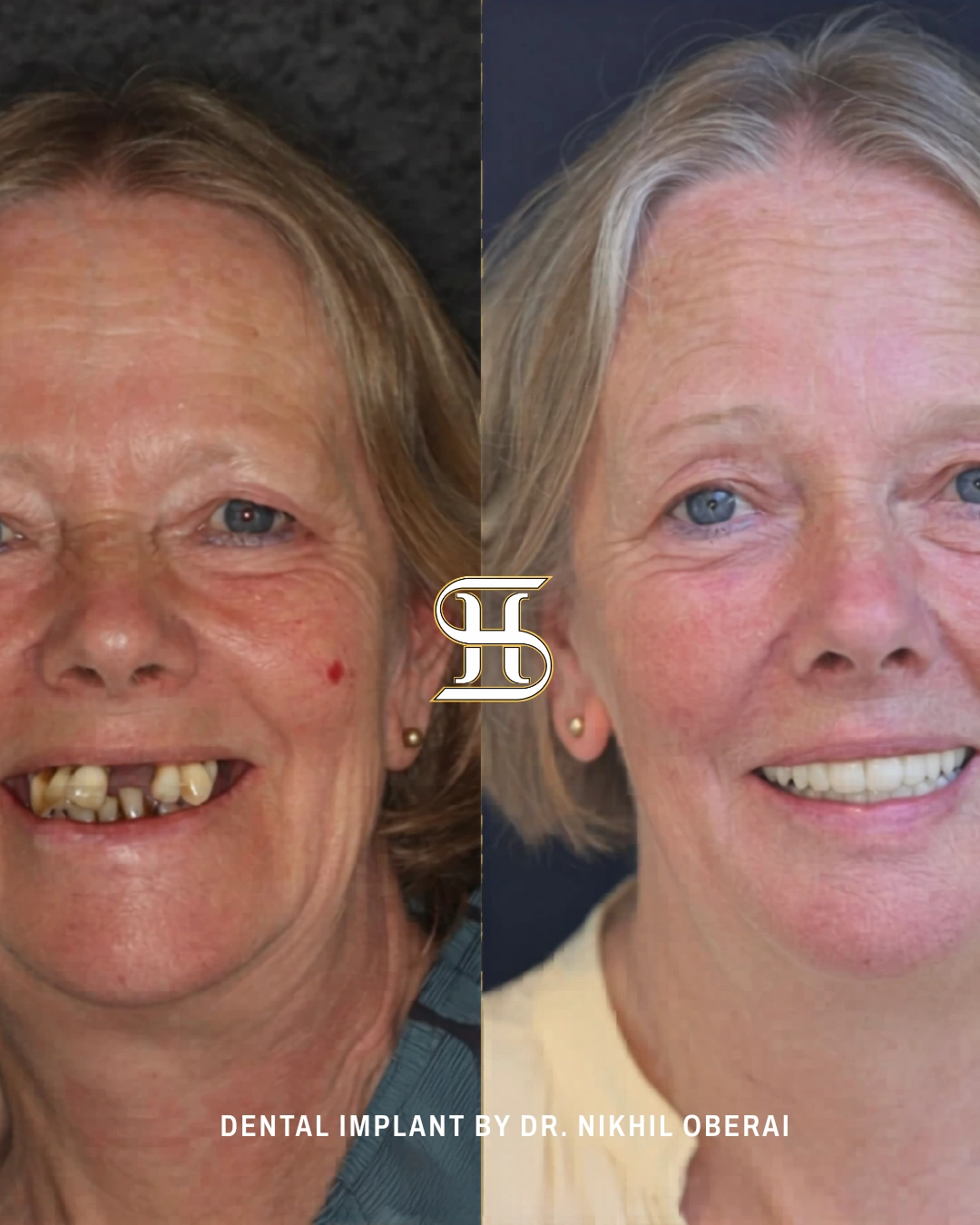
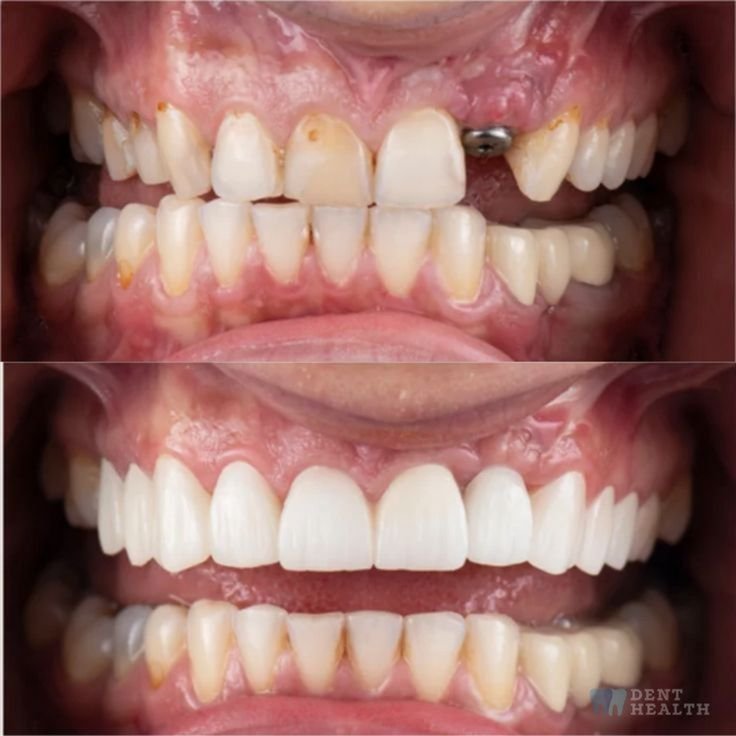
#SmileWall
- Periodontal Treatment
When More Than a Standard Clean Is Needed
For patients with more advanced gum disease, standard hygiene appointments may not be sufficient to bring the condition under control on their own. Periodontal treatment is the clinical management of established gum disease and involves a more intensive programme of deep cleaning, monitoring, and home care support.
Initial Assessment and Treatment Planning
Where significant gum disease is identified, a full periodontal assessment is carried out to map the extent and severity of the condition across the whole mouth. Pocket depths are recorded at multiple sites around every tooth, and the findings are used to design a treatment plan that addresses the areas most in need.
Root Surface Debridement
Root surface debridement is a deeper cleaning procedure that removes bacterial deposits from the root surfaces of the teeth beneath the gum line. It is typically carried out under local anaesthetic for patient comfort and may be completed across multiple appointments depending on the extent of the disease.
Review and Maintenance
Following active periodontal treatment, regular review appointments monitor the response of the gum tissue, assess pocket depth changes, and ensure the disease is being maintained in a stable state. Long-term periodontal maintenance is a lifelong commitment for patients with a history of periodontitis, and the frequency and content of maintenance appointments are tailored to the individual’s needs and risk profile.
- Implant Hygiene
Professional Hygiene for Dental Implants
Patients who have dental implants require professional hygiene care that is specifically adapted for implant surfaces. Standard metal instruments can scratch implant components and disrupt the surface in ways that encourage bacterial adhesion. Our hygienists use implant-safe instruments and techniques, including Airflow where appropriate, to clean effectively around implant components without causing damage.
Peri-implantitis, the inflammatory condition that affects the tissue around implants, is one of the leading causes of implant failure. Regular, properly carried out hygiene appointments are the most effective way to prevent it. If you have implants, regular hygiene care is not optional maintenance. It is an essential part of protecting the investment you have made in your smile.
- Patient Testimonial
What Patients Say About Their Hygiene Appointments
“I used to see hygiene appointments as the least important part of my dental care. I was completely wrong about that. Since starting regular hygiene appointments at Heritage Smile Group my gum health has improved significantly and my teeth consistently look brighter and cleaner than they ever did when I was just relying on brushing. The hygienist is brilliant and the advice she gives me is actually specific to my teeth rather than generic.”
- Dental hygiene cost
How Much Does Teeth Scaling & Polishing Cost?
We know that cost is one of the first things on most patients’ minds when considering teeth scale & polish, and we think that is a completely reasonable place to start. Treatment is a meaningful investment and you deserve to know what you are getting into before you commit to anything.
At Heritage Smile Group, every patient receives a written treatment plan with a full, itemised cost breakdown before any treatment begins. There are no hidden extras, no charges added after the fact, and no pressure to proceed before you are ready.
The most cost-effective way to manage regular hygiene appointments at Heritage Smile Group is our practice plan, which spreads the cost of your routine care over affordable monthly payments and includes discounts on other treatments. Ask the team for details when you book.
For a full breakdown of our dental hygiene fees and every other treatment we offer, visit our dedicated fees page.
- Register with us
Register with Heritage Smile Group. 2 Locations Across Cheshire
We are actively welcoming new patients at both Heritage Smile Group practices in Cheshire. Whether you are new to the area and need to register with a dentist, looking for a higher standard of care than you have been receiving, or have a specific treatment in mind that your current practice does not offer, we would be genuinely glad to welcome you.
When you join us as a new patient, here is what you can expect:
- Full new patient examination including x-rays
- Written treatment plan with itemised costs
- No pressure to commit on the day
- Examination fee waived if you join our practice plan
- Free consultations for implants and Invisalign
Both practices welcome adults and children, new arrivals to the area, and patients who simply want a reliable local dentist they can trust.
- Frequently Asked Questions
Questions Patients Ask About Dental Hygiene
Is a hygiene appointment painful?
For most patients with healthy or mildly inflamed gums, a hygiene appointment is not painful. Some patients with more significant gum inflammation or sensitivity may experience mild discomfort during scaling around the gum margin, which resolves once the cleaning is complete. For patients undergoing deeper cleaning for gum disease, local anaesthetic is used to ensure comfort. If you have concerns about discomfort, mention them when you book and the hygienist will take your sensitivity into account.
How long does a hygiene appointment take?
A standard hygiene appointment at Heritage Smile Group typically takes between 45 and 60 minutes. This allows sufficient time for a proper gum assessment, thorough scaling and polishing, and a meaningful home care discussion. Appointments for patients with more significant gum disease or those requiring more extensive treatment may be longer.
What is the difference between a scale and polish and a hygiene appointment?
A scale and polish refers to the physical process of removing calculus and polishing the teeth. A hygiene appointment encompasses this but also includes a gum health assessment, personalised home care advice, and communication with the dental team about findings. At Heritage Smile Group, hygiene appointments always include the full clinical picture rather than just the physical clean.
Can a hygienist treat gum disease?
Yes. Hygienists are specifically trained in the prevention and non-surgical management of gum disease. For patients with gingivitis, professional cleaning combined with improved home care is often sufficient to resolve the condition. For patients with more advanced periodontitis, the hygienist carries out root surface debridement as part of a structured periodontal treatment programme and provides the ongoing maintenance that keeps the condition stable long term.
Do I need a check-up before a hygiene appointment?
At Heritage Smile Group, new patients are generally seen for a check-up before their first hygiene appointment so the clinical team has a full picture of their oral health. For existing patients, hygiene appointments can be booked independently of check-up appointments. Ask the team when you call and they will advise on the most appropriate order for your situation.
Will my teeth look whiter after a hygiene appointment?
A professional clean removes surface staining that accumulates from food, drink, and lifestyle, which often produces a noticeably brighter appearance. Hygiene treatment does not whiten teeth in the way that professional whitening products do, but many patients find the clean result after a hygiene appointment looks significantly better than their teeth did before. For patients who want to go further, professional whitening can be discussed as a separate treatment.
How do I know if I have gum disease?
Many patients with gum disease have no symptoms at all, particularly in its early stages. The signs that may indicate gum disease include gums that bleed when brushing or flossing, gums that look redder or more swollen than usual, persistent bad breath, and in more advanced stages recession of the gum line or looseness of the teeth. The most reliable way to know the state of your gum health is a professional assessment. If you are concerned about your gum health, book an appointment and the hygienist will carry out a full assessment.
I am pregnant. Should I still have hygiene appointments?
Yes. Pregnancy is actually a time when gum health requires particular attention. Hormonal changes during pregnancy can make the gum tissue more sensitive and more prone to inflammation, a condition sometimes called pregnancy gingivitis. Professional hygiene appointments during pregnancy are safe and are recommended to keep gum health under control during a period when it is more vulnerable than usual.