
Dental Bridges in Cheshire
Hero Subheading: A fixed, natural-looking solution for one or more missing teeth that restores your smile, your bite, and your confidence. Available at our Wilmslow and Northwich practices.
- Fixed, Permanent Tooth Replacement
- Natural-Looking Results
- No Removal Required
- Clinics in Wilmslow and Northwich
What Is a Dental Bridge?
A dental bridge is a fixed restoration used to replace one or more consecutive missing teeth. The replacement tooth, known as the pontic, is supported by crowns placed on the natural teeth on either side of the gap. These supporting teeth are called abutment teeth. The bridge spans the gap, sits flush with the gumline, and functions and looks like natural teeth.
Bridges are permanently cemented in place. Unlike a partial denture, there is nothing to remove and nothing to hold in. Once fitted, the bridge becomes part of your dentition and is maintained in exactly the same way as your natural teeth.
At Heritage Smile Group, all bridges are custom-made from high-quality ceramic or porcelain-fused materials and are shaded to match your surrounding teeth. The result is a restoration that is virtually indistinguishable from the natural teeth around it.
Types of Dental Bridge
Traditional Dental Bridge
The most common type. The pontic is held in place by dental crowns bonded onto the two teeth on either side of the gap. A traditional bridge is a reliable and well-established solution for patients with strong, healthy teeth on both sides of the missing tooth space.
Cantilever Bridge
Used where there is a suitable abutment tooth on only one side of the gap rather than both. This is typically used in areas of the mouth where biting forces are lower, such as the front teeth. Your clinician will confirm whether a cantilever approach is appropriate for your specific situation.
Maryland (Resin-Bonded) Bridge
A more conservative option that uses metal or ceramic wings bonded to the back surfaces of the adjacent teeth rather than full crowns. This preserves more of the natural tooth structure and is often used for replacing front teeth where biting forces are not as significant. Maryland bridges are not suitable for all cases and the clinician will assess whether this is the right option for you.
Implant-Retained Bridge
Where the adjacent teeth are healthy and the patient prefers not to alter them, an implant-retained bridge uses dental implants as the abutments rather than the natural teeth. This is often the preferred option from a clinical standpoint as it preserves the surrounding teeth entirely and anchors the bridge directly into the jawbone. Learn more about our implant-retained bridges at Heritage Smile Group.
The Bridge Treatment Process
- Initial Consultation The clinician examines the gap, the condition of the adjacent teeth, and your bite to determine which type of bridge is most appropriate. X-rays may be taken to assess the condition of the supporting teeth and the underlying bone. All options are explained and a written treatment plan with full costs is provided before any treatment begins.
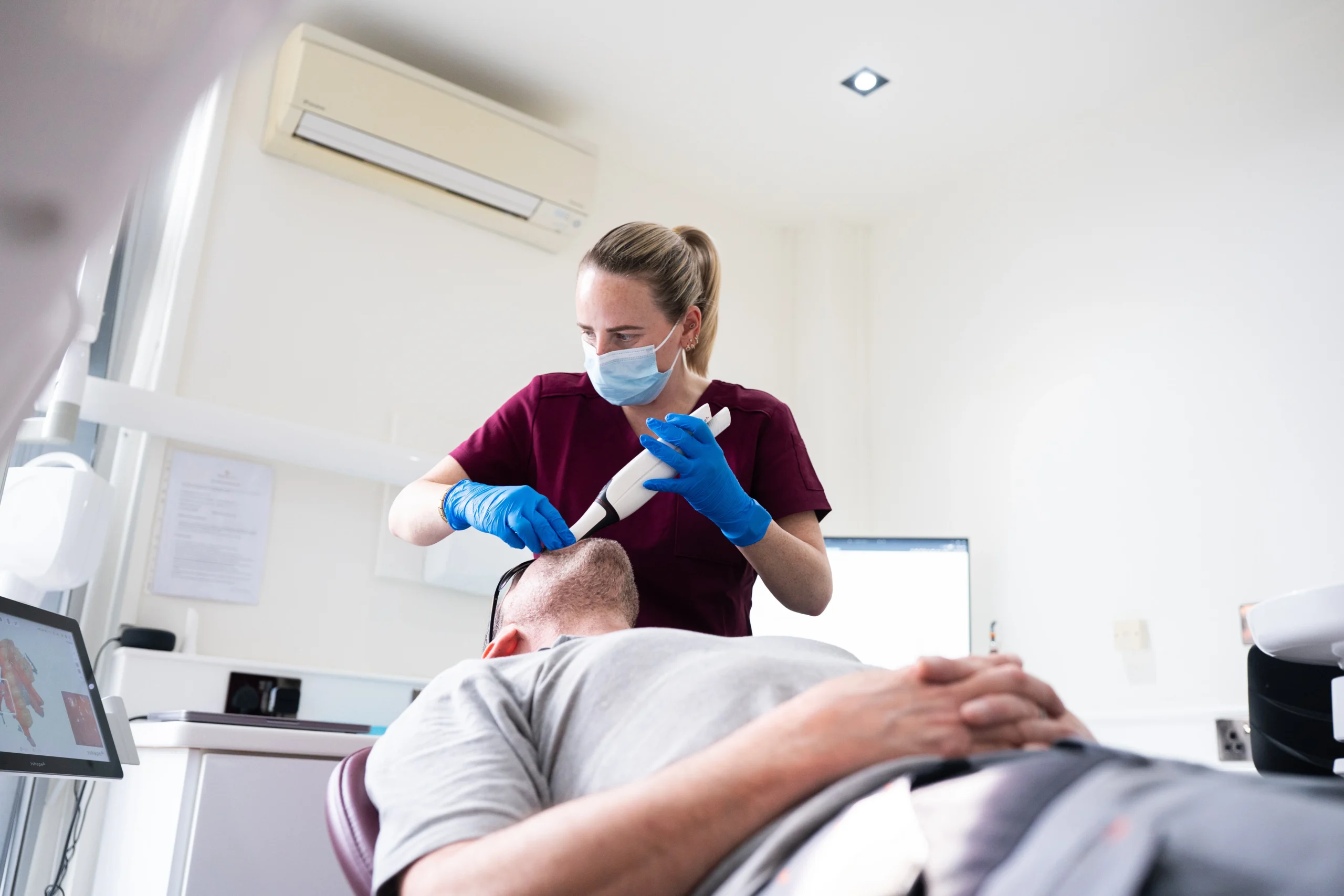
- Preparation of the Abutment Teeth For a traditional bridge, the teeth on either side of the gap are shaped to accommodate the crowns that will support the bridge. This is carried out under local anaesthetic. Impressions or a digital scan of your teeth are taken and sent to our dental laboratory.
- Temporary Bridge While your permanent bridge is being made, a temporary bridge is fitted to protect the prepared teeth and maintain the appearance of your smile.
- Fitting the Permanent Bridge At your second appointment, the temporary bridge is removed and the permanent bridge is checked for fit, bite, and appearance before being permanently cemented. The clinician will make any minor adjustments needed to ensure the restoration sits and functions correctly.
- Aftercare and Maintenance A dental bridge is maintained in the same way as your natural teeth, with regular brushing and check-up appointments. Cleaning under the pontic using dental floss or an interdental brush is particularly important to keep the gumline healthy beneath the bridge. The clinician will show you the correct technique at your fitting appointment.
Not Sure Which Treatment Is Right for You?
Make an Enquiry
#SmileWall
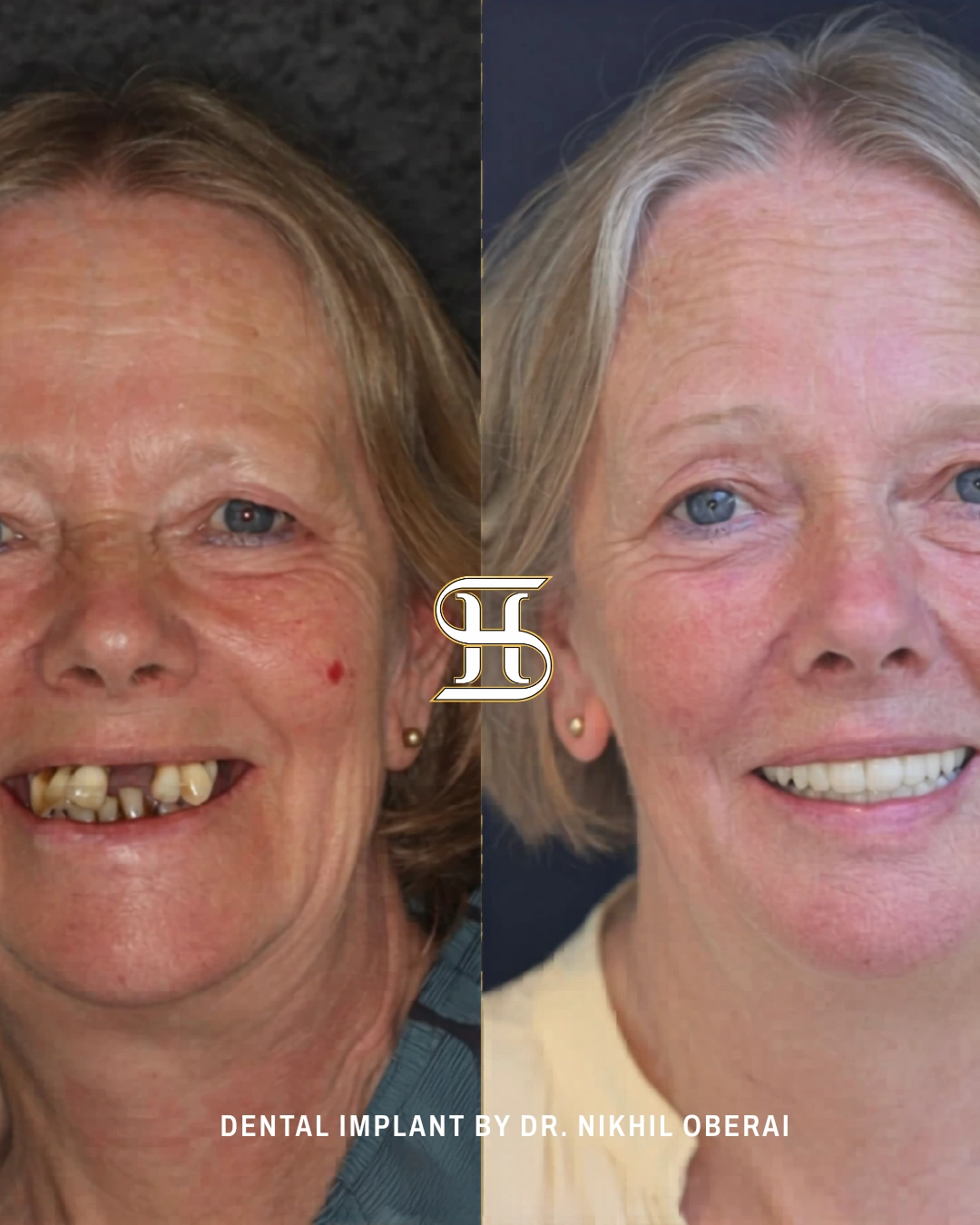
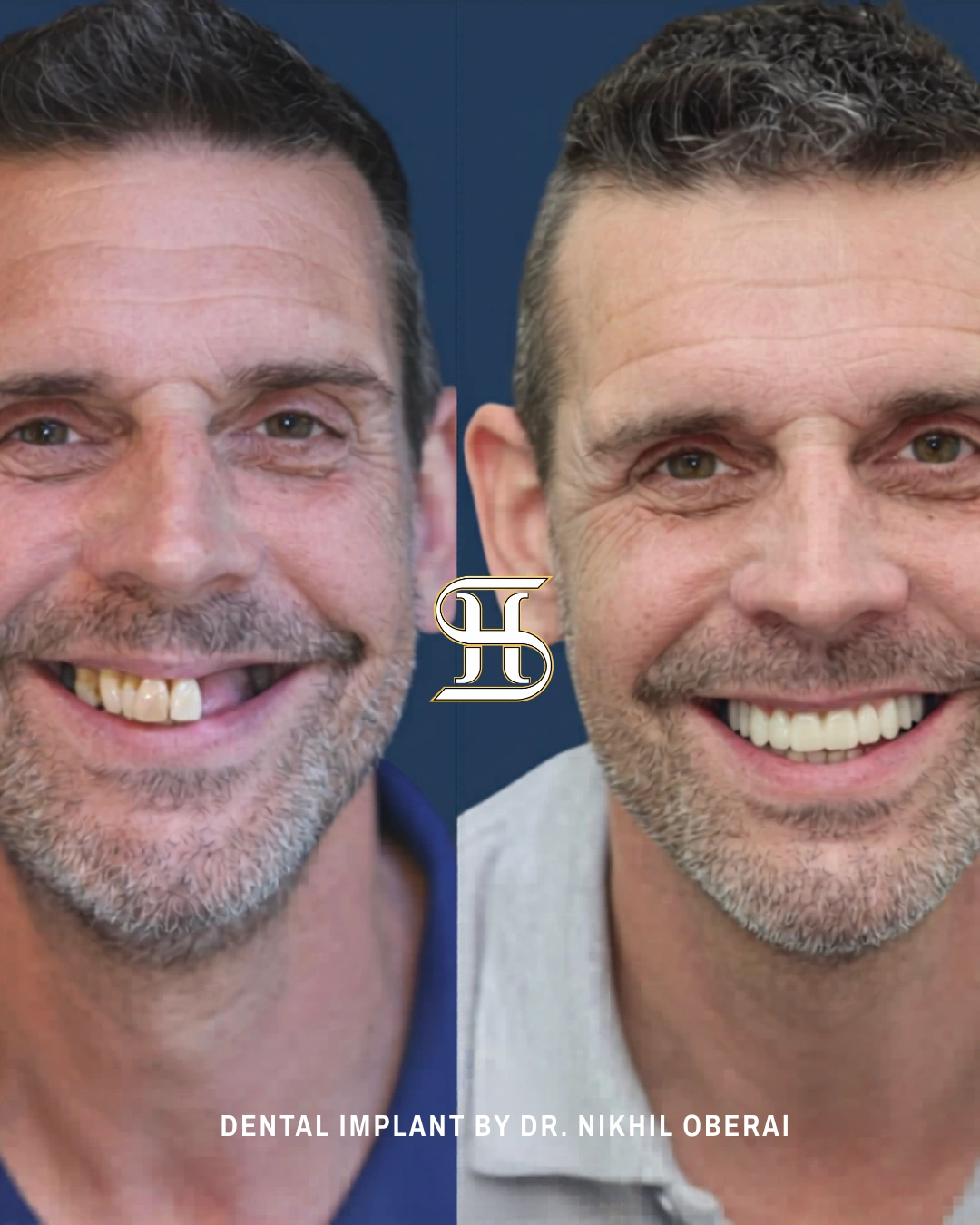
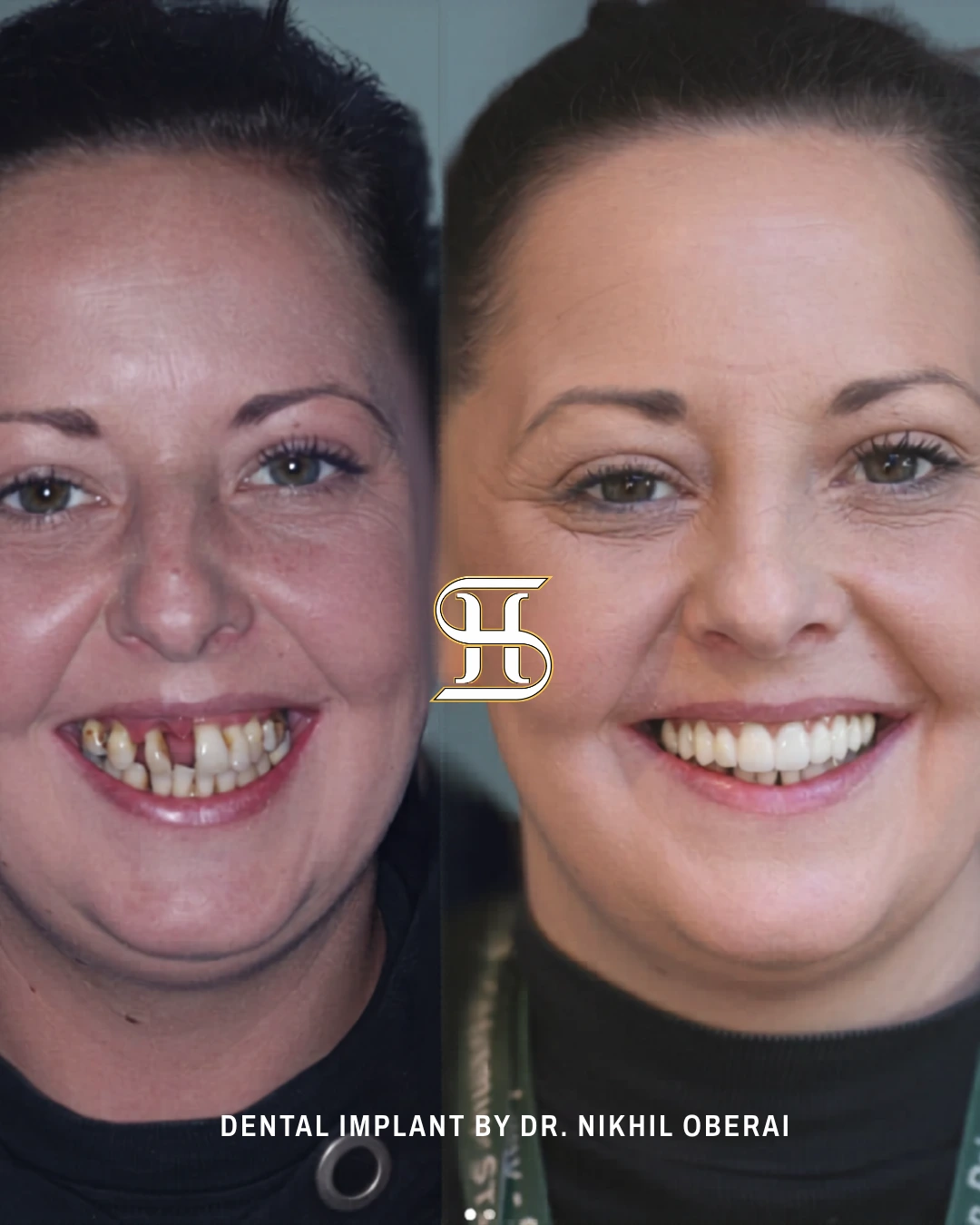
- Bridge
Is a Bridge or an Implant Better for Me?
Both are effective solutions for missing teeth and the right choice depends on your clinical situation, the health of your adjacent teeth, and your personal preferences. A dental bridge is often the faster option and is suitable for patients who want a fixed result without implant surgery. A dental implant preserves the surrounding teeth completely and also maintains the bone in the jaw where the tooth was lost.
At your consultation, your clinician will give you an honest assessment of both options with a clear explanation of the clinical case for each. There is no pressure to choose one over the other until you are confident in your decision.
- Patient Testimonial
Patients Who Came to Us When Others Said It Could Not Be Done
“I was referred to Dr Nik by my own dentist who was honest enough to say that my case was beyond what he was comfortable placing himself. That honesty meant a lot, and Dr Nik more than justified the referral. The treatment was thorough, well planned, and the result has been excellent.”
- Dental Finance
How Much Does a Dental Bridge Cost in Cheshire?
Bridge costs depend on the number of units in the bridge, the material used, and the complexity of the case. All costs are confirmed in writing at your consultation before any treatment begins. For a full breakdown of our fees, visit our dental fees page.
Finance options are available through Tabeo Finance Ltd to spread the cost over monthly payments. Finance is subject to status.
- Register with us
Register with Heritage Smile Group. 2 Locations Across Cheshire
We are actively welcoming new patients at both Heritage Smile Group practices in Cheshire. Whether you are new to the area and need to register with a dentist, looking for a higher standard of care than you have been receiving, or have a specific treatment in mind that your current practice does not offer, we would be genuinely glad to welcome you.
When you join us as a new patient, here is what you can expect:
- Full new patient examination including x-rays
- Written treatment plan with itemised costs
- No pressure to commit on the day
- Examination fee waived if you join our practice plan
- Free consultations for implants and Invisalign
Both practices welcome adults and children, new arrivals to the area, and patients who simply want a reliable local dentist they can trust.
- Frequently Asked Questions
Frequently Asked Questions About Dental Bridges
How long does a dental bridge last?
A well-made dental bridge that is properly maintained typically lasts between ten and fifteen years, and often longer. The longevity of the bridge depends on the health of the supporting teeth and gums, the quality of home care, and regular check-up attendance. Your clinician will monitor the bridge at every check-up appointment.
Does having a bridge fitted hurt?
The preparation appointment is carried out under local anaesthetic and should be comfortable throughout. Some sensitivity around the prepared teeth is normal for a few days after the appointment. The fitting appointment involves no drilling and is typically straightforward.
Will my bridge look natural?
Yes. Bridges at Heritage Smile Group are custom-made from ceramic or porcelain-fused materials and shaded precisely to match your surrounding teeth. In most cases, the restoration is indistinguishable from the natural teeth around it.
Can a bridge replace more than one tooth?
Yes. A bridge can replace two or even three consecutive missing teeth, though longer spans require more careful assessment to ensure the supporting teeth can bear the additional load. Your clinician will advise on the most appropriate solution for the number and position of the missing teeth.
Do I need to do anything differently to care for a bridge?
Daily brushing remains the same. The additional step is cleaning beneath the pontic using dental floss threaded under the bridge or a specialist interdental brush. This keeps the gum tissue beneath the bridge healthy and prevents decay forming on the supporting teeth. The team will demonstrate the correct technique at your fitting appointment.