
Dental Crowns in Cheshire
Protect a damaged or weakened tooth with a custom-made crown that fits over the whole tooth, restoring its strength, function, and appearance in a way that looks and feels completely natural.
- Custom-Made Ceramic Crowns
- Natural-Looking Results
- Protect and Strengthen Damaged Teeth
- Clinics in Wilmslow and Northwich
What Is a Dental Crown?
A dental crown is a custom-made restoration that fits over the entire visible portion of a tooth, from the gumline upward. It is used when a tooth has been damaged to a degree where a conventional filling is no longer sufficient to restore it properly.
Crowns are used for a range of clinical situations: a tooth that has cracked or fractured, a tooth that has been significantly weakened by a large filling, a tooth following root canal treatment, or a discoloured or misshapen tooth that a patient wants to improve aesthetically. In all these cases, the crown covers, protects, and strengthens the remaining tooth structure while restoring the natural look and function of the tooth.
At Heritage Smile Group, crowns are custom-made in a dental laboratory from high-quality materials and are shaded precisely to match the surrounding teeth. The result is a restoration that blends naturally into your smile and is designed to last for many years with the right care.
When Is a Crown Recommended?
- A Cracked or Fractured Tooth A tooth that has cracked, whether from trauma, biting on something hard, or the stresses that build up around a large filling over time, is at risk of splitting further without protection. A crown holds the tooth together, prevents the crack from extending, and restores full biting function.
- A Heavily Filled Tooth When a large proportion of a tooth has been replaced by filling material, the remaining tooth structure can become brittle and prone to fracture. A crown distributes biting forces across the whole tooth rather than concentrating them at the edges of the filling.
- Following Root Canal Treatment A tooth that has had root canal treatment is more susceptible to fracture because the internal structure has been altered. A crown is usually recommended after root canal treatment on back teeth to protect the tooth and ensure it remains functional long-term.
- A Severely Worn Tooth Teeth that have worn significantly through grinding (bruxism) or acid erosion can be restored with crowns to rebuild the height, shape, and function of the tooth. This is often carried out as part of a wider restorative treatment plan.
- Cosmetic Improvement Where a tooth is significantly discoloured, misshapen, or damaged in a way that affects the appearance of the smile and cannot be adequately addressed by composite bonding or veneers, a crown may be the most appropriate solution. Your clinician will always explore the most conservative option first.
Crown Materials
Full Ceramic (Zirconia or Lithium Disilicate)
The material we use as standard for most crown cases. Full ceramic crowns have no metal substructure and transmit light in a way that is very close to natural tooth enamel, making them the most aesthetically natural option available. Zirconia in particular is highly durable and is well-suited to posterior (back) teeth where biting forces are greatest.
Porcelain-Fused-to-Metal
A ceramic outer layer is bonded to a metal substructure, providing good aesthetics with the strength of a metal core. This has historically been a very common crown type. Modern full ceramic materials have largely replaced it for most applications due to the superior aesthetics of all-ceramic restorations.
Gold Alloy
Used in specific clinical situations where maximum strength and minimal material thickness are required, typically on back teeth where aesthetics are less of a concern. Gold crowns are highly durable and biocompatible and remain a clinically valid option where indicated.
The Crown Treatment Process
- Consultation and Treatment Planning The clinician examines the tooth, reviews relevant x-rays, and confirms whether a crown is the most appropriate restoration. All options are explained and a written treatment plan with full costs is provided.
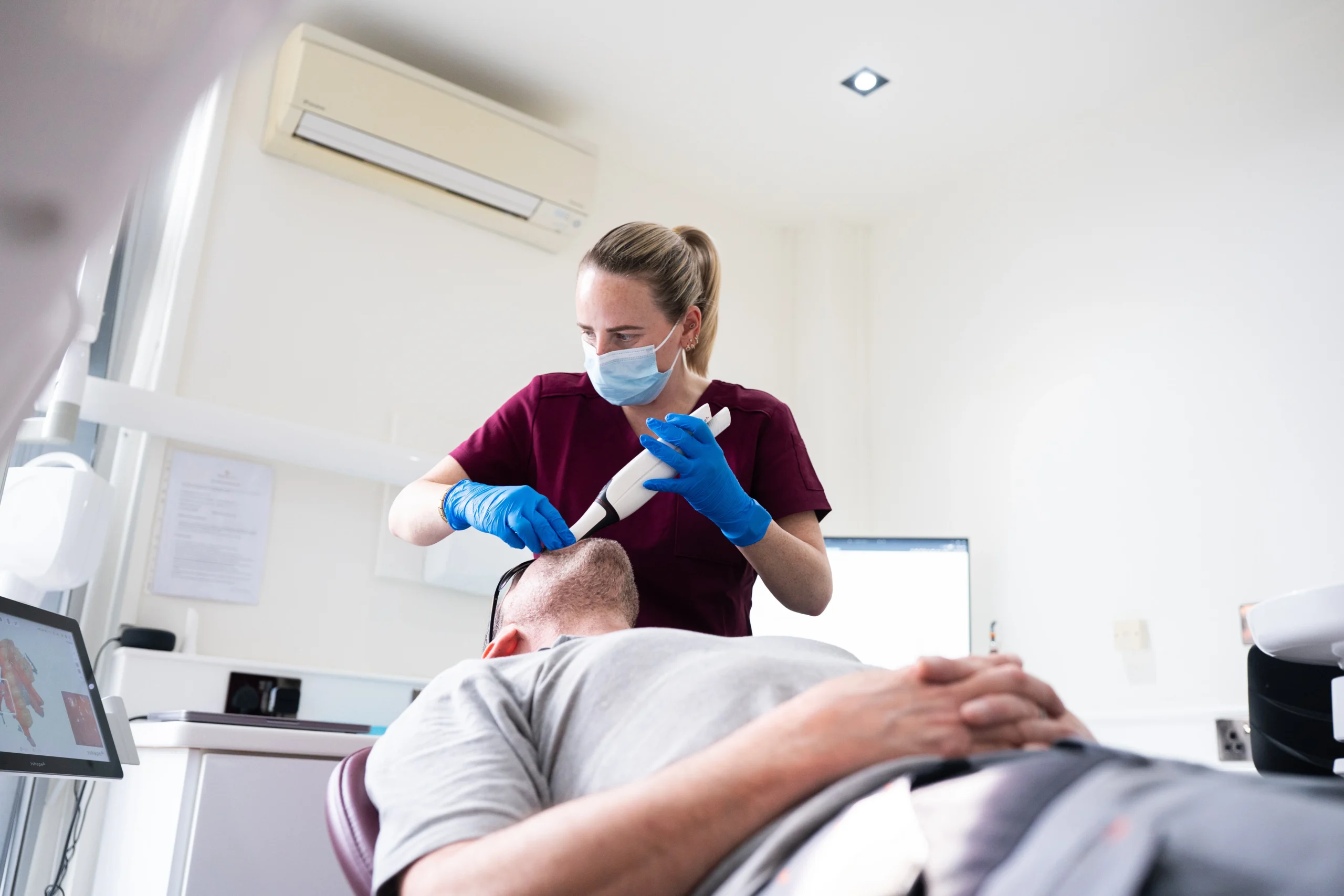
- Tooth Preparation The tooth is shaped under local anaesthetic to create space for the crown to fit over it. The amount of tooth removed depends on the material being used. A digital scan or traditional impression is taken and sent to the dental laboratory.
- Temporary Crown A temporary crown is fitted to protect the prepared tooth while the permanent restoration is being made. This typically takes one to two weeks.
- Fitting the Permanent Crown The temporary crown is removed and the permanent crown is checked for fit, shade, and bite before being permanently cemented. Minor adjustments are made where needed. The clinician will confirm you are happy with the result before cementing.
Aftercare Crowned teeth are maintained in exactly the same way as natural teeth. Brushing twice daily, cleaning between the teeth, and attending regular check-up appointments will protect both the crown and the tooth beneath it. The margin between the crown and the gumline requires particular attention to prevent decay forming at the junction.
Not Sure Which Treatment Is Right for You?
Make an Enquiry
#SmileWall
- Patient Testimonial
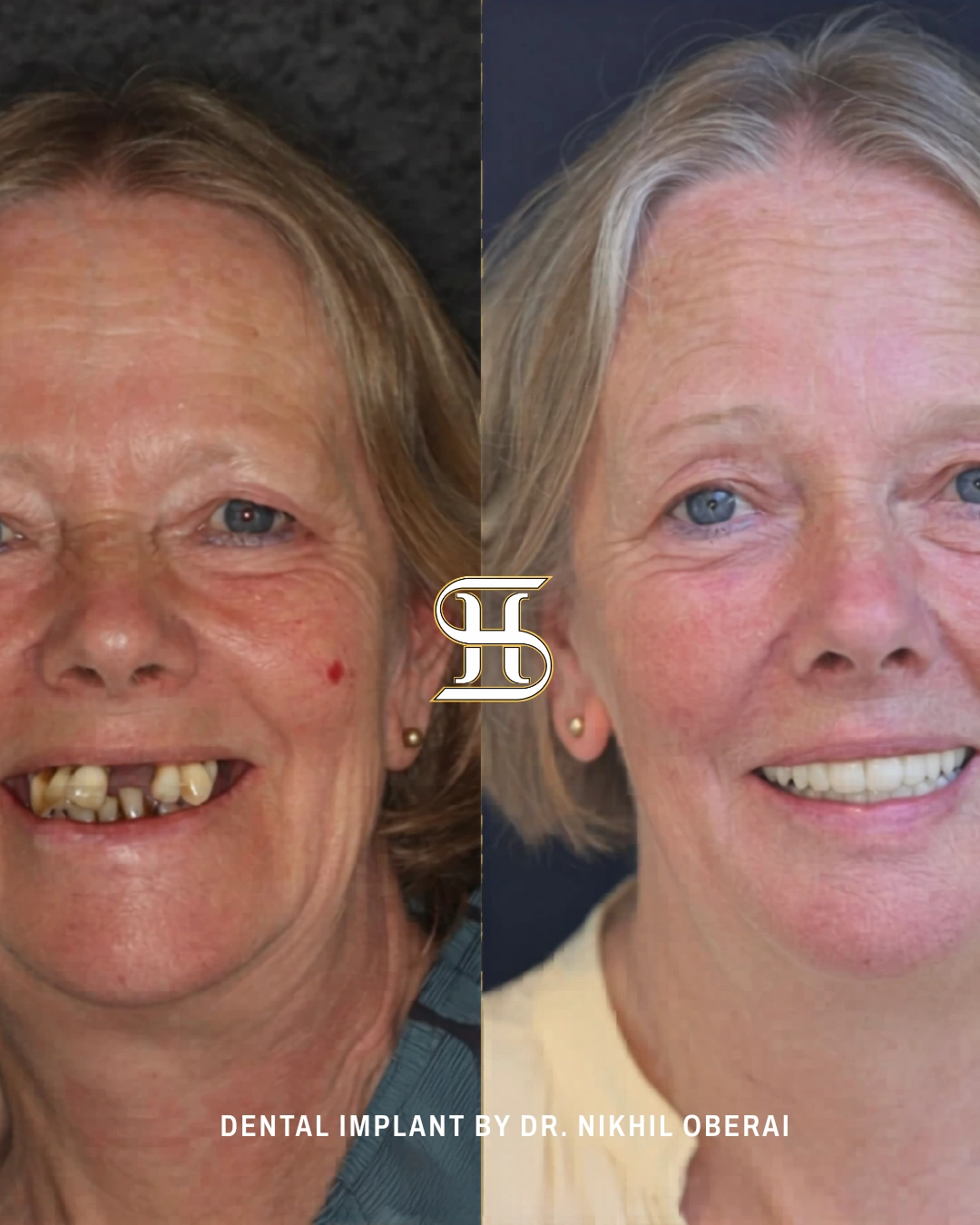
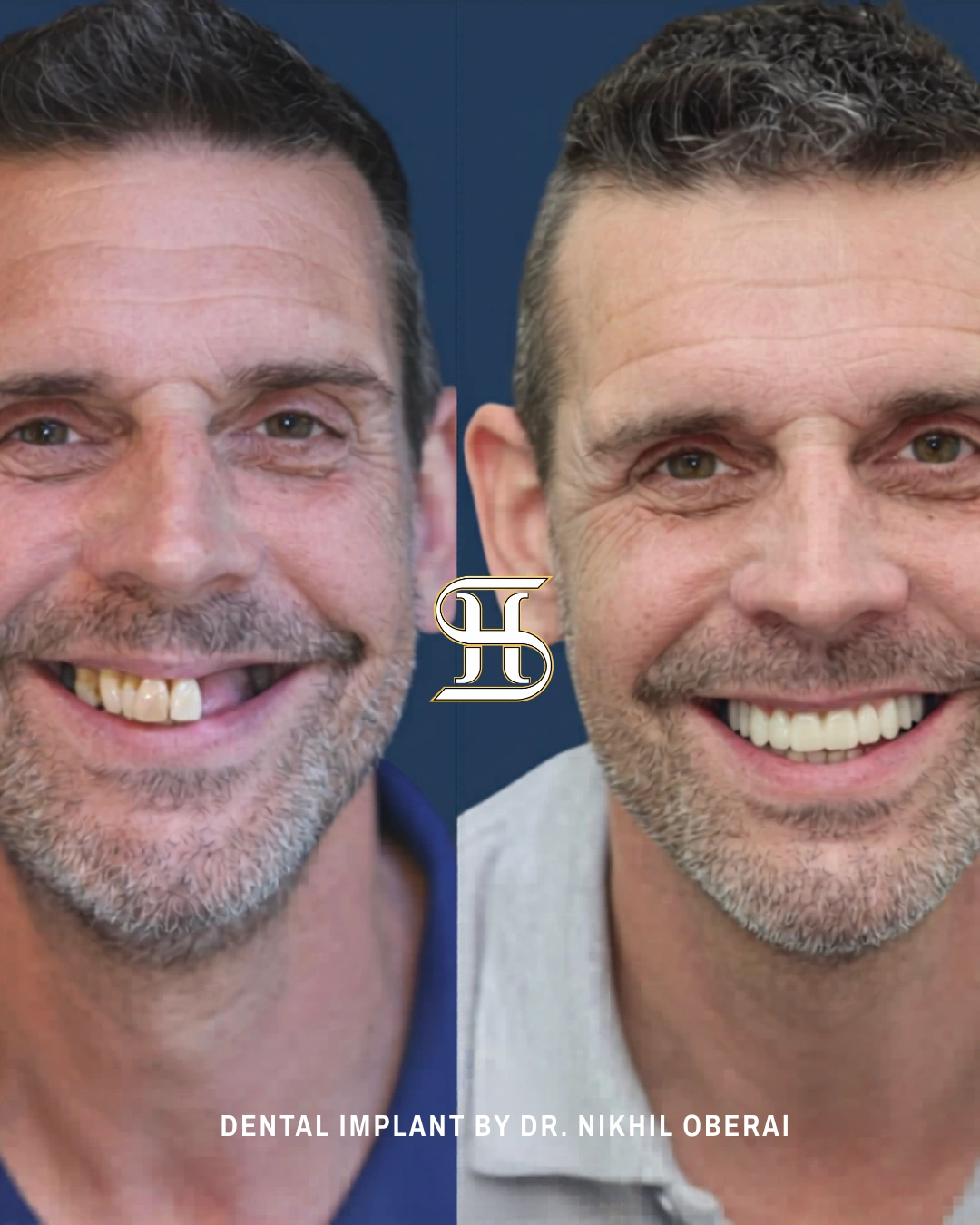
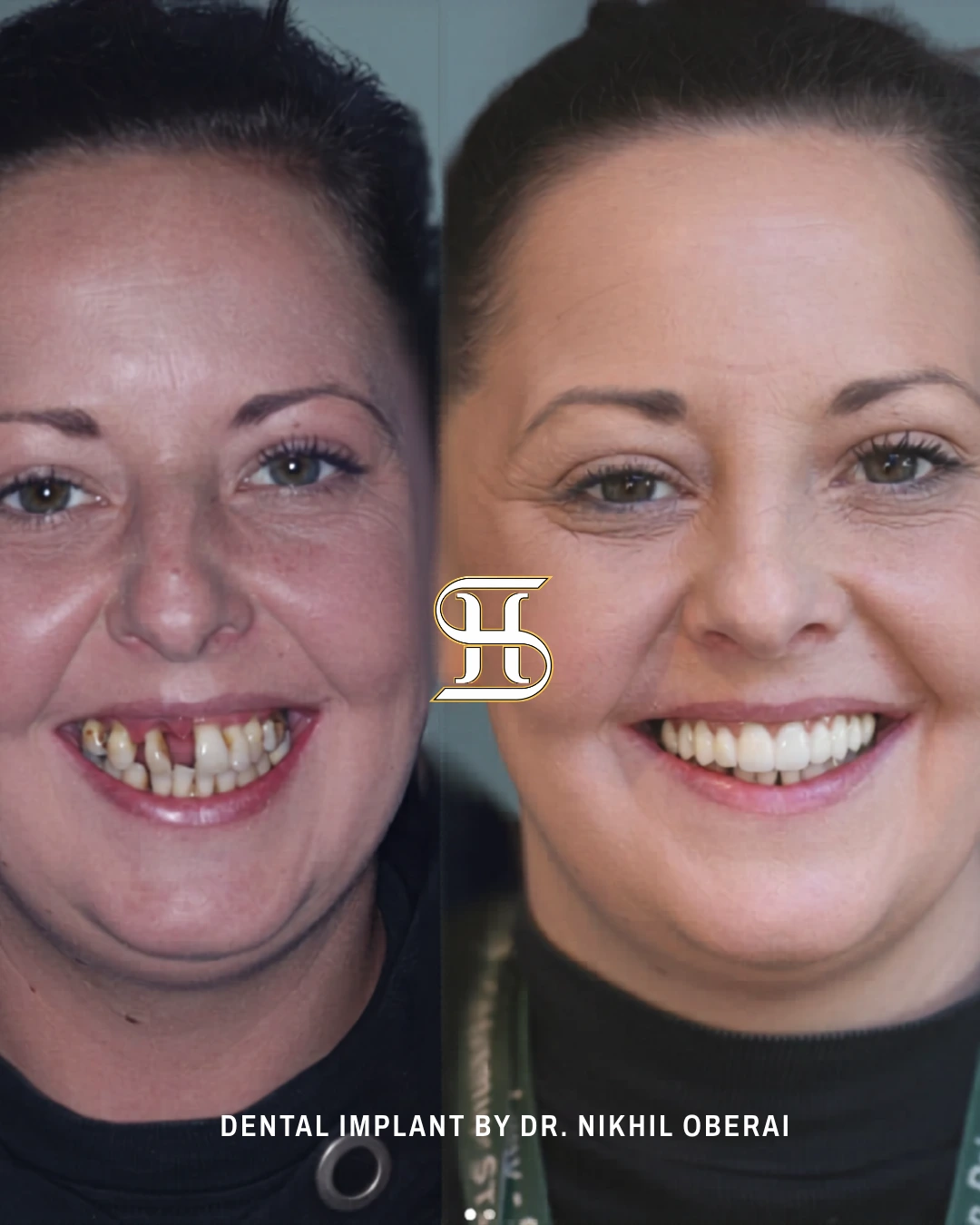
Patients Who Came to Us When Others Said It Could Not Be Done
“I was referred to Dr Nik by my own dentist who was honest enough to say that my case was beyond what he was comfortable placing himself. That honesty meant a lot, and Dr Nik more than justified the referral. The treatment was thorough, well planned, and the result has been excellent.”
- Dental Finance
How Much Does a Crown Cost in Cheshire?
Crown costs vary depending on the material used and the complexity of the case. Fees are confirmed in writing before treatment begins. For a full breakdown visit our dental fees page. Finance is available through Tabeo Finance Ltd on eligible treatment plans, subject to status.
- Register with us
Register with Heritage Smile Group. 2 Locations Across Cheshire
We are actively welcoming new patients at both Heritage Smile Group practices in Cheshire. Whether you are new to the area and need to register with a dentist, looking for a higher standard of care than you have been receiving, or have a specific treatment in mind that your current practice does not offer, we would be genuinely glad to welcome you.
When you join us as a new patient, here is what you can expect:
- Full new patient examination including x-rays
- Written treatment plan with itemised costs
- No pressure to commit on the day
- Examination fee waived if you join our practice plan
- Free consultations for implants and Invisalign
Both practices welcome adults and children, new arrivals to the area, and patients who simply want a reliable local dentist they can trust.
- Frequently Asked Questions
Frequently Asked Questions About Dental Crowns
How long do dental crowns last?
A well-made dental crown with good home care typically lasts between ten and twenty years. Longevity depends on the material, the location of the tooth in the mouth, and the quality of daily oral hygiene. The crown is monitored at every check-up appointment and your clinician will advise if it needs replacing.
Does getting a crown hurt?
The preparation appointment is carried out under local anaesthetic and should be comfortable throughout. Some sensitivity around the tooth for a few days after preparation is normal and settles on its own. The fitting appointment requires no drilling and is typically very straightforward.
Will my crown look like a natural tooth?
Full ceramic crowns in particular are made to closely replicate the translucency and colour of natural tooth enamel. At your preparation appointment, your clinician takes detailed shade records so the laboratory can match the crown precisely to the surrounding teeth. In most cases the restoration is indistinguishable.
Can a crown fall off?
It is uncommon but possible, particularly with older crowns where the cement has degraded. If a crown comes loose or falls off, contact the practice as soon as possible. Keep the crown safely and bring it with you to the appointment. The clinician will assess whether it can be recemented or whether a new crown is needed.
Is a crown the same as a cap?
Yes. Crown and cap are different words for the same restoration. A crown covers the entire visible surface of the tooth from the gumline up. The term cap is the informal name for the same thing and you will likely encounter both terms.